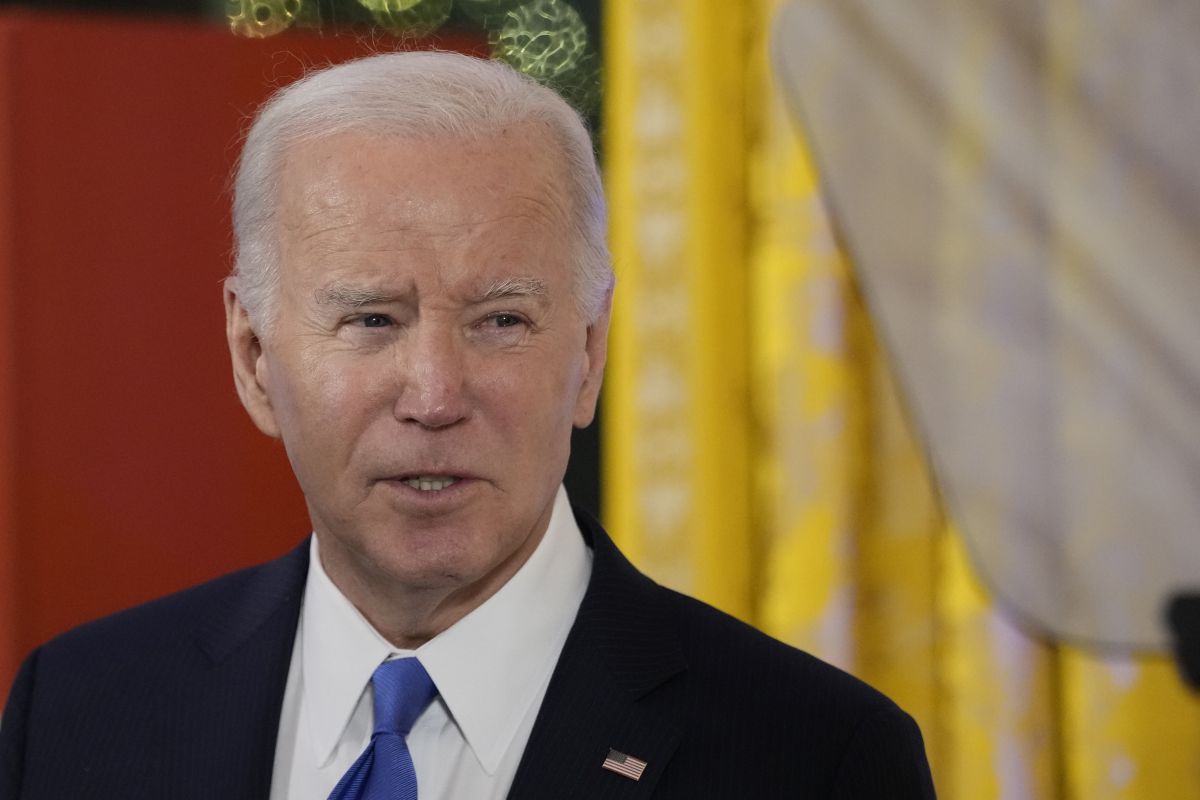

Fact-checking Joe Biden on the creation of 800,000 manufacturing jobs
If your time is short
-
Official federal data shows President Joe Biden, in office 45 months, is right on the number of manufacturing jobs created, although presidents do not control the economy single-handedly.
-
The first three-quarters of those job gains represented a return to pre-recession levels.
-
Comparing historical patterns 45 months out from a recession’s onset reveals Biden-era manufacturing employment to be the strongest in 72 years, and the second strongest since the end of World War II.
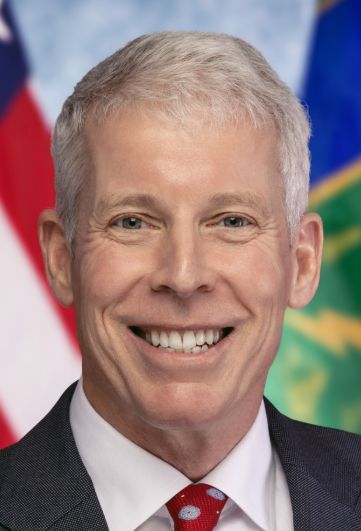
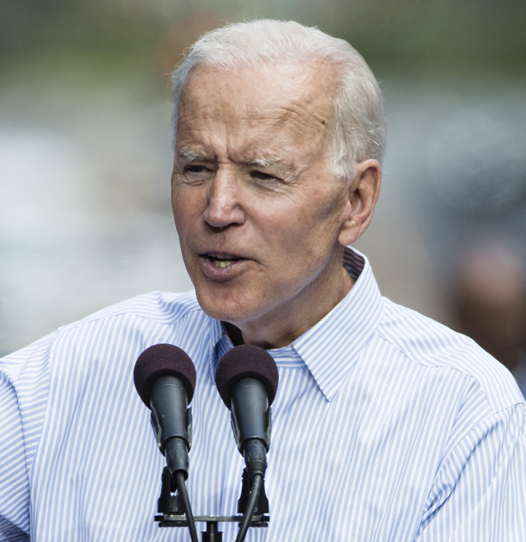
President Joe Biden took a recent victory lap on social media, touting the number of manufacturing jobs created on his watch.
“We’ve created close to 800,000 manufacturing jobs since I’ve taken office,” Biden said Dec. 5 on X, formerly Twitter.
An X community note cast doubt on the claim, saying that although Biden’s jobs figure was “factually correct,” the president failed to note that the current total is only 175,000 higher than the February 2020 peak “from before COVID-19 forced layoffs.”
“It’s more accurate,” the community note said, “to say 589k manufacturing jobs were recovered and 175k created.”
We dug into it and found Biden’s figures are accurate. And although pre-pandemic numbers are worth examining, historical data show that doing so gives Biden something to celebrate.
Official statistics from the federal Bureau of Labor Statistics show that manufacturing employment has risen by 789,000 since Biden took office in January 2021. That qualifies as “close to 800,000.”
The first three-quarters of those job gains represented a return to pre-recession levels. But historical post-recession patterns show that it’s rare for manufacturing jobs to bounce back at all.
We analyzed the federal government’s official data for manufacturing employment as far back as it goes — to the eve of World War II. We focused on two numbers: how many people were employed in manufacturing at the beginning of a recession and how many people were employed in the field 45 months later — the same amount of time that has passed since Biden took office.
The U.S. economy has had 13 recessions in the past 80-plus years. Forty-five months after nine of those recessions began, manufacturing employment remained below their initial levels. After 45 months passed in the remaining four recessions, manufacturing employment exceeded their initial levels.
Of those four recessions that produced net manufacturing job gains after 45 months, the one underway during Biden’s presidency ranks as the second-largest percentage gain, a 1.6% increase. The only manufacturing jobs recovery through 45 months that beats the current one was a recession that started in 1948, with a 6.9% increase.
In other words, the nation’s current manufacturing jobs rebound is the strongest at this point after a recession in 72 years.
Presidents Dwight Eisenhower, John F. Kennedy, Jimmy Carter, Ronald Reagan, Bill Clinton, George W. Bush, and Barack Obama were all in office 45 months after a recession began, and they did not see manufacturing jobs bounce back even to their initial levels, much less add manufacturing jobs on net. Reagan, Bush, and Obama all saw declines of 9.9% to 15.7%.
Brookings Institution economist Gary Burtless said the historical trend reveals “an even greater — that is, even rarer — achievement than suggested by the president’s own statement.”
We should note that presidents never deserve all the credit or all the blame for the country’s economic performance. The economy is bigger than one political figure, and it’s shaped by factors outside a president’s control — from technological gains to oil price vagaries to, most recently, the recession-triggering coronavirus pandemic.
Nevertheless, a president’s policy agenda can boost job creation — and Biden has pushed for and signed several bills to bolster manufacturing, notably the Bipartisan Infrastructure Law, the CHIPS and Science Act, and the Inflation Reduction Act.
“There was no reason to think we would see anything like the increase we actually did without Biden’s policies,” said Dean Baker, co-founder of the liberal Center for Economic and Policy Analysis.
Douglas Holtz-Eakin, president of the center-right American Action Forum, said the likelihood of a post-recession rebound in manufacturing jobs varies by era. From the 1940s to the late 1970s, U.S. manufacturing was generally expanding; this period accounted for three of the four examples of post-recession increases.
Since the late 1970s, manufacturing employment has generally fallen, both in absolute terms and as a share of U.S. employment.
That manufacturing employment registered a post-recession increase during the current period, when such employment is far below its historical peak, makes the Biden administration achievement especially impressive, Holtz-Eakin said.
“Given the environment Biden’s in, manufacturing has done well,” he said.
Our ruling
Biden said, “We’ve created close to 800,000 manufacturing jobs since I’ve taken office.”
Federal data shows that manufacturing employment has increased by 789,000 since Biden took office in January 2021, though presidents do not control the economy single-handedly.
The first three-quarters of those jobs represent a return to previous manufacturing employment levels, but history shows that is rare.
The post-recession gains in manufacturing employment under Biden have been the strongest in 72 years, and the second strongest since World War II.
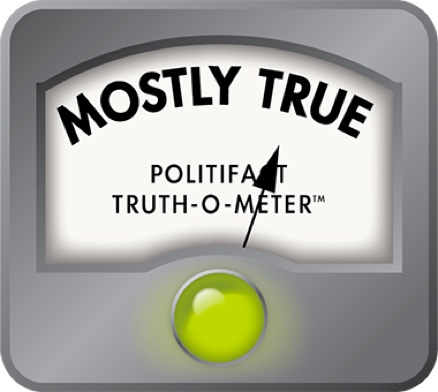
We rate Biden’s statement Mostly True.
Our Sources
Joe Biden, X post, Dec. 5, 2023
Federal Reserve Bank of St. Louis, manufacturing employment, accessed Dec. 11, 2023
Email interview with Gary Burtless, Brookings Institution senior fellow, Dec. 11, 2023
Email interview with Dean Baker, Center for Economic and Policy Analysis co-founder, Dec. 11, 2023
Interview with Douglas Holtz-Eakin, American Action Forum president, Dec. 12, 2023