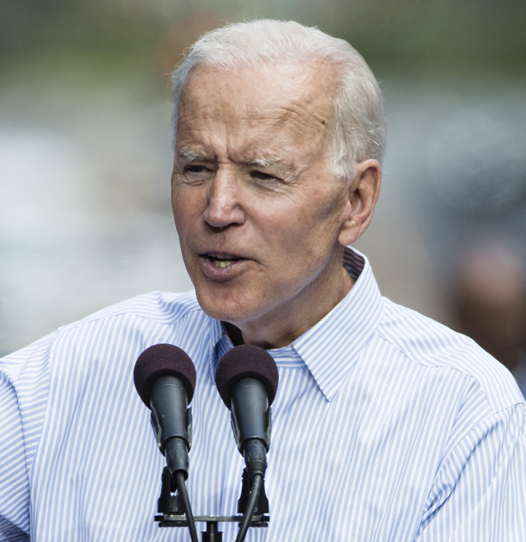
“I, all the way back in January, warned (President Trump that) this pandemic was coming. I talked about what we needed to do.”

What Joe Biden said about the coronavirus in January
If your time is short
• Biden expressed concern about the coronavirus weeks before Trump did, and as early as January, he recommended following the Obama administration’s approach on Ebola, including international cooperation and the use of sound science.
• In a January op-ed, Biden referred to "the possibility of a pandemic" and said the number of cases would increase, though he was not more specific on timing or steps to counteract the virus.
• Biden offered his first detailed plan on March 12, the day after the World Health Organization declared COVID-19 a pandemic.
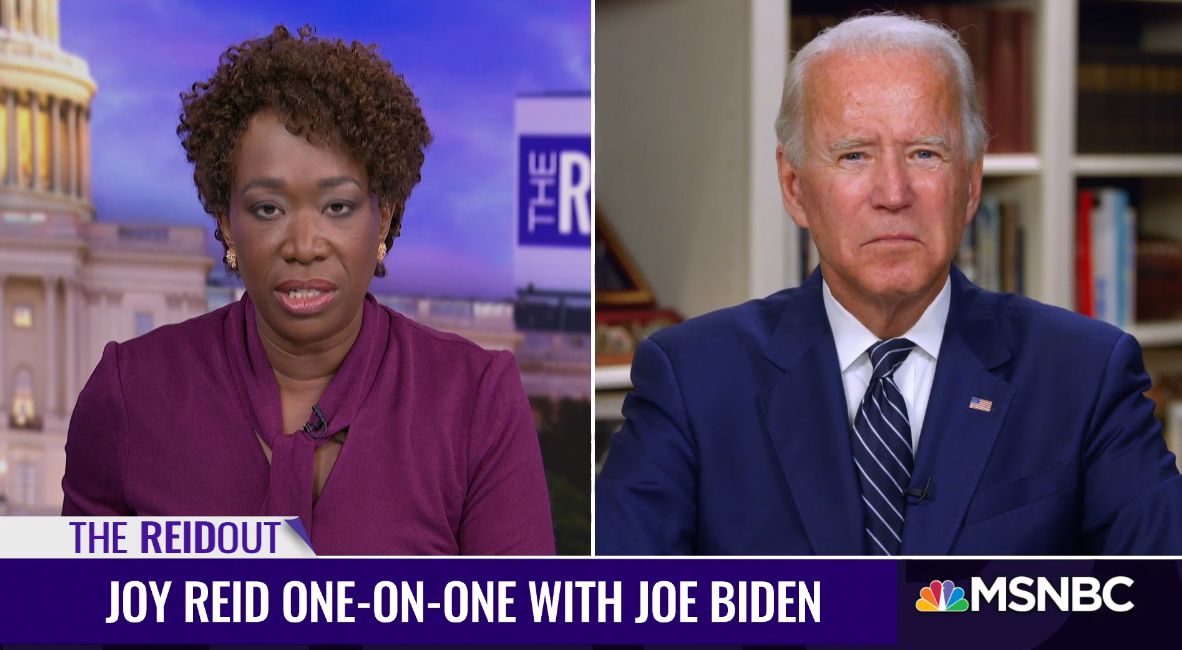
When presumptive Democratic presidential nominee Joe Biden appeared on the July 20 premiere of Joy Reid’s MSNBC show, “The ReidOut,” he repeated an assertion about how he was more aware of the risks of the novel coronavirus early on than his opponent, President Donald Trump.
Referring to Trump, Biden said, “I, all the way back in January, warned him this pandemic was coming. I talked about what we needed to do.”
Other news outlets have previously fact-checked similar assertions by Biden, but we’ll take a crack at his newest remark on Reid’s show.
We found that Biden did warn about a potential pandemic as long ago as January, and talked about some steps the administration should take. A fuller, detailed plan came weeks later.
The USA Today op-ed
Biden’s primary warning about the coronavirus came in a USA Today op-ed he published on Jan. 27, which was six days after the first coronavirus case in the United States was announced.
Here are the op-ed’s key passages about the novel coronavirus:
“The possibility of a pandemic is a challenge Donald Trump is unqualified to handle as president. … The outbreak of a new coronavirus, which has already infected more than 2,700 people and killed over 80 in China, will get worse before it gets better. Cases have been confirmed in a dozen countries, with at least five in the United States. There will likely be more. … To be blunt, I am concerned that the Trump administration’s shortsighted policies have left us unprepared for a dangerous epidemic that will come sooner or later.”
While Biden told Reid that he had “warned” Trump that “this pandemic was coming,” his January op-ed did not word it so definitively. In the op-ed, Biden referred to “the possibility of a pandemic” and he said one “will come sooner or later.”
The World Health Organization did not declare a pandemic until March 11. Trump was tweeting as late as Feb. 24 that the coronavirus “is very much under control in the USA.”
Still, Biden’s wording in the Reid interview suggested that his warnings were more definitive than they were.
His comment to Reid that he “talked about what we needed to do” as far back as January was more big picture than specific.
Much of the op-ed set forth the ways in which the Obama administration, which Biden served as vice president, handled the 2014 Ebola virus outbreak, including marshaling a cooperative international response and relying on sound science for decision-making. Biden contrasted the Obama playbook with the ways that Trump, then a private citizen, “sought to stoke fear and stigma” about Ebola.
International cooperation and a reliance on science are big-picture elements of fighting a disease outbreak in its early stages. Biden also wrote in the op-ed that, as president, he would “ask Congress to beef up the Public Health Emergency Fund and give me the power to use the Stafford Disaster Relief and Emergency Assistance Act to declare a disaster if an infectious disease threat merits it. I will also renew funding — set to expire in May — for the nationwide network of hospitals that can isolate and treat people with infectious diseases, and fully fund the Global Health Security Agenda so the world is ready for the next outbreak.”
Beyond that, Biden did not offer much specificity for battling the coronavirus in January, when public-health officials around the world were just beginning to grasp the nature of the virus and the steps that would be required to contain it.
In the U.S., public-health officials were beginning to contemplate the potential need for extensive social-distancing measures in February and early March. Biden held an in-person rally in Detroit as late as March 9 before canceling a rally for the first time on March 10. The following day, the NBA abruptly suspended its season, triggering a cascade of cancellations of events and gatherings around the country.
On March 12, Biden offered a more detailed plan. In remarks posted on Medium, Biden thanked those “who are already making sacrifices to protect us — whether that’s self-quarantining or cancelling events or closing campuses.”
He went on to say that fighting the coronavirus “will mean making some radical changes to our personal behaviors: more frequent and more through handwashing and staying home from work if you are ill, but also altering some deeply ingrained habits, like handshakes and hugs, and avoiding large public gatherings.”
Biden also urged free testing for everyone who needs it; making sure communities have the hospital beds, staff, medical supplies and personal protective equipment needed to treat patients; efforts by the Federal Emergency Management Agency and the Defense Department to provide temporary hospitals; and fast-tracking of vaccine clinical trials by the National Institutes of Health and approvals by the Food and Drug Administration.
Biden’s plan came four days before the White House issued recommendations that senior citizens and people with serious health concerns should stay home, initially for 15 days.
The White House formally declared a national emergency on March 13.
Biden’s campaign told PolitiFact that an op-ed was not the venue to flesh out a full plan; it was intended more as an outline.
Our ruling
Biden said, “I, all the way back in January, warned (President Trump that) this pandemic was coming. I talked about what we needed to do.”
Biden expressed concern about the coronavirus weeks before Trump did, and he recommended the Obama approach on Ebola, including international cooperation and the use of sound science, in January. He warned of the possibility of a pandemic several weeks before the WHO declared one, and predicted that there would be more cases in the U.S.
But while he spoke broadly in January about how the U.S. should approach the crisis, he did not offer a detailed plan until March 12, a day after the WHO declaration.
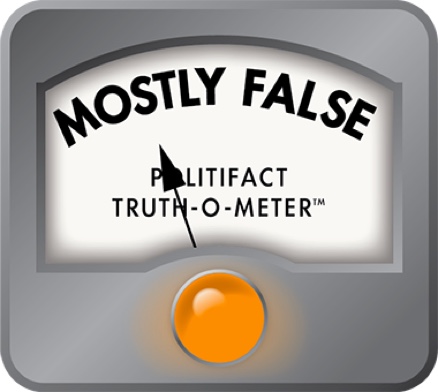
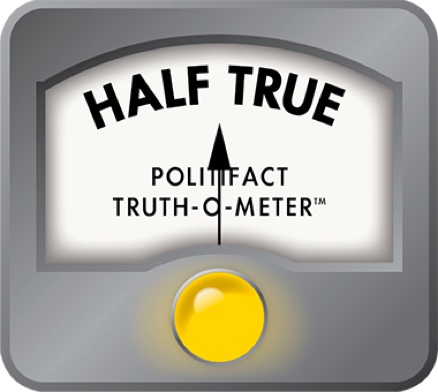
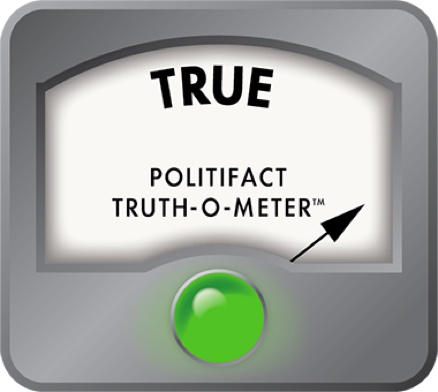
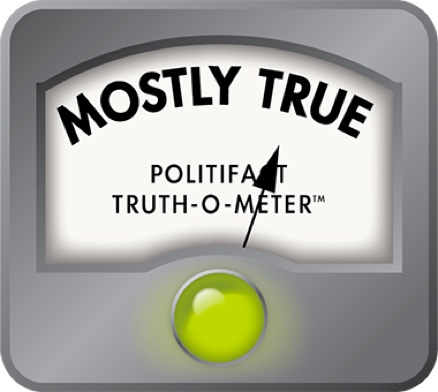
We rate the statement Mostly True.
Our Sources
Joe Biden, remarks to Joy Reid, July 20, 2020 (accessed via Nexis)
Joe Biden, "Trump is worst possible leader to deal with coronavirus outbreak" (USA Today op-ed), Jan. 27, 2020
Joe Biden, "Remarks as Prepared for Delivery by Vice President Joe Biden on Combating Coronavirus (COVID-19)" (Medium post), March 12, 2020
Donald Trump, tweet, Feb. 24, 2020
White House, "15 Days to Slow the Spread," March 16, 2020
CBS News, "A timeline of what Trump has said on coronavirus," accessed July 22, 2020
American Journal of Managed Care, "A Timeline of COVID-19 Developments in 2020," accessed July 22, 2020
Washington Post Fact Checker, "How specific were Biden’s recommendations on the coronavirus?" June 4, 2020
The Dispatch, "Was Joe Biden Warning About Coronavirus Back in January? Yes, but he also continued holding events until March 10," June 2, 2020