Do 160 million Americans really like their health plans? Kind of
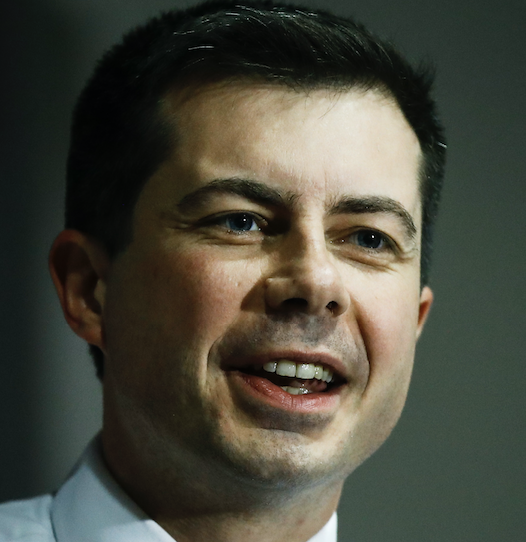
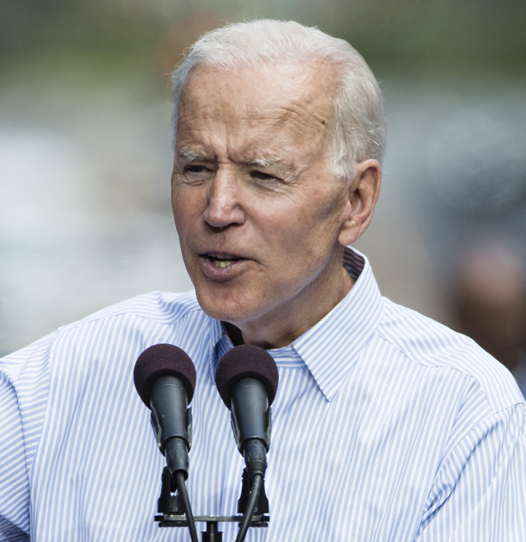
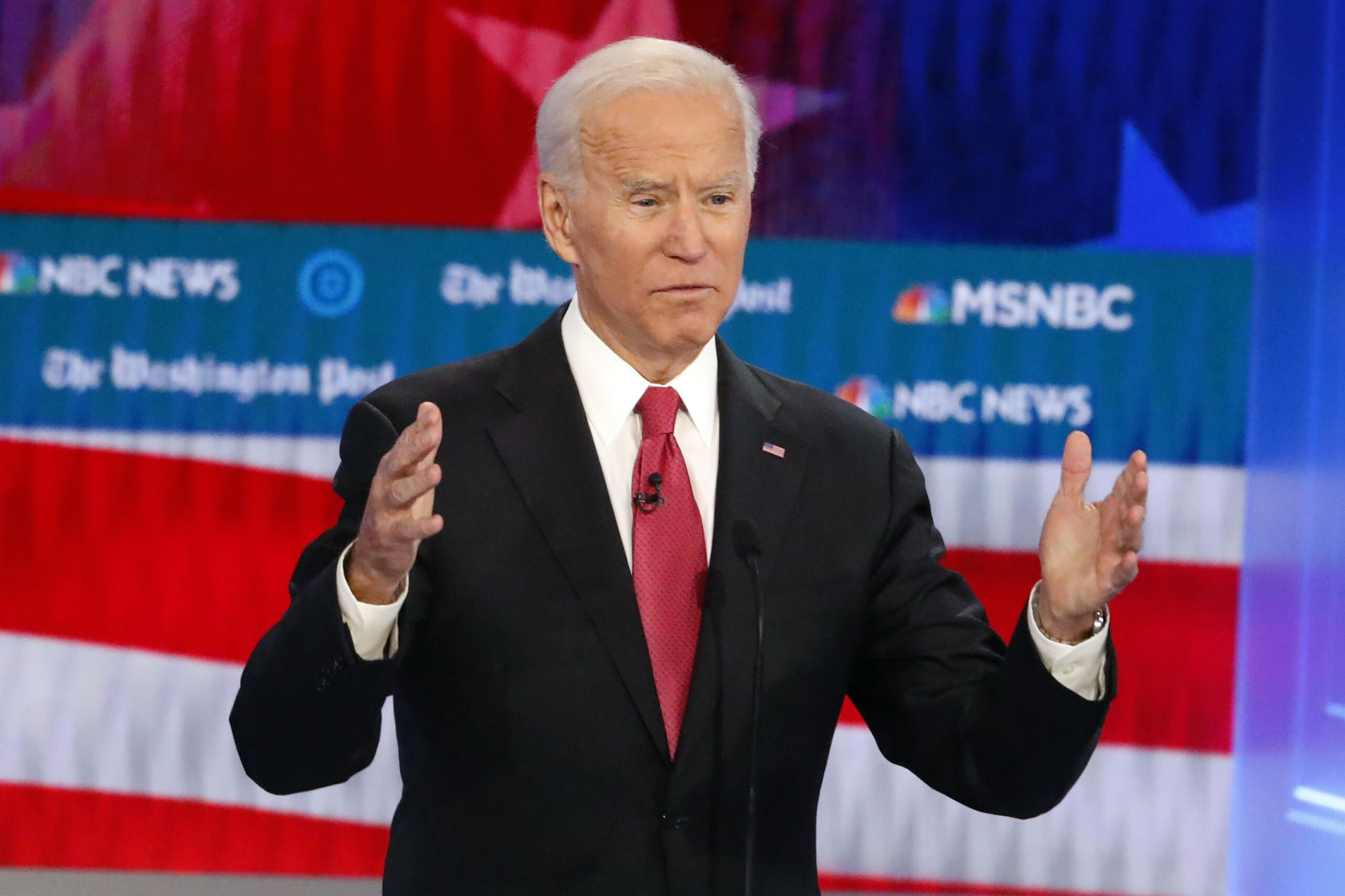
Articulating his proposal for health care reform, former Vice President Joe Biden emphasized the number of Americans who, he said, were more than perfectly satisfied with the coverage they have.
“160 million people like their private insurance,” Biden said during the November Democratic presidential primary debate.
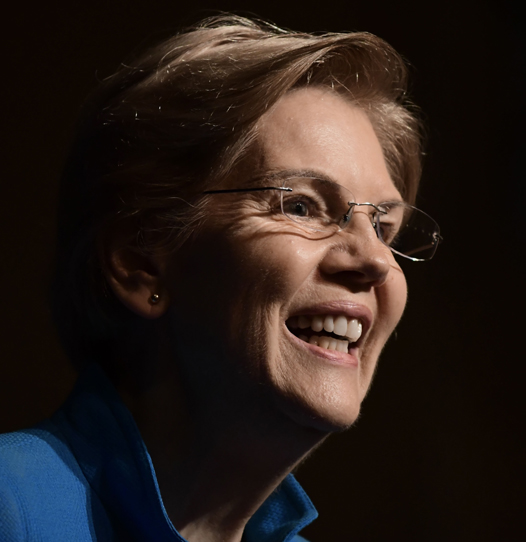
That argument is at the heart of many moderate Democrats’ criticism of the “Medicare for All” proposal backed by Sens. Bernie Sanders, I-Vt., and Elizabeth Warren, D-Mass.. We decided to take a closer look.
We reached out to the Biden campaign for comment. The campaign directed us to his next point — that people who don’t like their private coverage could, under his health plan, opt into government-sponsored coverage.
160 million, and some squishy polling
The figure appears to refer to the number of Americans who receive health benefits through work — so-called “employer-sponsored health insurance.” Under Medicare for All, that would no longer be an option.
On first blush, polling seems to suggest that most people with employer-sponsored coverage like it.
Polling done earlier this year by the Kaiser Family Foundation with the Los Angeles Times found that most beneficiaries are “generally satisfied” with this insurance. (Kaiser Health News is an editorially independent program of the foundation.)
But that doesn’t get at the whole story.
“Most like their policy, but not all,” said Robert Blendon, a health care pollster at Harvard T.H. Chan School of Public Health.
The context matters.
In the same KFF/L.A. Times poll, about 40% of people with employer-sponsored coverage said they had trouble paying medical bills, out-of-pocket costs or premiums. About half indicated going without or delaying health care because — even with this coverage — it was unaffordable. And about 17% reported making “difficult sacrifices” to pay for health care.
Beneficiaries who have higher deductible plans — that is, they are required to pay larger sums of out-of-pocket before health coverage kicks in — are less likely to be happy with their coverage, and more likely to report problems paying for health care.
And it’s worth noting that these high-deductible plans have grown increasingly common, even for the 160 million Americans who get insurance from work, though that trend may now be losing steam. Research from the Commonwealth Fund, meanwhile, notes that increasing numbers of “underinsured” people do in fact have employer-sponsored health insurance. Underinsured people are those who have coverage but delay care because they still can’t afford it.
Meanwhile, other polling, such as a January Gallup survey, suggests that about 7 in 10 Americans believe the nation’s health care system is in crisis.
So while Americans may individually not express frustration with their specific private plans, more are learning that, when they try to actually use that coverage, it doesn’t meet their health needs.
These findings cast significant shade on the idea that all 160 million Americans with employer-sponsored coverage actually like it.
Our ruling
Biden argued that “160 million people like their private insurance.”
A cursory look at polling would suggest that most of the people he’s talking about — Americans who get coverage through work — are happy with their plans.
But once you dig a little deeper, that narrative gets more complicated. Even while Americans say they like their plans, large proportions indicate that the private coverage they have still leaves meaningful gaps, requiring them to skip or delay health care because they cannot afford it.
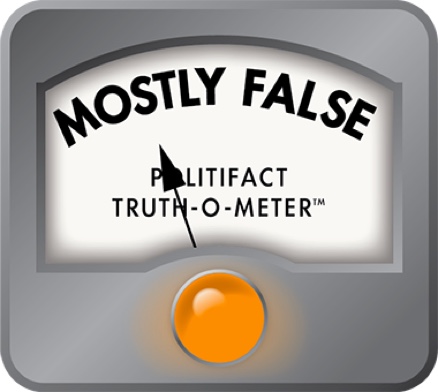
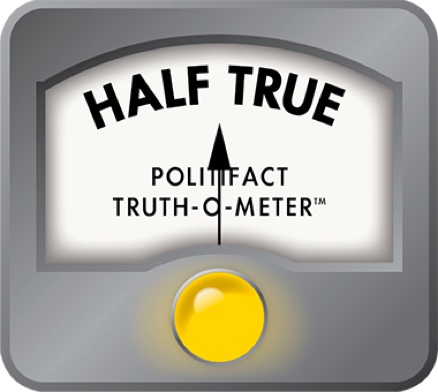
Biden’s argument is technically correct, but it leaves out important context and relies on a somewhat squishy number. We rate it Half True.
Our Sources
The Commonwealth Fund, "Underinsured Rate Rose From 2014-2018, With Greatest Growth Among People in Employer Health Plans," Feb. 7, 2019.
Gallup, "Seven in 10 Maintain Negative View of U.S. Healthcare System," Jan. 14, 2019.
KFF, "Kaiser Family Foundation/LA Times Survey Of Adults With Employer-Sponsored Insurance," May 2, 2019.
KFF, "2019 Employer Health Benefits Survey," Sep. 25, 2019.
Peterson-KFF Health System Tracker, "Access and Coverage: High Deductible Plans," Nov. 20, 2019.
Email interview with Robert Blendon, Richard L. Menschel Professor and Senior Associate Dean for Policy Translation and Leadership Development, Harvard T.H. Chan School of Public Health, Nov. 20, 2019.