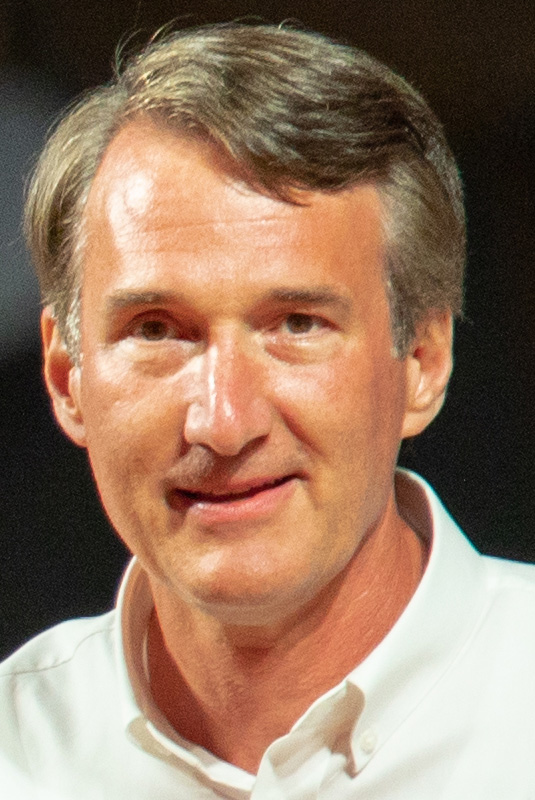
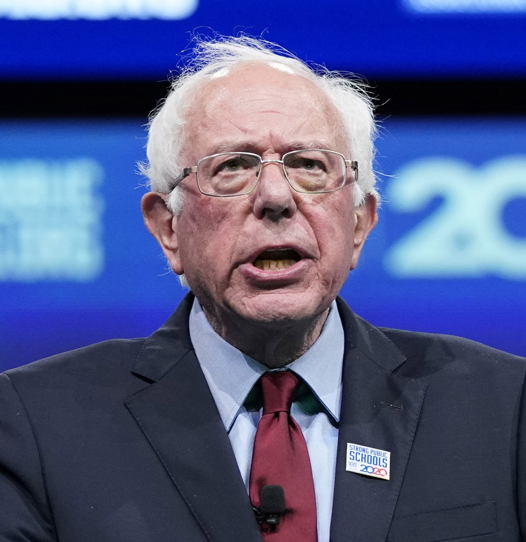
Says Dave Brat “voted against protecting pre-existing conditions.”

Spanberger ad on Brat’s vote on pre-existing conditions lacks context
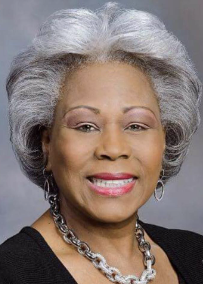
U.S. Rep. Dave Brat has not protected health insurance rates for people with pre-existing conditions, according to Abigail Spanberger, the Democratic challenger in the 7th Congressional District.
Spanberger makes the charge in a widely-played TV ad. It features Jody Cametas, a Goochland attorney, saying her son, Mason, was diagnosed with Type 1 diabetes when he was 10.
“He had to learn to test his blood sugar multiple times a day and give himself injections,” Cametas says. “And it’s so expensive that many families are sharing supplies to make ends meet.
“I feel betrayed by Dave Brat; he voted against protections for pre-existing conditions for families like mine,” she says. The screen switches to video of Brat talking and white letters say, “Brat VOTED AGAINST PROTECTION for pre-existing conditions.”
Cametas finishes, “I voted for Dave Brat once. I will not make that mistake again. I’m voting for Abigail Spanberger.”
Brat campaign spokesperson Katie Price has labeled the claim about the congressman’s vote “a lie,” and called on Spanberger to “correct the record immediately.” Spanberger stands by the commercial. So we investigated whether Spanberger’s ad claim is accurate.
The vote
Spanberger defends her ad by citing Brat’s vote on May 4, 2017 for the American Health Care Act – a Republican bill that would have largely repealed the Affordable Care Act, also known as Obamacare. The measure passed the House on a mostly partisan 217-213 vote, but died in the Senate.
One of the most popular parts of Obamacare is a mandate that health insurers cannot reject people on the basis of pre-existing conditions – such as asthma, cancer, heart disease or diabetes – or charge them exorbitant premiums.
The AHCA kept the requirement that people with pre-existing conditions be offered insurance. But it would have changed Obamacare’s rules limiting how much those people could be charged.
The legislation would have allowed states to get waivers from individual requirements of Obamacare. Insurers in those states would have been permitted to raise the premiums, for one year, of people with pre-existing conditions who were uninsured for at least 63 straight days the previous year.
The bill would have appropriated $8 billion over five years to help people who couldn’t afford their penalty premium. After a year of paying higher rates, penalized people would have again qualify for regular rates.
In other words, the bill would have allowed, in some cases, insurers to consider pre-existing conditions in writing policies. But this would have been unusual.
The impact
The bill would have had little effect on 153 million Americans who get their health insurance through an employer – roughly half the population under 65. It was unknown how many states would apply for waivers. And only some of the people who buy their own insurance would have had a three-month gap in their coverage.
The Kaiser Family Foundation, a leading authority on health care, estimated that “6.3 million people “could potentially face higher premiums under the House’s American Health Care Act (AHCA), due to pre-existing health conditions.” That’s a significant number, but a small portion of all the people under 65 with pre-existing conditions (those 65 or older are eligible for Medicare, which covers almost all previous health issues).
The Centers of Medicare and Medicaid Services estimates that between 50 million and 129 million Americans under 65 might have a pre-existing health condition. That suggests, when combined with the Kaiser’s research, that somewhere between 4 and 13 percent of people under 65 with pre-existing conditions might have faced higher premiums under the AHCA.
Our ruling
Spanberger’s ad says Brat “voted against protecting pre-existing conditions,” and, in a limited way, he did when he supported the AHCA. The bill would have allowed states to request a waiver from a popular Obamacare provision barring insurers from discriminating against people with pre-existing conditions.
But the sweeping language in the ad makes it seem like the AHCA would affect any child or adult with a pre-existing condition, and that’s not so. In fact, a small portion of them would have been at risk.
Kaiser estimates that about 6.3 million people faced potentially higher – much higher – premiums for one year. That’s somewhere 4 and 13 percent of the people under 65 with pre-existing conditions.
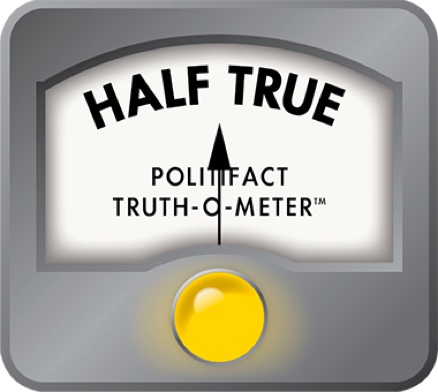
So Spanburger’s claim is partially accurate, but omits important details and context. We rate it Half True.
Our Sources
Abigail Spanberger, "Jody" ad, Sept. 28, 2018.
PolitiFact North Carolina, "Does new version of the ACHA protect coverage for pre-existing conditions?" May 4, 2017.
Interview with Justin Jones, spokesperson for Abigail Spanberger’s campaign, Oct 8, 2018.
News release from Katey Price, spokesperson for Dave Brat’s campaign, Oct. 8, 2018.
Abigail Spanberger, written statement, Oct. 8, 2018.
Congress.gov., HR1628, May 4, 2017.
Kaiser Family Foundation, AHCA analysis, May 17, 2017.
Congressional Budget Office, Health insurance coverage for people under 65,
Medicare.com, "Does Medicare cover pre-existing conditions?" Sept. 10, 2018.
Centers for Medicare and Medicaid Services, "At-risk: Pre-existing conditions could affect one in two Americans,"