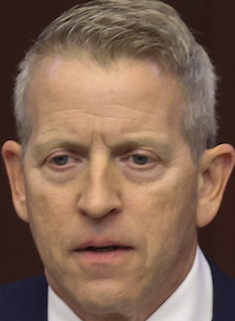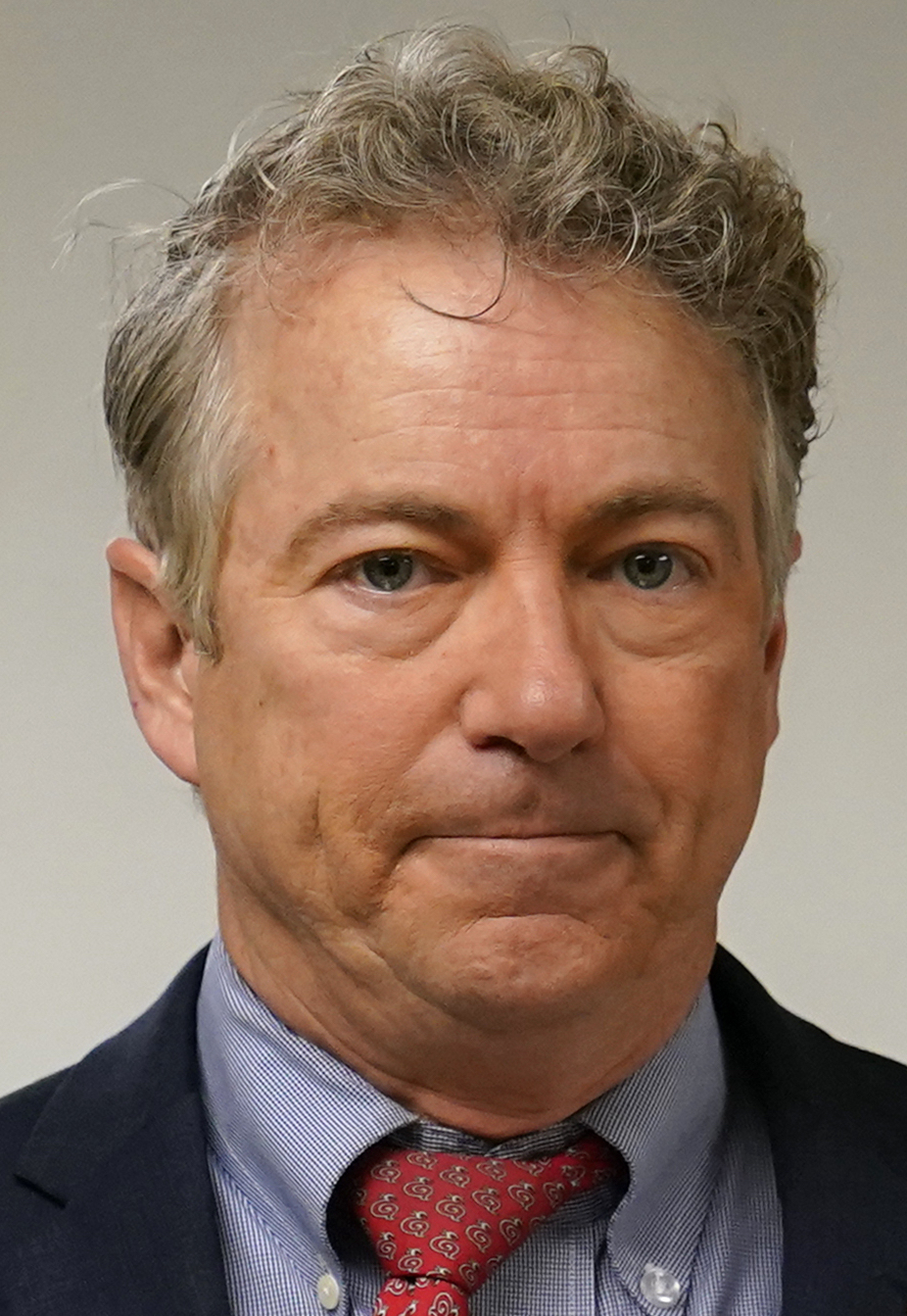
“If you are going to kill the families of terrorists, realize that there’s something called the Geneva Convention we’re going to have to pull out…

Geneva Conventions bar Donald Trump’s idea of killing terrorists’ families, as Rand Paul says
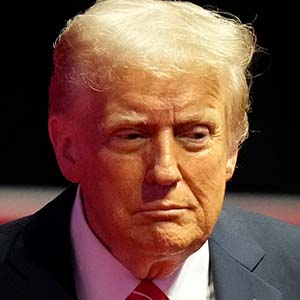
Donald Trump says the United States should kill the family members of terrorists, and not to do so is just being “politically correct.”
“The other thing with the terrorists is you have to take out their families, when you get these terrorists, you have to take out their families,” Trump said on Fox and Friends on Dec. 2, 2015. “They care about their lives, don’t kid yourself. When they say they don’t care about their lives, you have to take out their families.”
Trump got a challenge on this at the CNN presidential debate in Las Vegas. CNN aired a pre-recorded question from Josh Jacob, a student at Georgia Tech: “Recently Donald Trump mentioned we must kill the families of ISIS members. However, this violates the principle of distinction between civilians and combatants in international law.”
Trump doubled down on his position: “I would be very, very firm with families” and repeating his sentiment that even though people think “they may not care much about their lives … they do care, believe it or not, about their families’ lives.”
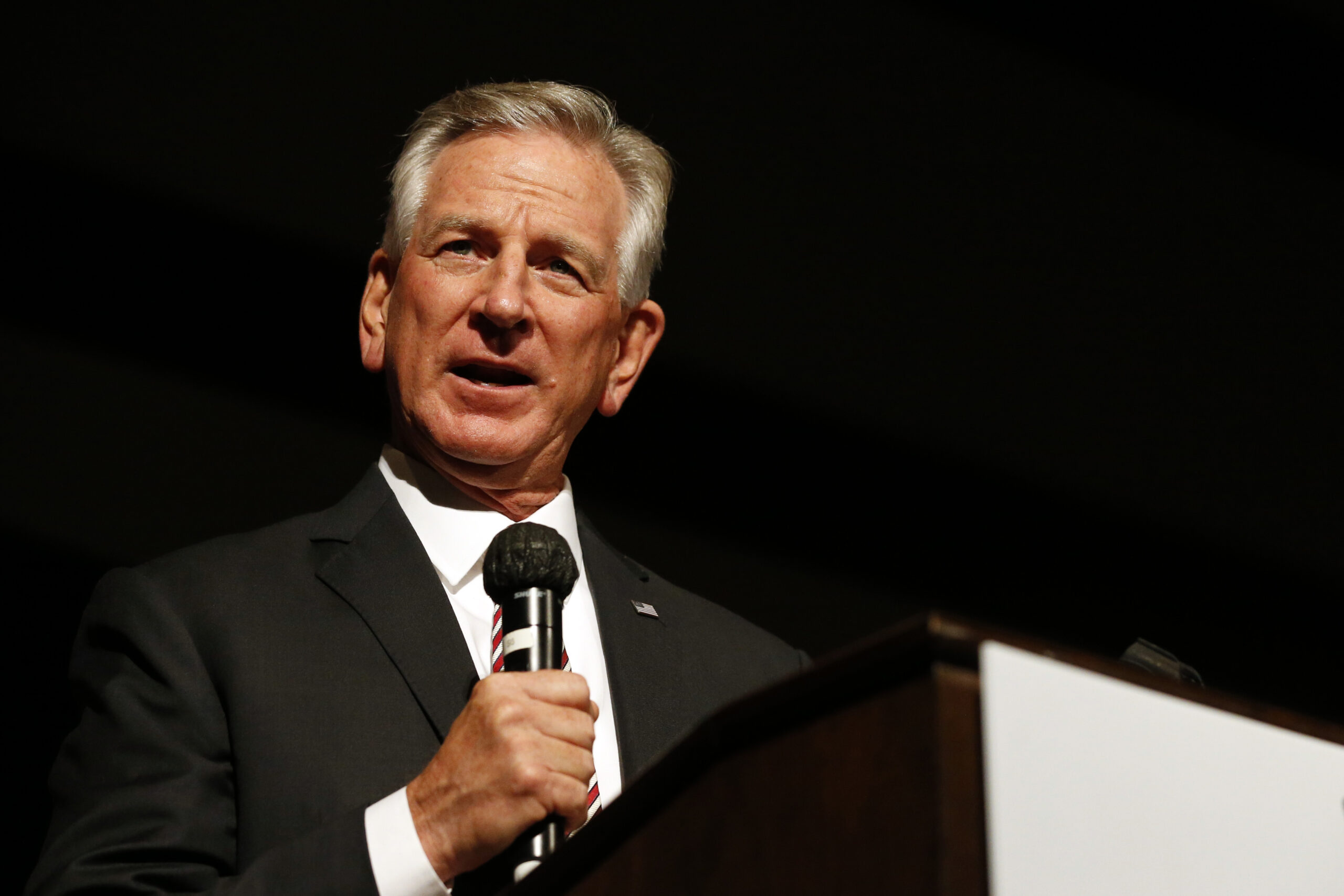
Later in the debate, Kentucky Sen. Rand Paul took Trump to task for that approach.
“If you are going to kill the families of terrorists,” Paul said, “Realize that there’s something called the Geneva Convention we’re going to have to pull out of. It would defy every norm that is America.”
We wondered whether Paul was right about the Geneva Convention, so we asked a range of experts in international law.
They said Paul was correct and pointed to two key pieces of international agreements.
What the Geneva Convention says about fighting terrorist groups
The Geneva Conventions were designed after World War II to establish agreed-upon rules of war. The United States, like most countries, is a party to them and “is hugely committed in principle and in the training of soldiers,” said Steven R. Ratner, a University of Michigan law professor.
All four Geneva Conventions from 1949 contain “Common Article 3,” which applies to “armed conflict not of an international character.” What does that mean? The U.S. Supreme Court, in the 2006 case Hamdan vs. Rumsfeld, ruled that “armed conflict not of an international character” means a war that is not fought against a sovereign state. (A sovereign state simply means a country with a recognized government.) Since groups like ISIS are not considered sovereign states, that means that Common Article 3 applies to the current war on terrorism.
According to Common Article 3, people who are taking no active part in the hostilities “shall in all circumstances be treated humanely… To this end, the following acts are and shall remain prohibited at any time and in any place whatsoever … violence to life and person, in particular murder of all kinds, mutilation, cruel treatment and torture.”
Experts said this language would make Trump’s approach a violation of the Geneva Conventions, assuming that the family members were not taking part in terrorist activities.
Common Article 3 “would seem to prohibit any targeting of families or others who were ‘taking no active part in hostilities,’ ” said Anthony Clark Arend, Georgetown University professor of government and foreign service. “The principle of noncombatant immunity is a fundamental principle of international law.”
What the Geneva Conventions say about targeting civilians
This extension of the original Geneva Conventions was finalized in 1977.
The most relevant portion for judging the Trump scenario appears to be Article 51.2, which states, “The civilian population as such, as well as individual civilians, shall not be the object of attack. Acts or threats of violence the primary purpose of which is to spread terror among the civilian population are prohibited.”
This root principle here is to ensure that civilians are not the object of an attack, said Richard D. Rosen, director of the Center for Military Law and Policy at the Texas Tech University School of Law.
“I believe that a policy of intentionally and directly targeting the families of terrorists, assuming the family members are not combatants themselves, is a gross violation of the law of war and a war crime,” Rosen said.
Rosen and others acknowledged that there are some gray areas when putting this provision into practice.
For instance, the Geneva Conventions don’t outlaw all civilian casualties when armed forces are undertaking a military objective. It effectively permits them if precautions are taken and the “expected loss of life or injury to civilians, and damage to civilian objects incidental to the attack, is not excessive in relation to the concrete and direct military advantage expected to be gained,” Rosen said.
This balance can be difficult to strike, Ratner said, but at least it means that “you can’t kill a huge number of people just to knock out a small target.”
There’s another wrinkle: Officially, the United States is not a party to the Additional Protocols of 1977. However, the United States has blessed them in practice, experts said.
The United States “has recognized much of (the Additional Protocols) as binding customary law,” said Mary Ellen O’Connell, a Notre Dame law professor. The Supreme Court “said as much in Hamdan vs. Rumsfeld in 2006. As customary international law, the U.S. cannot ‘pull out’ of the rule. It binds us until a new treaty rule or customary rule supersedes it.”
In addition, Rosen said, the Defense Department Law of War Manual published in June 2015 says that civilians may not be made the object of an attack.
The provisions in the Additional Protocols “prohibit acts of violence the primary purpose of which is to spread terror in a civilian population,” said David P. Fidler, a law professor at Indiana University. “Trump’s proposal to have U.S. military forces deliberately kill families, including women and children, in order to deter ISIS fighters is a proposal to use acts of violence to spread terror among civilians. Or Trump wants to fight terror with terror, something abhorrent to America’s warriors and unconscionable as a suggestion from someone who wants to be commander in chief.”
Our ruling
Paul said, “If you are going to kill the families of terrorists, realize that there’s something called the Geneva Convention we’re going to have to pull out of.”
A range of experts in international law agreed that at least two elements of the Geneva Convention would contravene a policy of killing family members of terrorists, and that the United States has demonstrated a commitment to adhering to both provisions.
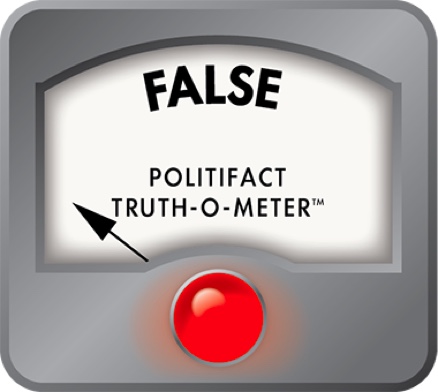
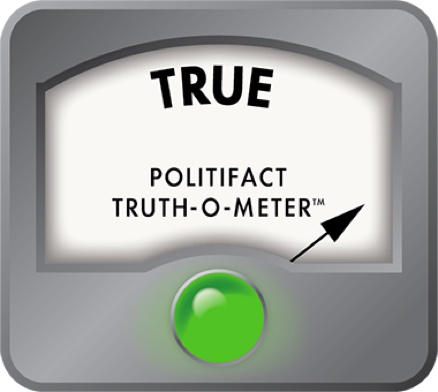
We rate Paul’s statement True.
Our Sources
Rand Paul, comments at the CNN Republican presidential debate in Las Vegas, Dec. 15, 2015
Text of Additional Protocol to the Geneva Conventions, 1977
Defense Department, Law of War Manual, June 2015
CNN, "Donald Trump on terrorists: 'Take out their families,' " Dec. 3, 2015
Email interview with Mary Ellen O'Connell, Notre Dame law professor, Dec. 16, 2015
Email interview with Richard D. Rosen, director of the Center for Military Law and Policy at the Texas Tech University School of Law, Dec. 16, 2015
Email interview with Anthony Clark Arend, Georgetown University professor of government and foreign service, Dec. 16, 2015
Email interview with Steven R. Ratner, a University of Michigan law professor, Dec. 16, 2015
Email interview with David P. Fidler, law professor at Indiana University, Dec. 16, 2015