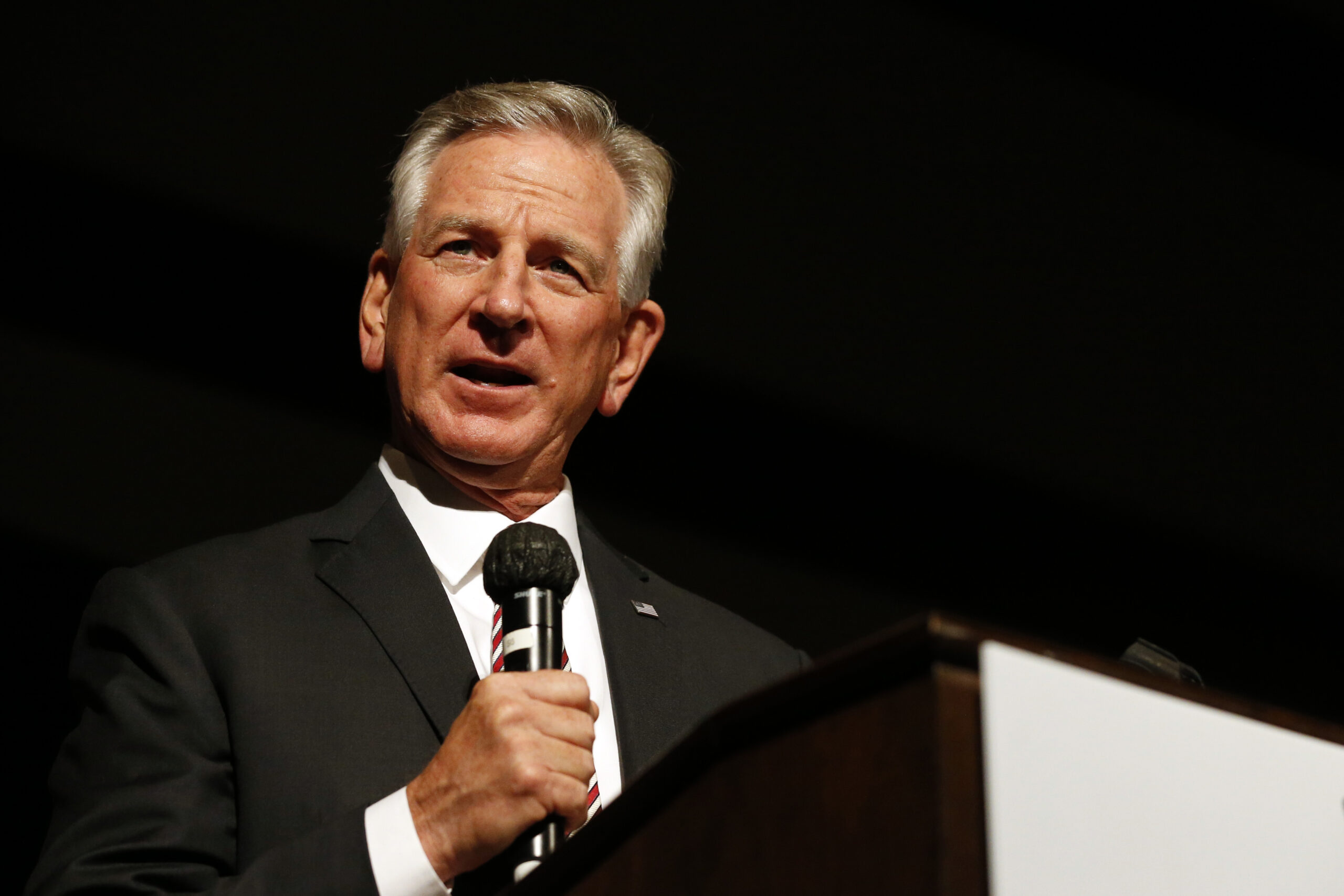
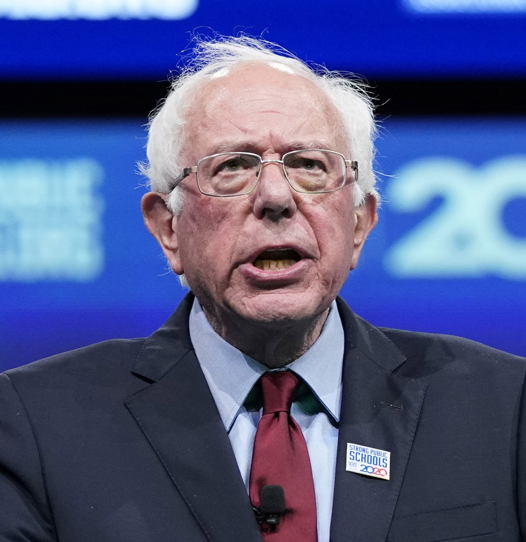
“In the last three years alone, 13 times, the Supreme Court, unanimously, 9-0, including all of the president’s liberal picks, have struck down the president’s…

GOP spokesman says Supreme Court unanimously ruled against Barack Obama’s executive orders 13 times
House Speaker John Boehner’s threat to sue President Barack Obama is either a political stunt or a necessary course of action against an errant administration, depending on what side of the aisle you fall.
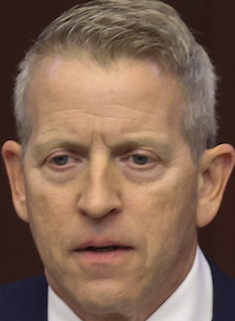
On CNN’s State of the Union July 6, 2014, the debate bore out along expected lines. After liberal radio host Stephanie Miller claimed, “President Bush had way more executive orders than President Obama” (a topic we have tackled in previous fact-checks), Republican National Committee spokesman Sean Spicer said Obama’s actions are “fundamentally different than has ever happened before.” Proof? How about his recent record with the Supreme Court.
“In the last three years alone, 13 times, the Supreme Court, unanimously, 9-0, including all of the president’s liberal picks, have struck down the president’s executive orders,” Spicer said.
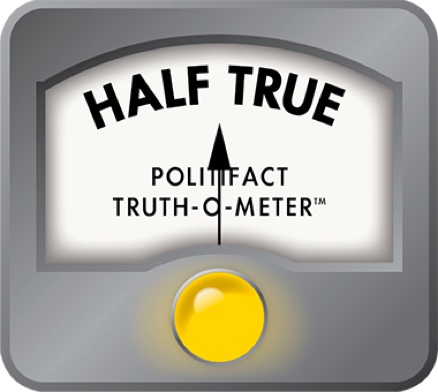
This was a bit of deja vu for us. Just one week earlier on another Sunday political show, Fox News Sunday, we heard a very similar claim from Rep. Bob Goodlatte. We rated it False.
Goodlatte claimed that the Supreme Court decision in National Labor Relations Board vs. Noel Canning was “the 13th time the Supreme Court has voted 9-0 that the president has exceeded his constitutional authority.”
Spicer’s statement relies on the same incorrect premise as Goodlatte’s comment, and in fact takes it a step further. (In an email to PolitiFact, he also admitted that he “misspoke in using the statistic.”) Let’s explain why.
Goodlatte provided us a list of the cases he was referring to. We reviewed them, and enlisted the help of constitutional law experts to take a look as well.
We had several issues with the list. For starters, nine of the 13 cases actually originated when President George W. Bush was in office.
Bush’s Justice Department handled the initial court proceedings in most of those instances.
Obama’s Justice Department in many of the cases handled the appellate process and ultimately defended the actions to the Supreme Court. But that’s commonplace, experts we spoke with said.
Only one of the 13 cases actually had to do directly with Obama’s overreach: National Labor Relations Board vs. Noel Canning. In that case, decided in June, the Supreme Court said unanimously that Obama went too far when he appointed members to the National Labor Relations Board when the Senate wasn’t technically in session.
But even that case had nothing to do with what Spicer said last weekend on CNN. Spicer claimed that the court has unanimously rejected “the president’s executive orders” 13 times in three years.
Executive orders are a lot different, and a lot more specific, than “constitutional authority,” which is what Goodlatte said. Executive orders are official actions taken by the president directing the federal government and bureaucracies. They carry the power of law, but can be revoked or amended by future administrations and are limited in scope.
It does not appear that any of these cases actually have to do with executive orders issued by Obama.
In the case concerning the National Labor Relations Board, for example, the issue was the president’s power to make appointments. There was no executive order issued that named individuals to positions to the board.
In United States vs. Arizona, another case on the list, Obama’s justice department took Arizona to court over the state’s tough immigration laws. But it wasn’t the result of an executive order from Obama.
In one of the cases, McCullen vs. Coakley, the Obama administration was not even a plaintiff or a defendant in the case. The case was a challenge to a Massachusetts law that put no-protest zones around abortion clinics. While the Obama administration filed a brief supporting the Massachusetts law, no executive order was filed or challenged.
And again, most of these cases were started under Bush, so any executive action was likely coming from the previous administration, not Obama.
Our ruling
Spicer said, “In the last three years alone, 13 times, the Supreme Court, unanimously, 9-0, including all of the president’s liberal picks, have struck down the president’s executive orders.”
Most of the litigation actually came in response to actions under the Bush administration. In the few cases initiated during Obama’s two terms, the court wasn’t even ruling on challenges to Obama’s executive orders.
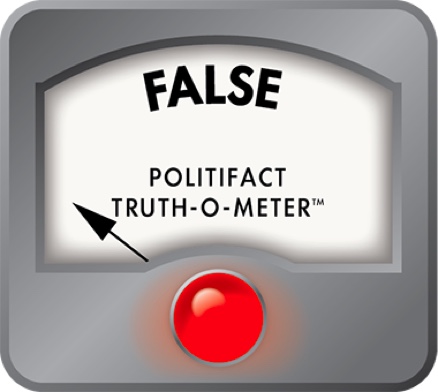
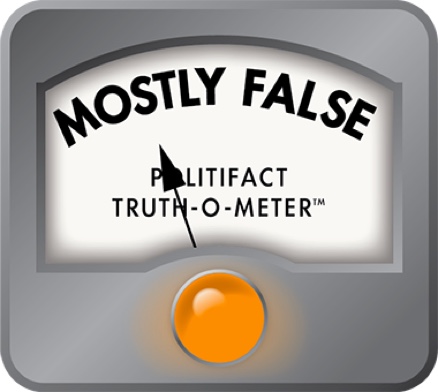
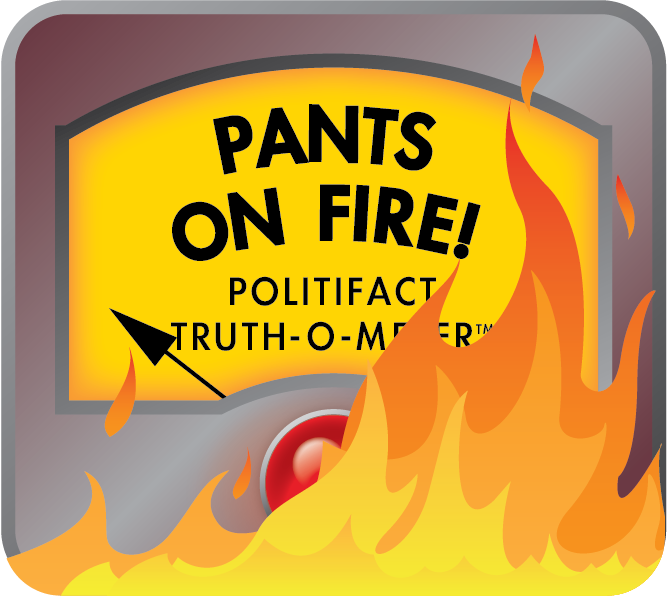
Spicer took an already debunked argument and made another mistake in repeating it, so it was even more incorrect. We rate the statement Pants on Fire.
Our Sources
CNN State of the Union interview with Sean Spicer, July 6, 2014
Email interview with Spicer, July 8, 2014
Fox News Sunday interview with Rep. Bob Goodlatte, June 29, 2014
Email interview with Jessica Collins, June 29, 2014
Phone interview with Susan Bloch, constitutional law professor at Georgetown University, June 29, 2014
Email interview with Tom Goldstein, publisher of the Supreme Court blog SCOTUSblog.com, June 29, 2014
Email interview with Stephen Wermiel, Professor of Practice in Constitutional Law and associate director of the Summer Institute on Law and Government at American University Washington College of Law, June 29, 2014
SCOTUSBlog, United States v. Jones, accessed June 29, 2014
SCOTUSBlog, Bond v. United States, accessed June 29, 2014
SCOTUSBlog, United States v. Wurie, accessed June 29, 2014
SCOTUSBlog, NLRB v. Noel Canning, accessed June 29, 2014
SCOTUSBlog, Sekhar v. United States, accessed June 29, 2014
SCOTUSBlog, Horne v. USDA, accessed June 29, 2014
SCOTUSBlog, PPL Corp. v. Commissioner of Internal Revenue, accessed June 29, 2014
SCOTUSBlog, Arkansas Fish & Game Commission v. United States, accessed June 29, 2014
SCOTUSBlog, Gabelli v. SEC, accessed June 29, 2014
SCOTUSBlog, Arizona v. United States, accessed June 29, 2014
SCOTUSBlog, Hosanna-Tabor Evangelical Lutheran Church & School v. EEOC, accessed June 29, 2014
SCOTUSBlog, Sackett v. EPA, accessed June 29, 2014
SCOTUSBlog, McCullen v. Coakley, accessed June 29, 2014
Washington Post, "Obama administration brings unity to the Supreme Court," June 26, 2014
National Review Online, "Supreme Court Rules Unanimously Against Obama for 12th and 13th Time Since 2012," June 26, 2014
New York Times, "Blocking Parts of Arizona Law, Justices Allow Its Centerpiece," June 25, 2012