“Most” of the Bush tax cuts went to people “in the top 3 percent of this country.”

Jim McDermott says to 3 percent got majority of benefit from Bush tax cuts
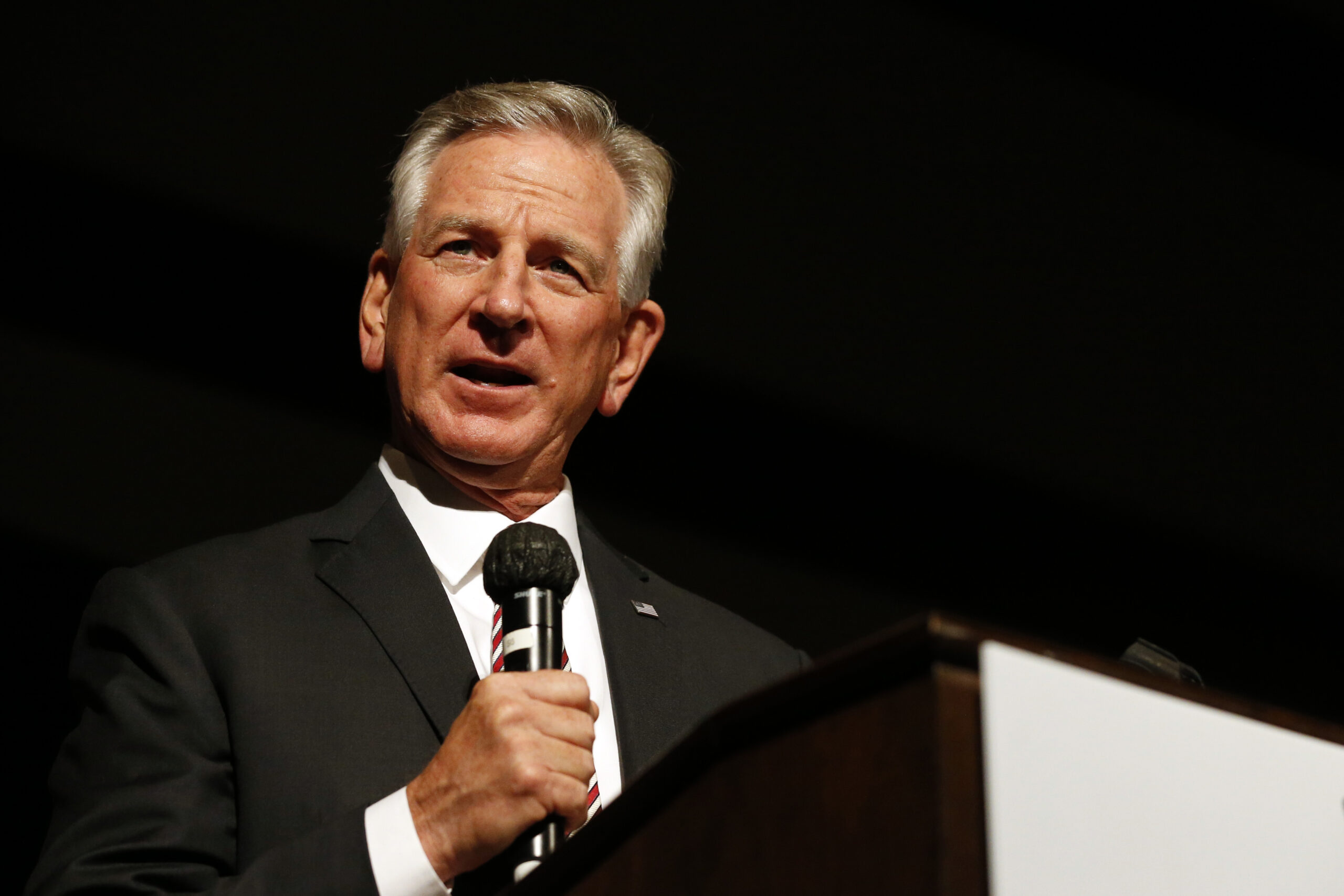
During an interview with MSNBC host Ed Schultz, Rep. Jim McDermott, D-Wash., took aim at a series of tax cuts enacted by President George W. Bush — tax cuts that backers say energized the economy but which critics assailed as a giveaway to the rich.
Schultz and McDermott were discussing Republican opposition to extending unemployment benefits without reallocating money already included in the economic stimulus package passed in 2009. McDermott, like other Democrats, decried that rationale for blocking unemployment insurance, saying that Republicans have consistently supported tax cuts that benefit richer Americans.
“Those tax cuts, most of it, went to people above — at the very top, in the top 3 percent of this country, and they simply are unwilling to be even-handed,” McDermott said. “Treat the workers like you treat the rich in this country, but they don’t. They give to the rich and take it away from the poor, and then cluck their fingers and say, we shouldn’t give you an unemployment check because you might sit at home and wait for this little check and not go out and look for a job. You can’t find a job today in most parts of this country. You’ve got six people looking for every job that’s out there, and to put the blame on the workers is absolutely wrong.”
We thought it was worth checking his claim that a majority of the benefits from the Bush tax cuts flowed to the richest 3 percent of Americans.
To do this, we looked at figures compiled by the Urban Institute-Brookings Institution Tax Policy Center. In one chart, the center compares how big a share different economic groups got from the series of tax cuts enacted under Bush between 2001 and 2008.
The center didn’t look specifically at the top 3 percent, but it did look at the top 1 percent and the top 5 percent. The top 1 percent took 29.5 percent of the benefits, and the top 5 percent took 44.2 percent.
So if the top 5 percent took less than 50 percent of the benefits, the top 3 percent certainly didn’t reach that 50 percent threshold. A rough estimate that splits the difference would be that the top 3 percent got 37 percent to 39 percent of the benefits.
“They did get a lot of the cuts, but not quite that much,” said Bob Williams, a senior fellow at the Tax Policy Center.
While McDermott’s 3 percent figure is wrong, it’s on the right track. While the tax cuts did benefit lower-income taxpayers as well, they benefited wealthier Americans disproportionately, based both on their share of the population and their share of income. In 2009, the top 1 percent earned 16 percent of cash income and the top 5 percent earned 29.5 percent of cash income.
Indeed, if McDermott had simply refrained from citing the 3 percent figure, he would have been correct in saying that most of the Bush tax cuts went to “people … at the very top” — as long as you define the very top as the top 20 percent of earners. The top 20 percent took roughly two-thirds of the benefits from the tax cuts, according to the center’s calculations.
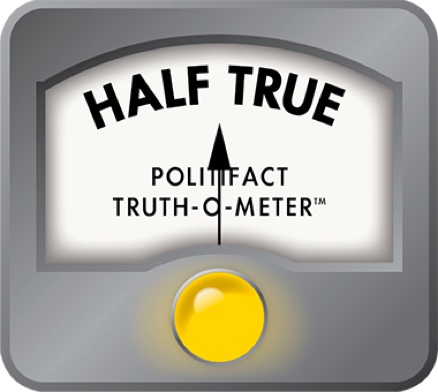
Still, McDermott did try to bolster a reasonable argument with an incorrect figure. So we rate his statement Half True.
Our Sources
Jim McDermott, interview on MSNBC, July 13, 2010 (CQ subscribers only)
Tax Policy Center, "Individual Income and Estate Tax Provisions in the 2001-2008 Tax Cuts With AMT Patch Extended Distribution of Federal Tax Change by Cash Income Percentile," accessed July 14, 2010
Tax Policy Center, "Share of Federal Taxes Under Current Law, by Cash Income Percentile, 2009," accessed July 14, 2010
E-mail interview with Bob Williams, senior fellow at the Tax Policy Center, July 14, 2010