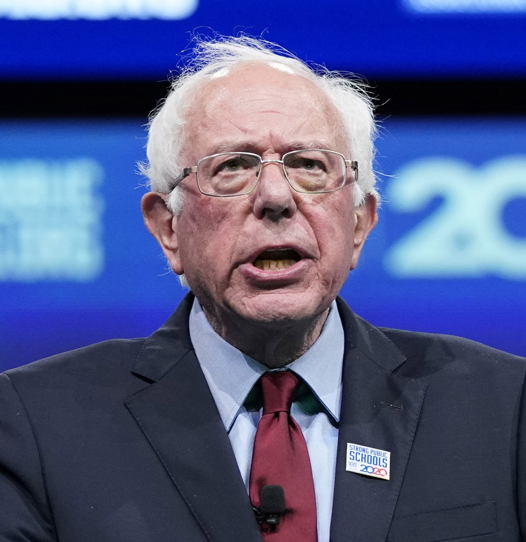
“Subsidies for oil and gas companies make up 88 percent of all federal subsidies. Just cutting the oil and gas subsidies out would save the…
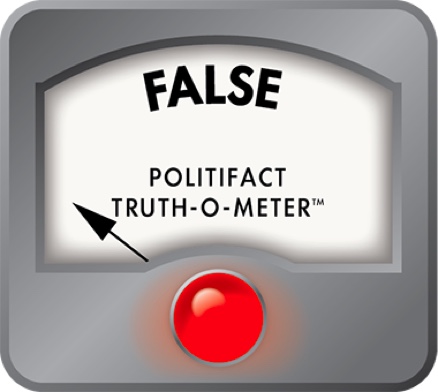

Olbermann says oil and gas subsidies account for 88 percent of all federal subsidies
The oil spill in the Gulf of Mexico has brought renewed attention to government subsidies conferred upon the oil and gas industry. Keith Olbermann, the liberal host of the MSNBC prime-time show Countdown, took the issue of the oil and gas industry head-on during the show that aired July 6, 2010.
He cited reports by the Center for American Progress — a liberal think tank — that outlined “nine different subsidies that the U.S. government gives to an industry that makes more money than any other industry, including refunds for drilling costs and refunds to cover the cost of searching for oil. Subsidies for oil and gas companies make up 88 percent of all federal subsidies. Just cutting the oil and gas subsidies out would save the U.S. government $45 billion every year.”
The last two sentences are the ones that stuck out to us. Given the wide range of subsidies the government grants, notably agricultural subsidies, do those for the oil and gas industry really account for 88 percent of the total? And do oil and gas subsidies really amount to $45 billion per year, which is equivalent to more than 2 percent of all federal revenues?
We’ll take them in order.
“Subsidies for oil and gas companies make up 88 percent of all federal subsidies.”
We tracked down the Center for American Progress paper the statistic was drawn from — “Pumping Tax Dollars to Big Oil: Getting Government Priorities Right on Tax Subsidies for Oil Companies,” published on April 14, 2010, by Sima J. Gandhi, a senior economic policy analyst with the center.
In the paper, Gandhi wrote, “Tax expenditures are government spending through the tax code. They are distributed through deductions, exclusions, credits, exemptions, preferential tax rates, and deferrals. What makes them look different from grants or checks is that they are delivered through the tax code as part of tax expenditure spending programs. These tax expenditures can amount to a significant portion of federal subsidies for oil and gas. The cost of tax expenditure programs for oil and gas companies made up about 88 percent of total federal subsidies in 2006.”
When we read that, it sounded to us like Gandhi was saying that 88 percent of all oil and gas subsidies were accomplished through the tax code — not that 88 percent of all federal subsidies went to the oil and gas industry.
To check that, we contacted Gandhi. She confirmed our suspicion and pointed us to her original source — a 2006 paper published by the Texas Comptroller of Public Accounts, a state office. The paper includes a detailed table and says that “various taxes represented approximately 87.4 percent of federal government subsidies for oil and gas in 2006.”
So it’s clear to us that Olbermann misstated that statistic.
“Cutting the oil and gas subsidies out would save the U.S. government $45 billion every year.”
This one proved even easier to check. We located a different Center for American Progress paper by Gandhi, “Eliminating Tax Subsidies for Oil Companies,” published on May 13, 2010. In it, she outlines nine different types of subsidies (Olbermann was right about that number) and concludes that “the total government savings from eliminating these subsidies is projected to be $45 billion over 10 years.”
That’s $45 billion over 10 years, not one year, as Olbermann had said.
We aren’t qualified to judge the accuracy of the Center for American Progress’ statistics, which may well draw criticism from conservatives. But Olbermann clearly muffed it twice when he repeated them incorrectly to viewers — and by a substantial margin — giving viewers the impression that oil and gas subsidies are 10 times more expensive than they actually are. Because of this, we considered rating his comment Pants on Fire, but his errors seemed to us to be sloppy rather than devious. So we’ll give him a rating of False.
Postscript: On his show on July 9, 2010, Olbermann acknowledged the error:
“One last note on the subject of oil. An apology and thank you, apologies to you for getting this wrong this past Tuesday.
“We said the oil and gas industry gets 88 percent of all federal subsidies. Not true. A report by the Center for American Progress concluded that 88 percent of federal subsidies to oil and gas came in the form of tax breaks and credits and so forth. We all misread it. The buck stops here so I apologize for passing on the wrong info to you.
“Cutting oil and gas subsidies would save $45 billion, but that’s over 10 years, not in the one year we reported. So, our apologies again — and our thanks to PolitiFact.com which brought this to light and guessed correctly that we misread the report, and our thanks to them for only rating our report “false” rather than their other option ‘pants on fire.'”
Our Sources
Keith Olbermann, transcript of MSNBC's Countdown with Keith Olbermann, July 6, 2010
Sima J. Gandhi, "Pumping Tax Dollars to Big Oil: Getting Government Priorities Right on Tax Subsidies for Oil Companies" (Center for American Progress paper), April 14, 2010
Sima J. Gandhi, "Eliminating Tax Subsidies for Oil Companies" (Center for American Progress paper), May 13, 2010
Texas Comptroller of Public Accounts, "The Energy Report 2008" (Chapter 28: Government Financial Subsidies), accessed July 8, 2010
Office of Management and Budget, the president's fiscal year 2011 budget (summary table S.-1, Budget Totals), accessed July 8, 2010
Interview with Sima J. Gandhi, senior economic policy analyst with the Center for American Progress, July 8, 2010