The Democrats’ health care reform law is a “government takeover of health care.”

Robert Hurt calls health care reform law a “government takeover”
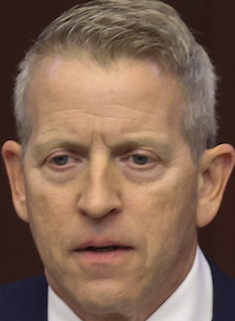
Among the chorus of conservatives lauding a Virginia federal court ruling last week that declared a piece of the health care reform law unconstitutional was Congressman-elect Robert Hurt.
Hurt, R-5th, hailed U.S. District Judge Henry E. Hudson’s decision as “a step in the right direction to preserving and protecting our Constitutional liberties and putting a stop to an overreaching federal government.”
He added: “I fully support Attorney General Cuccinelli and his efforts in challenging the constitutionality of the individual mandate provision in the health care legislation, and I look forward to working to repeal and defund the government takeover of health care in the 112th Congress.”
Hurt is certainly not the first to label health care reform a “government takeover,” but he’s the first PolitiFact Virginia has had occasion to check on the claim.
And he’s wrong.
As previous national PolitiFact checks have shown, no matter how you look at it, the legislation cannot reasonably be considered a government takeover.
The government will not take over hospitals or other privately-run health care businesses. Doctors will not become government employees, like in Britain. And the U.S. government intends to help people buy insurance from private insurance companies, not pay all the bills like the single-payer system in Canada.
The legislation is, in fact, designed to set up new systems to encourage private health insurance companies to provide more coverage and better services.
That coverage would be paid for the same way it is now — by private employers and individual premiums. That’s not a government takeover.
The key parts of the current U.S. system — employer-provided insurance, Medicare for the elderly, Medicaid for the poor — would stay in place. The government has been running those programs for decades.The law would create health insurance exchanges for people who have to buy coverage on their own, so they could more easily compare plans and prices.
The biggest new element in the plan is a health care exchange that is supposed to provide coverage for Americans who have trouble getting it now — people who are self-employed or work for small companies. The government (or the states) would create the exchanges, which would be virtual marketplaces where people could shop for the best coverage.
One component that would have lent a small measure of credibility to Hurt’s claim — the public option — was stripped from health care legislation in the Senate.
The public option would have required a government-run insurance program, which many conservatives said would have grown the government’s role.
The other element of the plan that would increase government’s role in providing coverage is the expansion of Medicaid. Under the law, Medicaid is enlarged to cover anyone at or below 133 percent of poverty level, which would not include undocumented workers.
The Congressional Budget Office estimates that will add 16 million new people to Medicaid on top of the roughly 60 million now in it.
But that certainly doesn’t make it a “government takeover.”
“It does increase government regulation of the health insurance industry and public funding for health care for lower and middle income uninsured Americans,” said Timothy Jost, a health law professor at Washington and Lee University School of Law. “It does not create a government insurance program, however, and has little impact on health care delivery. ‘Government takeover’ is simply political rhetoric.”
In summary, yes, government regulation of the existing system increases under the new legislation. More people will be insured. The government will create exchanges to provide coverage for Americans who have trouble getting it now. Medicaid, the government-run health insurance program for the poor, will be expanded.
But it is not, as Hurt says, a government-run plan. The public option, which would have added a government-run plan to the mix, was dropped from the bill. Coverage would be paid for the same way it is now, by private employers and individual premiums.
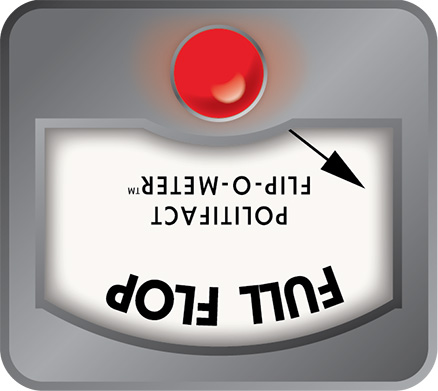
The claim is False.
Our Sources
Congressional Budget Office, Health care cost estimates, March 18, 2010
Kaiser Health Facts,Total Medicaid Enrollment, accessed Feb. 23, 2010
Email interview with Timothy Jost, Washington and Lee University School of Law
PolitiFact, "Bill Young claims House plan was 'government takeover' of health care," Feb. 24, 2010
Thomas,H.R. 4872 - Reconciliation Act of 2010, accessed March 18, 2010
Thomas,H.R. 3590 - Health care overhaul, Senate version, accessed March 18, 2010
The U.S. House of Representatives Committee on Rules,H.R. 4872 - Reconciliation Act of 2010, accessed March 18, 2010
Congressional Budget Office,H.R. 4872, Reconciliation Act of 2010, March 18, 2010
Democratic Policy Committee,The Patient Protection and Affordable Care Act