Under John McCain’s health care plan, people get a $5,000 tax credit to buy a $12,000 health care policy, and “that’s a loss for you.”

A major distortion on McCain’s policy
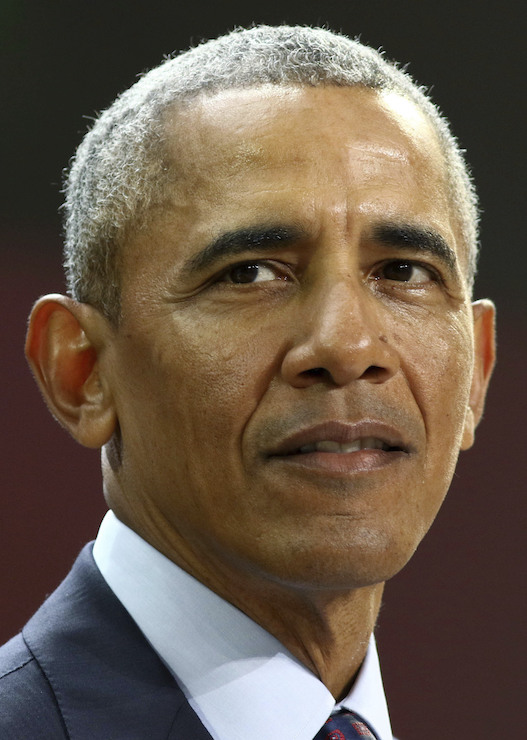
In the final presidential debate, Barack Obama attacked John McCain’s health care policy as a net loss for workers.
He was referring to a McCain proposal to repeal the traditional exemption on employer-provided insurance in exchange for a tax credit that will encourage workers to seek their own insurance. The credit would be $2,500 per person, or $5,000 for couples.
In the debate, Obama got some things right about McCain’s policy. Critics of McCain’s policy do indeed worry that it will discourage employers from offering health care without lowering premiums for everyone.
But Obama oversimplified drastically when he said, “By the way, the average policy costs about $12,000. So if you’ve got $5,000 and it’s going to cost you $12,000, that’s a loss for you.”
To explain why this statement is problematic, let’s get into more details about McCain’s policy.
Most Americans who have health insurance, about 71 percent, get it through their employer. Usually, the premiums are split so that the employer pays part and the employee pays part. Typically, the employer pays at least half, and often more.
Strictly speaking, the part that the employer pays is considered compensation and workers would owe taxes on it if there wasn’t a tax exemption in federal law. The exemption makes employer-provided health insurance more attractive to both workers and employers.
McCain wants to encourage greater competition for health insurance as a way to reduce premiums. His idea is that people should be able to go out on the open market and buy their own health insurance, and not be pushed into an employer-provided insurance plan by tax incentives.
So under McCain’s plan, the tax exemption for employer-provided health insurance would disappear, and people would get a tax credit to spend on any health insurance they wish. They might choose to use their employer’s plan and use the tax credit to offset the new tax on the benefit, or they might go off and buy insurance on their own.
It’s a complex switcheroo, but there’s ample evidence to show that the plan would be a wash for most workers. Keep in mind the current benefit is not worth $12,000, which is the cost of the average family plan; the benefit is
the taxes
on the part of that $12,000 that the employer pays. So if the employer picks up $8,000 of a $12,000 policy, the current benefit is the
taxes a worker would pay
on $8,000.
The McCain campaign says only workers with “gold-plated” health programs would do worse with the new credit. An independent analysis from the nonpartisan Urban Institute confirms that: “In general, lower-income people with health insurance would receive benefits from the credit that would be well in excess of the value that they receive from today’s tax exemption. The gains are much smaller for higher-income people.”
Obama’s numbers are wrong. McCain’s health plan does not replace a $12,000 policy with a $5,000 credit. It replaces
the taxes on part of that amount
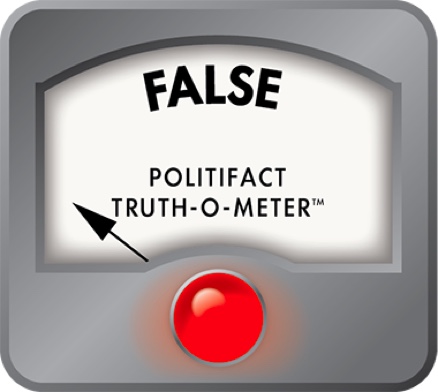
with a tax credit. We rate Obama’s statement False.
Our Sources
The Tax Policy Center, An Updated Analysis of the 2008 Presidential Candidates' Tax Plans , Sept. 12, 2008
Interview with Eric Toder of the Tax Policy Center
The Urban Institute, An Analysis of the McCain Health Care Proposal , Sept. 22, 2008
The Commonwealth Fund, The 2008 Presidential Candidates' Health Reform Proposals: Choices For America
New York Times, McCain Health Plan Could Mean Higher Tax , May 1, 2008