Trump said Americans’ finances don’t motivate him in Iran talks. How are people doing economically?
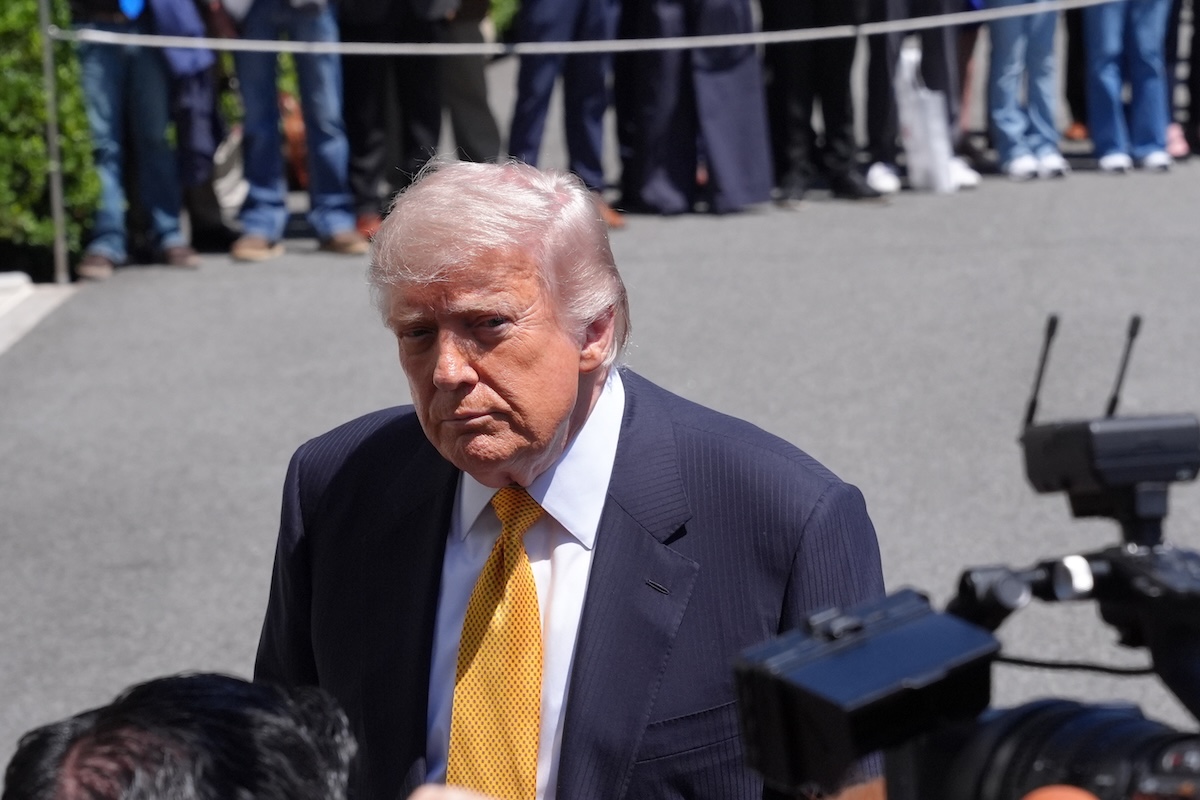

President Donald Trump’s recent answer to a question about how Americans are faring economically sparked claims of callousness.
A reporter asked Trump on May 12 how much Americans’ financial situations factor in when he’s weighing decisions about Iran.
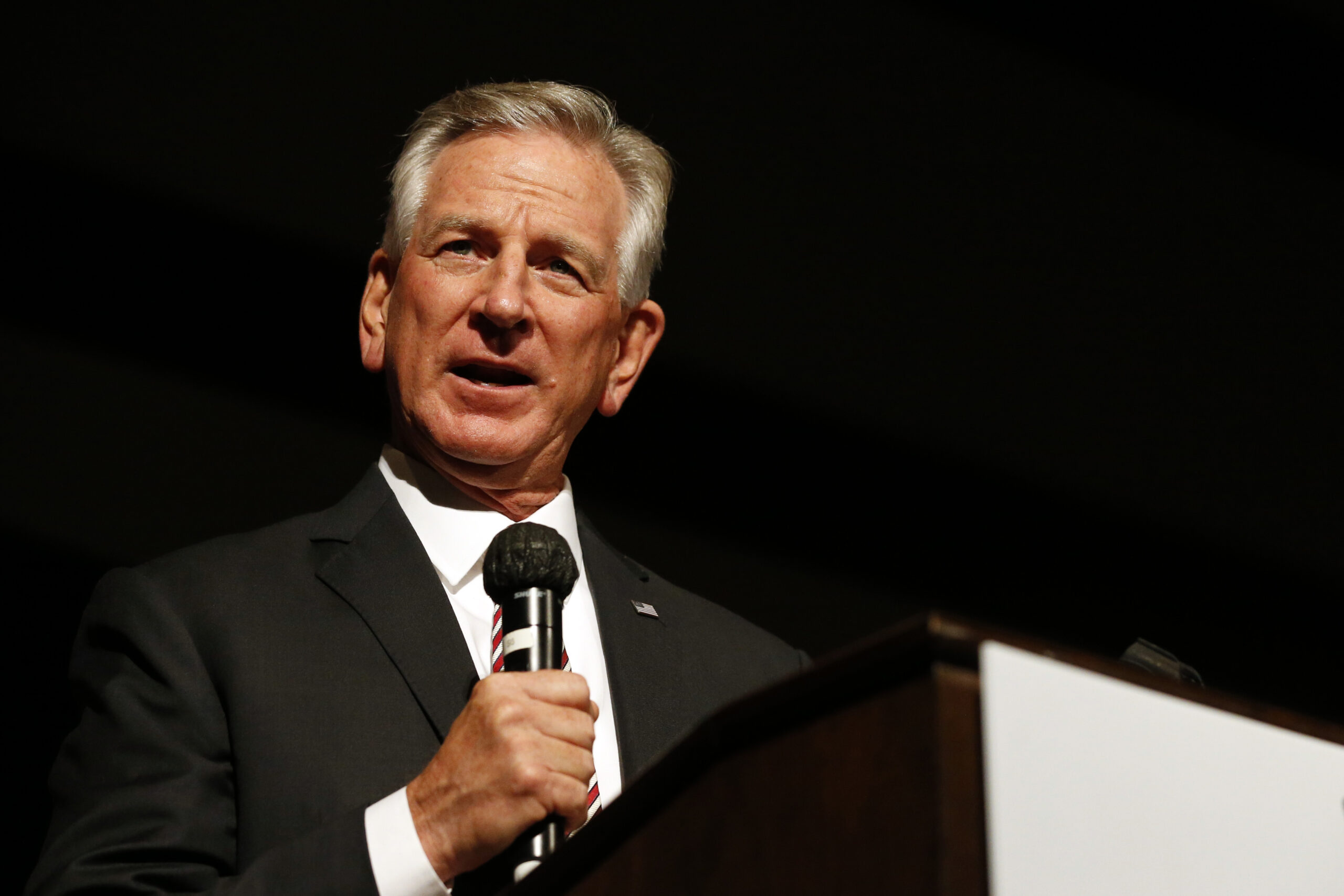
Trump responded, “Not even a little bit. The only thing that matters when I’m talking about Iran, they can’t have a nuclear weapon. I don’t think about American(s’) financial situation. I don’t think about anybody. I think about one thing. We cannot let Iran have a nuclear weapon, that’s all. That’s the only thing that motivates me.”
Democrats, including House Minority Leader Hakeem Jeffries, D-N.Y., and Senate Minority Leader Chuck Schumer, D-N.Y., quickly pounced. “Trump’s clueless comments make my blood boil,” Schumer said on the Senate floor. “Americans can’t understand how a president could be so cold, so callous. And so proud of it.”
In light of Trump’s comment, we decided to examine how the economy is treating average Americans.
We looked at metrics for inflation, wages, job creation, consumer debt and public opinion surveys about the economy. We asked the White House to suggest its own metrics, but it did not share any.
In a statement to PolitiFact, White House Communications Director Steven Cheung focused on the question’s original context: the Iran war and negotiations to end it.
“The President’s ultimate responsibility is the safety and security of Americans,” he said. “Iran cannot have a nuclear weapon, and if action wasn’t taken, they’d have one, which threatens all Americans.”
Douglas Holtz-Eakin, president of the center-right American Action Forum, said on the economic front, there’s not a lot to celebrate.
“For the majority of Americans the economy is close to stagnant — little hiring (or firing), real wages nearly flat, sustained inflation, and little optimism that things will change,” Holtz-Eakin said.
In seven charts, we show how the U.S. economy is performing for average Americans.
Prices for key goods and services have increased
Rising prices are a big concern for many Americans, after experiencing an inflation peak around 9% in 2022.
In six broad categories tracked by the Bureau of Labor Statistics — groceries, electricity, housing, apparel, medical care, and tuition and childcare — prices have not only risen during Trump’s presidency but also have risen faster than the 2% inflation rate that the Federal Reserve targets.
The increases during the first 16 months of Trump’s second term have ranged from 3.2% for groceries to 8.7% for electricity.
Gasoline is another major item many Americans purchase, and its price has soared since Trump launched the Iran war in February and Iran responded by blocking the Strait of Hormuz.
Today’s nationwide average gasoline price per gallon is among the highest ever recorded.
Mortgage rates also fell from 6.96% when Trump took office in January 2025 to 5.98% in late February, but they have since risen to 6.36%.
Wages outpaced inflation early in Trump’s second term, but not anymore
Early in 2025, wages grew robustly, consistently outpacing inflation. But inflation has picked up since the Iran war started, and now those early wage gains have all but disappeared.
Consumer loan delinquency has risen steadily
Feeling the inflation squeeze, consumers are struggling more with debt as they turn to credit to cover costs. One measure, the share of loaned money that is delinquent in being repaid, has increased steadily during Trump’s second term.
Delinquency rates for credit card debt and auto loan debt are roughly the same as during the Great Recession, which peaked in 2009. Mortgage and home-equity loan delinquencies are below their Great Recession levels, although they have also risen during Trump’s second term.

Our Sources
Donald Trump, remarks to reporters, May 12, 2026
Federal Reserve Bank of St. Louis, Average Hourly Earnings of All Employees, Total Private, accessed May 15, 2026
Federal Reserve Bank of St. Louis, Consumer Price index for Groceries, Electricity, Housing, Apparel, Medical Care, Tuition and Child Care, accessed May 15, 2026
Federal Reserve Bank of St. Louis, 30-year fixed mortgage rate, accessed May 15, 2026
Federal Reserve Bank of St. Louis, University of Michigan Consumer Sentiment Index, accessed May 15, 2026
Federal Reserve Bank of New York, "Quarterly Report on Household Debt and Credit," May 2026
U.S. Energy Information Administration, Weekly U.S. Regular All Formulations Retail Gasoline Prices (Dollars per Gallon), accessed May 15, 2026
American Automobile Association, gas prices, accessed May 15, 2026
Silver Bulletin, "How popular is Donald Trump?" accessed May 15, 2026
National Bureau of Economic Research, "US Business Cycle Expansions and Contractions," accessed May 15, 2026
Email interview with Dean Baker, co-founder of the Center for Economic and Policy Research, May 15, 2026
Email interview with Douglas Holtz-Eakin, president of the American Action Forum, May 15, 2026
White House, statement to PolitiFact, May 15, 2026