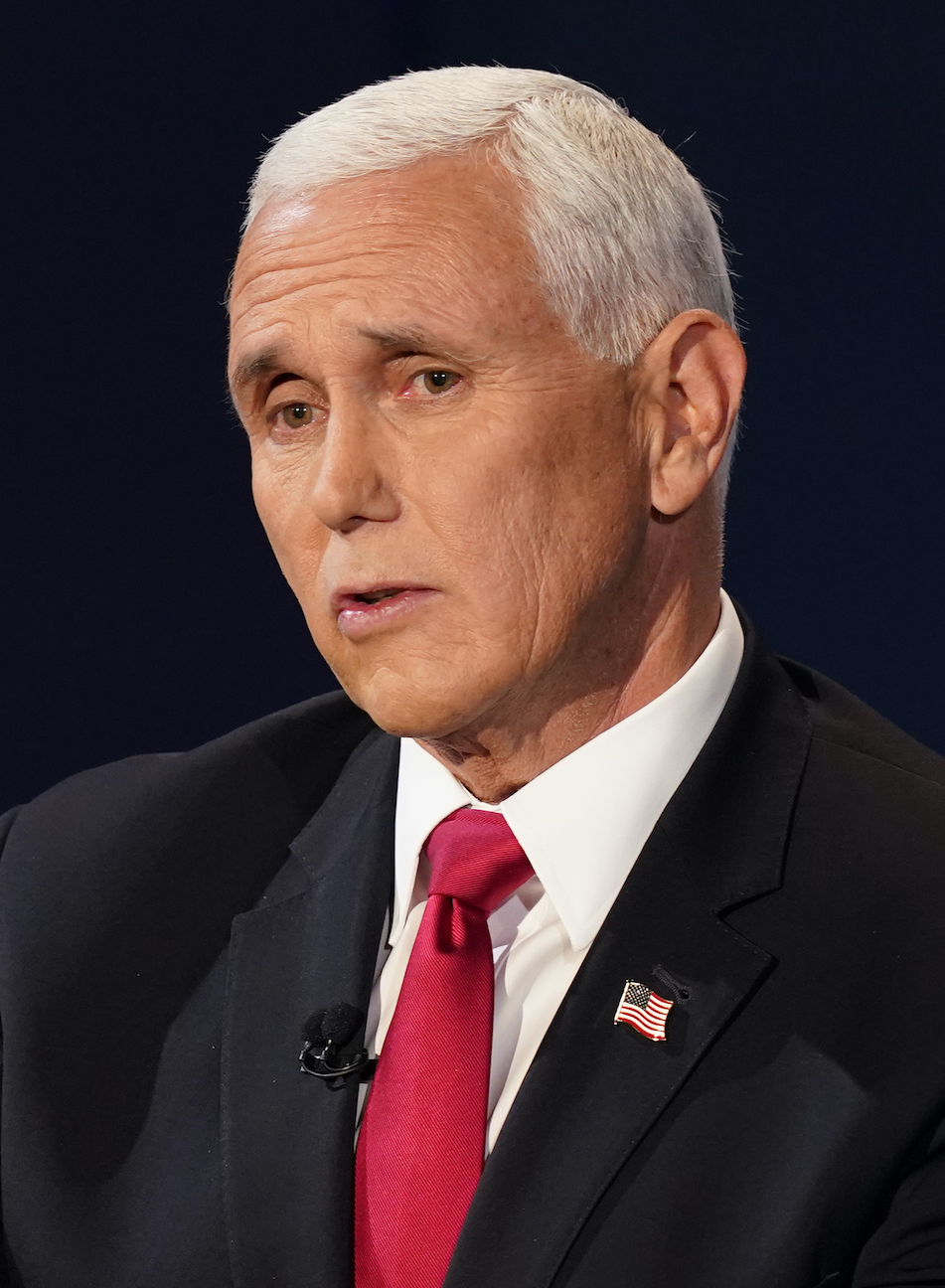
“I actually pushed the Deficit Reduction Act. That was the last time we actually reduced the national debt in the United States, when I was…
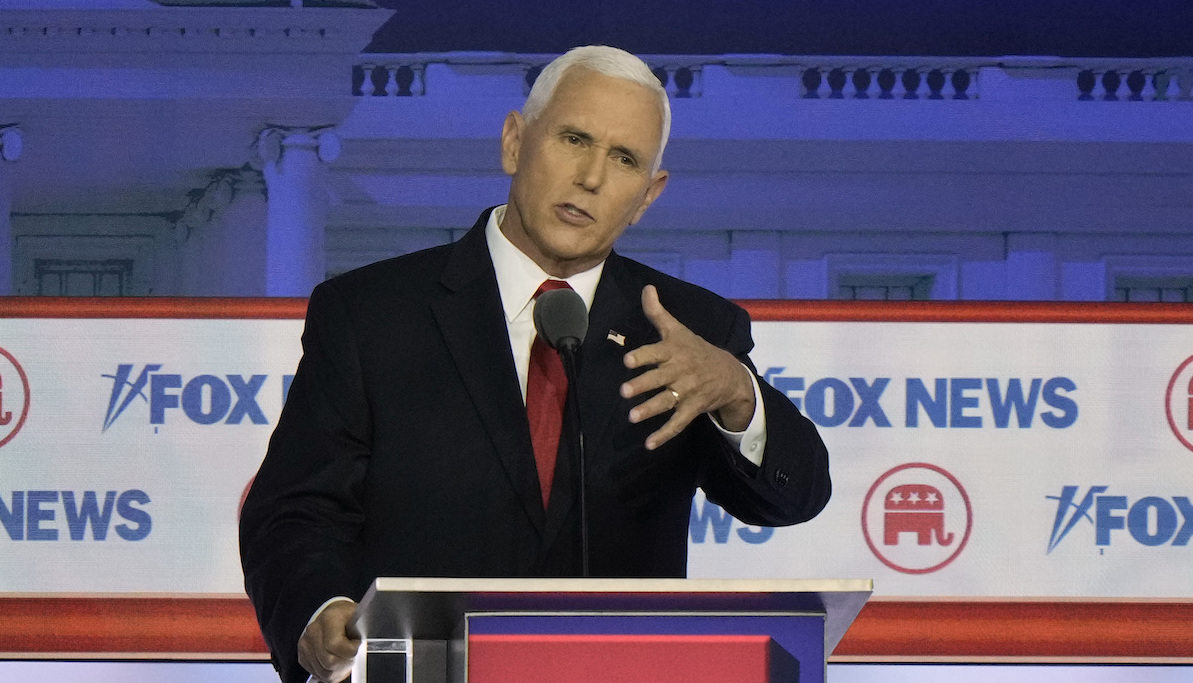

Mike Pence off base about his policies aiding last U.S. debt decrease
If your time is short
-
Pence was a U.S. representative from Indiana in 2005 when he voted for the Deficit Reduction Act, which then-President George W. Bush signed.
-
The U.S. last reduced its debt on a sustained basis from 1996 to 2001. This was largely before Pence entered Congress, and half a decade to a decade before the law he referred to passed.
-
The annual deficit, which is not the same as the debt, declined in 2006 and 2007, but those were not the most recent deficit declines. The declines from 2012 to 2015 were later and larger, and occurred mostly after Pence had left the House.
During the first Republican presidential primary debate in Milwaukee, former Vice President Mike Pence touted his record of fiscal responsibility.
“I actually pushed the Deficit Reduction Act,” Pence said Aug. 23 at Fiserv Forum. “That was the last time we actually reduced the national debt in the United States, when I was the leader of House conservatives.”
Pence is correct that a bill called the Deficit Reduction Act was passed in 2005 and later signed by then-President George W. Bush. Pence, then a House member from Indiana serving as president of the Republican Study Committee, a group of House conservatives, voted for the measure.
But was this “the last time we actually reduced the national debt in the United States”?
We asked Pence’s team about the claim but received no clarifying information.
Our review of the national debt data showed Pence’s statement was wrong. With a few exceptions in recent U.S. history, the debt has gone in only one direction: up.
The last time the federal debt had any significant downward movement was for a few years starting in the mid-1990s.
From the first quarter of 1996 to the second quarter of 2001, the publicly held debt declined by about 13%.
Pence joined the House only at the end of that period.
Using raw dollars, the only time the debt was reduced “was in that short time frame,” said Steve Ellis, president of Taxpayers for Common Sense, a group tracking the federal budget. “Otherwise the nation has consistently run budget deficits, which adds to the debt.”
Since the late 1990s, the publicly held debt has risen consistently, with just a few exceptions.
The debt has declined in 10 of the 80-plus quarters since the middle of 2001. The publicly held debt dropped in the second quarter of 2005, 2006, 2007, 2008, 2013, 2014, 2015, 2017, and 2019.
That’s important because the second quarter is when many Americans pay their tax bills to the Internal Revenue Service, leaving the federal Treasury flush with cash — and the government with less need to take on debt. In every case, the subsequent three quarters returned to rising debt levels, wiping out each second-quarter debt reduction.
The remaining quarter of those 10 — the third quarter of 2021 — experienced declining debt for murkier reasons, potentially related to the effects of the COVID-19 pandemic.
In any case, the frequency of this pattern — declining debt in the second quarter, followed by rising debt in the next three — suggests that patterns of tax payments caused these declines in the debt level, not any legislation that Pence backed.
Meanwhile, gross federal debt, a broader debt metric, has also increased year-by-year over the same time period. (Gross federal debt takes publicly held debt and adds to it the borrowing by one part of the government from another part of the government.)
Although Pence’s team provided no evidence or clarifying explanation, it’s possible he was referring to declines in the deficit, which is not the same as the debt. The debt is the accumulation of all past deficits, minus any past surpluses. It’s possible to cut the annual federal deficit without reducing the federal debt; a smaller deficit simply means that less money gets piled onto the debt. This produces slower growth of the debt, but it’s not a debt reduction.
After the 2005 bill, the deficit shrank in 2006 and 2007, but it rose again in 2008, the year the Great Recession began. But even if Pence meant deficit when he said debt, the U.S. saw greater annual reductions in the deficit from 2012 to 2015, following enactment of broad spending caps.
Pence was in the House of Representatives in 2012, but he was running for governor that year. He won the Indiana governorship in November and took office in January 2013.
Our ruling
Pence said, “I actually pushed the Deficit Reduction Act. That was the last time we actually reduced the national debt in the United States, when I was the leader of House conservatives.”
Pence voted for the Deficit Reduction Act in 2005 when he was a U.S. representative and leader of the Republican Study Group, a group of House conservatives.
However, that didn’t produce a sustained decline in debt. The U.S. last saw a sustained decline in debt from 1996 to 2001. This was largely before Pence entered Congress, and half a decade to a decade before the law he mentioned was passed.
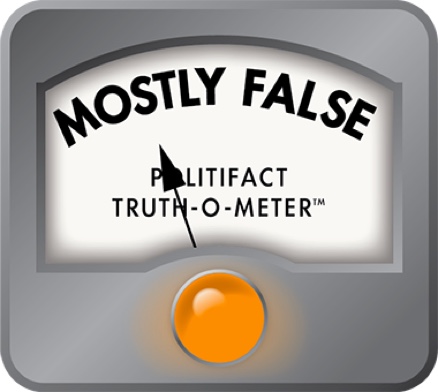
We rate the statement Mostly False.
Our Sources
Mike Pence, remarks at a Republican debate, Aug. 23, 2023
Federal Reserve Bank of St. Louis, federal debt held by the public, accessed Aug. 25, 2023
Federal Reserve Bank of St. Louis, gross federal debt, accessed Aug. 25, 2023
Office of Management and Budget, "Table 1.1—Summary of Receipts, Outlays, and Surpluses or Deficits (-): 1789–2028," accessed Aug. 25, 2023
Congress.gov, S. 1932 - Deficit Reduction Act of 2005
House roll call vote on S. 1932, Dec. 19, 2005
Republican Study Committee, history page, accessed Aug. 25, 2023
Committee for a Responsible Federal Budget, Understanding the Sequester, accessed Aug. 25, 2023
PolitiFact, "Fact-checking Joe Biden on paying down the federal debt," May 13, 2022
Statement to PolitiFact from the Pence campaign, Aug. 28, 2023
Email interview with Steve Ellis, president of Taxpayers for Common Sense, Aug. 28, 2023