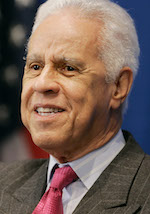
“When I became mayor of the City of Richmond in 2004, the crime rate was at its highest. When I left in 2008, it was…

Wilder is half-right about his crime record as Richmond’s mayor
If your time is short
- Doug Wilder did not inherit a record high crime rate when he became mayor of Richmond, Va. in January 2005. The rate had been much higher in the 1990s.
-
When Wilder stepped down as mayor at the start of 2009, Richmond’s overall crime rate was at its lowest level since 1995, which is the farthest back we could find comprehensive records.
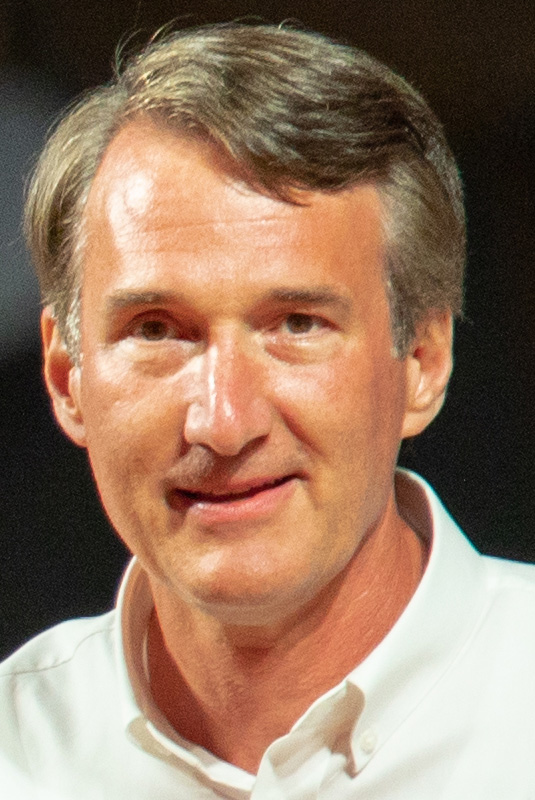
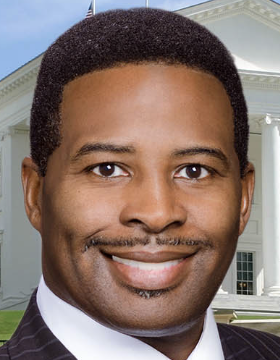
Former Gov. Doug Wilder says he’s “very concerned” about crime in Richmond and the city should rededicate itself to public safety strategies from his days as mayor.
“When I became mayor of the City of Richmond in 2004, the crime rate was at its highest.” he said during a Jan. 3 WRVA radio interview. “When I left in 2008, it was at its lowest.”
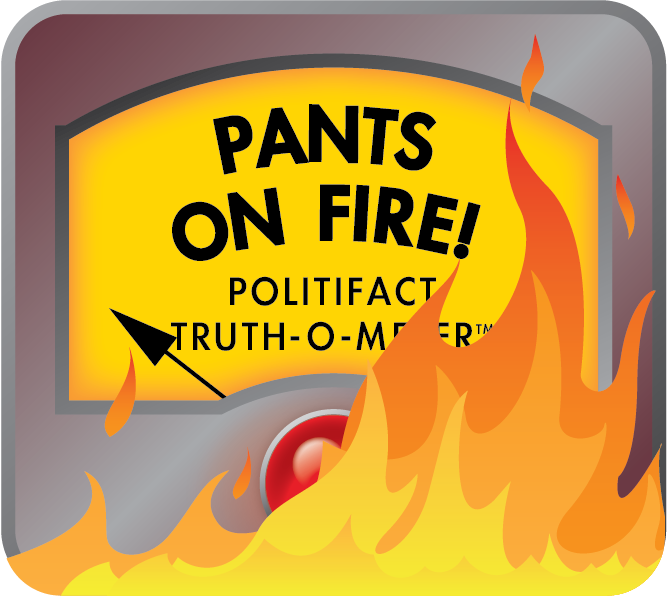
We fact-checked Wilder’s claim and found it partially correct.
Wilder did not inherit the highest crime rate in Richmond history when he became mayor on Jan. 2, 2005. The city’s overall crime rate was significantly higher in the 1990s, as were the rates for violent crime and murder. They had been on a slow decline for at least 10 years when Wilder became mayor, according to FBI data.
But Wilder is right that when he stepped down as mayor on the first day of 2009, the city’s crime rate was at a low point – at least since 1995, which is the earliest comprehensive data we found. So were the rates for violent crime and murder.
Wilder acknowledged to us that he misspoke about inheriting Richmond’s highest crime rate and offered clarification. “The crime rate was increasing when I became mayor and decreasing when I left,” he said.
Again, he’s partially right. For history’s sake, let’s take a deeper look.
Wilder’s record
U.S. crime rates soared in the early 1990s and many experts largely blamed it on the crack cocaine epidemic.
Richmond’s overall crime rate in 1995 (again, the earliest record we could find) was 103 offenses per 1,000 residents, according to our computations from FBI data. That is the highwater mark moving forward.
The rate, with a couple of blips, dropped over the next nine years and stood at 80 crimes per 1,000 residents in 2004, the year before Wilder became mayor. It continued to fall throughout Wilder’s term and in 2008, his last full year, the rate was 48 crimes per 1,000.
In 2019, the last year FBI records are available, Richmond’s rate was 40 crimes per 1,000 residents.
The violent crime rate was 27 per 1,000 residents in 2004 and dropped to 16 per 1,000 in 2008. In 2019, the rate fell to 11.
Richmond’s murder rate was .47 per 1,000 when Wilder became mayor and .16 when he left – a low mark since 1995 that still stands. The number of murders fell from 93 in 2004 to 31 in 2008.
Crime rates fell in many U.S. cities during Wilder’s tenure as Richmond’s mayor. Richmond’s drop was steeper than each of three cities we researched: New York, Detroit and Los Angeles.
A December 2008 article in the Richmond Times-Dispatch attributed Richmond’s lowered rates to community-based policing strategies employed by then-Police Chief Rodney Monroe, a “drastic increase in police manpower,” and prosecutors seeking tougher sentences in court.
The Richmond Police Department reported 98 murders in 2021, the most in 24 years, and Wilder says Richmond should recommit to his strategies.
“It goes beyond murder,” he told us. “It goes to actual shootings. Not a day goes by that you don’t read about someone getting shot.”
“It takes a village to fight crime,” Wilder told us.
A review of recent research on how policing affects crime rates, conducted by the Richmond branch of the Federal Reserve last year, found that increases in police presence have been shown to drive down crime. However, the conclusion of the article contained a caveat.
“Crime is an outcome of multiple factors. Education, employment opportunities, poverty, access to housing and health services, food deserts, and many other factors play important and complementary roles in determining crime levels.” The study said “a holistic and comprehensive approach to address the problem of crime prevention seems to be the most reasonable course of action.”
The murder surge reflects a national trend. The U.S. saw a 29% increase in homicides in 2020, the largest rise since the start of national record keeping began in 1960. Preliminary figures suggest murders may have increased by another 10% in 2021.
Experts largely attribute the surge to isolation and economic distress caused by COVID-19 as well as conflicts stemming from social media use.
Our ruling
Wilder said, “When I became mayor of the City of Richmond in 2004, the crime rate was at its highest. When I left in 2008, it was at its lowest.”
Wilder did not inherit a record high crime rate when he became mayor in January 2005. The rate was much higher in the 1990s and had been ebbing.
When Wilder left office at the start of 2009, Richmond’s overall crime rate was at its lowest level since 1995, which is the farthest back we could find records.
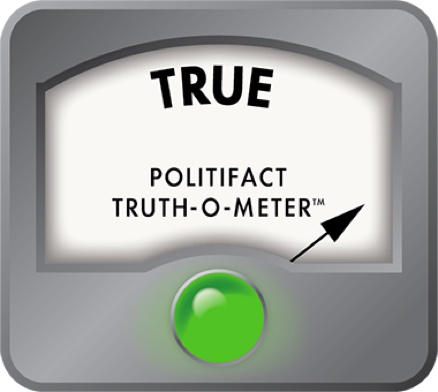
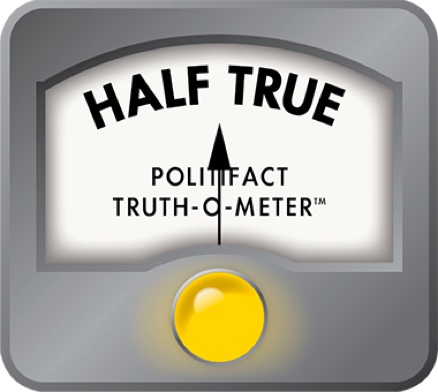
We rate Wilder’s statement Half True.
Our Sources
Doug Wilder, WRVA interview, Jan.3, 2022 (2:20 mark)
FBI, "Crime in the United States," Offenses reported charts for Virginia, 1995-2019
Virginia State Police, "Crime in Virginia" publications, 1999-2020
Interview with Doug Wilder, Jan. 5, 2022
The Atlantic, "What Caused the Great Crime Decline in the U.S.?,"
macrotrends, Crime rate charts for U.S. cities, accessed Jan. 5-6, 2022
Richmond Times-Dispatch, "Richmond's homicide rate on pace to reach 37-year low," Dec. 7, 2008
Times-Dispatch, "'Our children are dying': Richmond on track to end year with a 17-year high in number of homicides," Dec.25, 2021
Richmond Police Department, Crime Incident Information, accessed Jan 5-6. 2022
The New York Times, "Murder Rose by Almost 30% in 2020. It’s Rising at a Slower Rate in 2021."