“South Korea sprays rioters with dye so they can be identified & arrested later.”

South Korea stopped spraying protesters with dye to mark them for future arrest
If your time is short
-
South Korea stopped using dye to mark protesters in 2015.
-
Human rights groups have criticized the practice as an invasive form of surveillance.
-
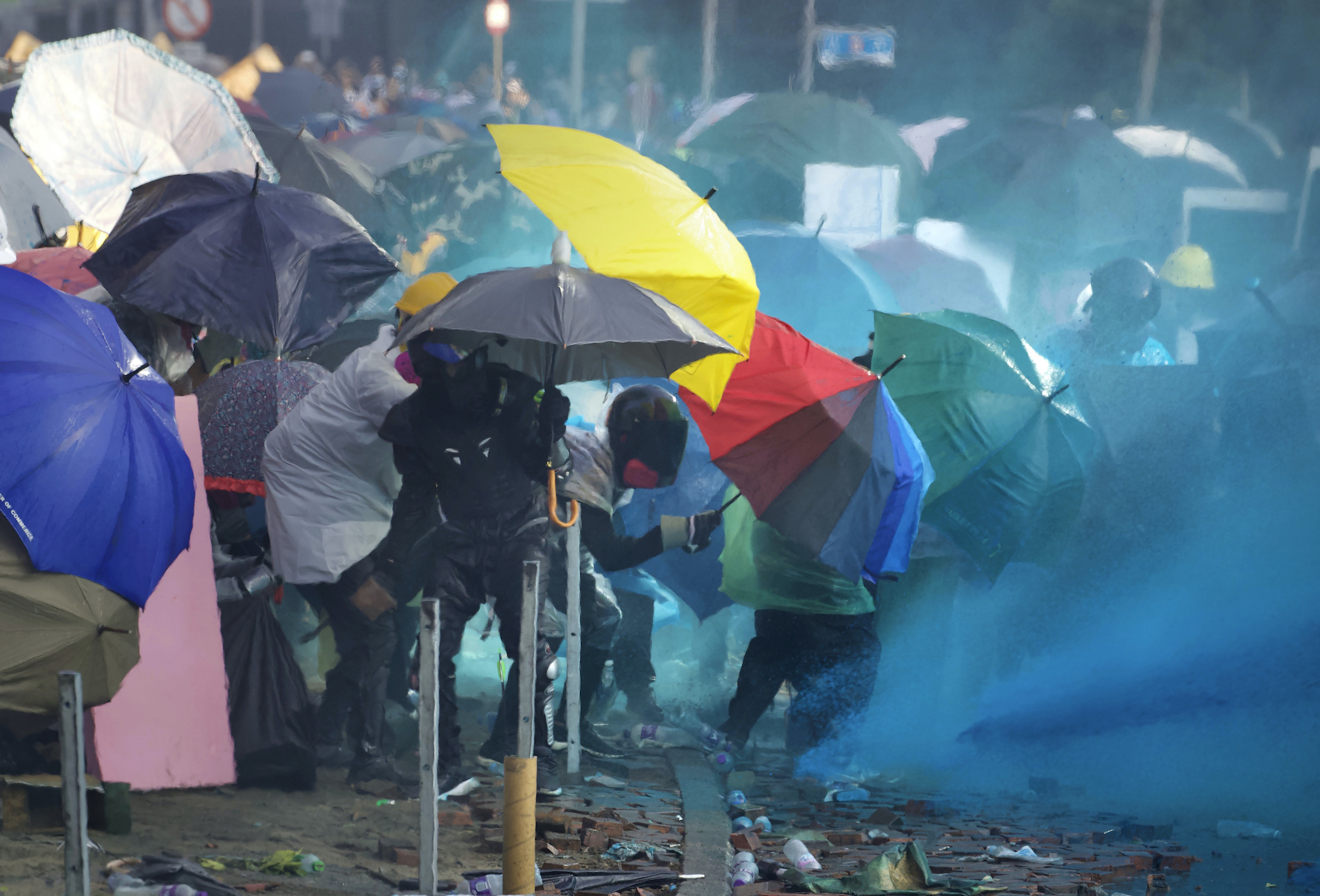
Hong Kong police used dye cannons on protesters demonstrating last year against the Chinese government.
A Facebook post shared over 3,000 times falsely claims that South Korean police spray rioters with dye to mark them for later arrest.
“South Korea sprays rioters with dye so they can be identified & arrested later. Should America do the same?” the post reads.
Korea used dye to mark protesters in the past during a pro-unification rally in 1998, a protest against U.S. President George W. Bush in 2008, and anti-police-brutality rallies. However, it stopped the practice in 2015.
In June, a spokesperson for the Korean National Police Agency told AFP, “No such dye has been used in protest control.”
Such dyes were used in Hong Kong as recently as last year against demonstrators protesting a law that would have allowed extraditions to mainland China.
Similar posts falsely attributing the use of dye to Japanese police feature photographs taken in Hong Kong during police crackdowns.
The use of dye against protesters has also been recorded in Uganda, India, Hungary and apartheid-era South Africa. Human-rights groups have criticized the practice, calling it an invasive surveillance tool and comparing it to public shaming.
Our ruling
A Facebook post reads, “South Korea sprays rioters with dye so they can be identified & arrested later.”
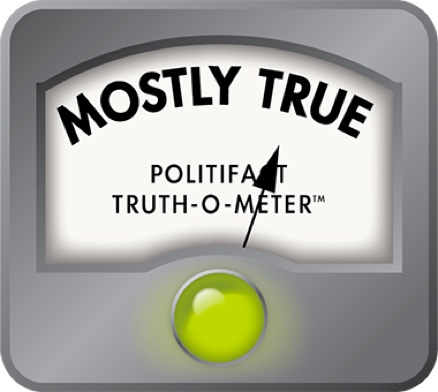
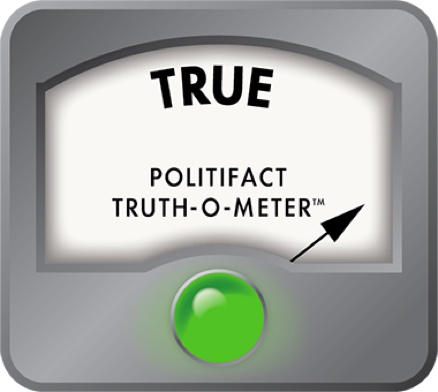
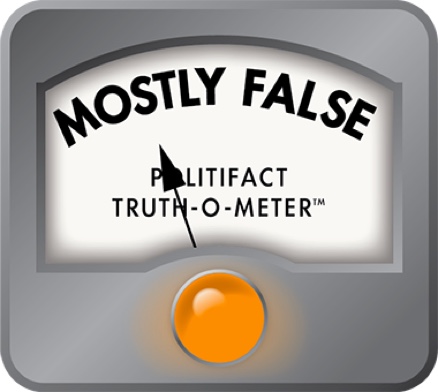
South Korea used dye to mark protesters in the past, but stopped using dye cannons in 2015. We rate this post Mostly False.
Our Sources
AFP, "Misleading claim circulates that South Korean police spray purple dye on protesters to mark them for arrest," July 10, 2020
AP, "South Korea: Police bomb protesting students with yellow dye," Aug 16, 1998
The Atlantic, "Hong Kong’s protests have cemented its identity," Aug. 18, 2019
Open Democracy, "White-washing the water cannon: salesmen, scientific experts and human rights abuses," Feb. 25, 2014
Daily Mail, "Riot of colour: Ugandan police use water cannon to spray protesters with PINK dye," May 11, 2011
Facebook post, Aug. 29, 2020
Facebook post, June 22, 2020
Slate, "Purple water cannons," Jun. 12, 2008
Time, "Purple rain protest in Cape Town, 1998," Jun. 28, 2011
USA Today, "Hungarian police fire rubber bullets at anti-government rioters in Budapest," Oct. 23, 2006