A photo of Trump having a stroke is really a virus that will wipe out all information on your computer.
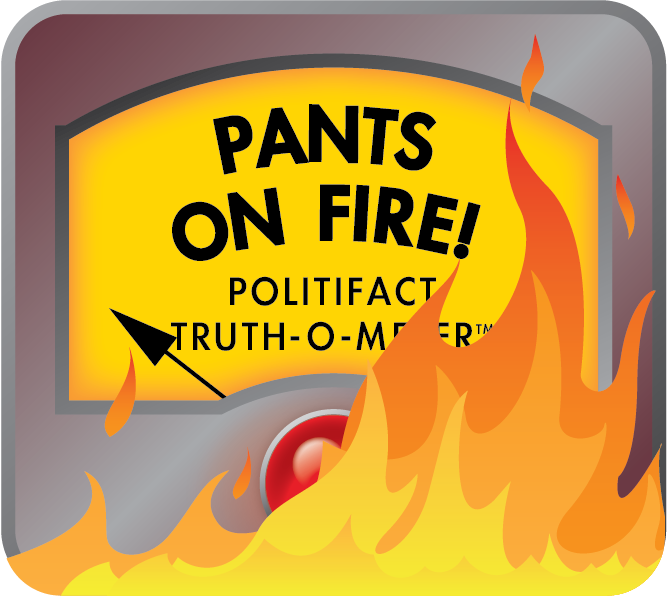

No, clicking on a photo of Trump supposedly having a stroke does not cause a virus on your computer
In the world of hacking, scammers are known to publish enticing headlines of fake breaking news or sensational photos to trick people into clicking on virus-infected links.
One warning currently circulating online is itself a hoax.
A social media “warning” post is going around that says a photo of President Donald Trump having a stroke is actually a virus that will wipe out your information if you click on it.
The message says: “There are (pics) going around of Trump having a stroke. Do not open. It will wipe out all information in your phone and computer. Pass this on.”
The post was flagged as part of Facebook’s efforts to combat false news and misinformation on its News Feed. (Read more about our partnership with Facebook.)
We could find no virus or malware scam like the one described and, for the record, Trump has not suffered from a stroke. If he had, it would have made huge domestic and international news.
Versions of the faux notice have gone around since at least early 2017. A similar false warning came in 2016, claiming that a video of Trump getting arrested would infest computers if opened. That was also false.
Sharing false warnings, for any situation, may not appear to have any drawbacks, but people should not expect such things to keep their information safe. It is important to be cautious when clicking on links and visiting new websites, especially when it involves high-profile figures.
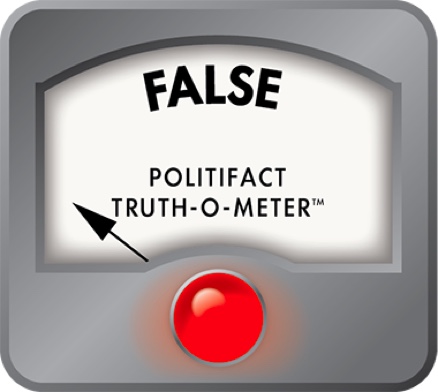
We rate the warning Pants on Fire!

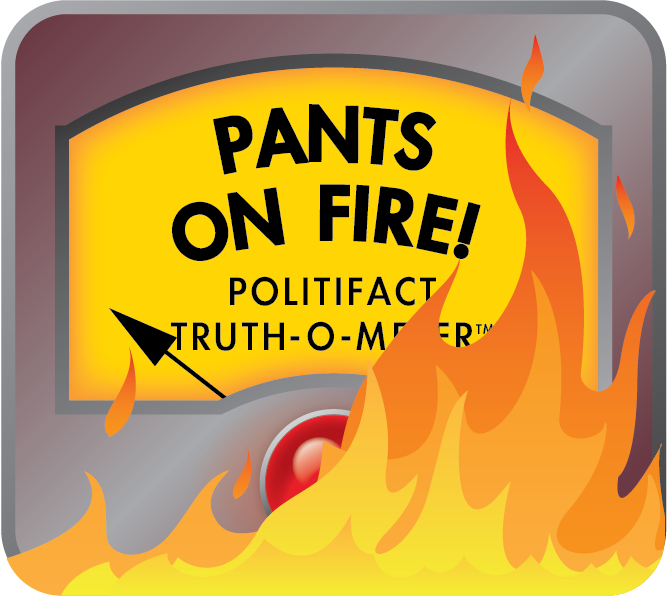 PolitiFact Rating:
Our Sources
Facebook post, Feb. 19, 2019
Norton security, Social media scams based on current events, Accessed Feb. 21, 2019
ReadersDigest, 10 Online Scams You Need to Be Aware of—and How to Avoid Them, Accessed Feb. 21, 2019
PolitiFact, Does pressing 'cancel' twice at an ATM protect your PIN from being stolen? Not likely, experts say, Jan. 22, 2019