“When I was campaigning, I was talking about 18 and 20 years (when) wages effectively went down. Now, for the first time in a long…

Donald Trump is wrong about wage trends
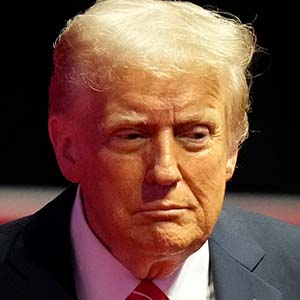
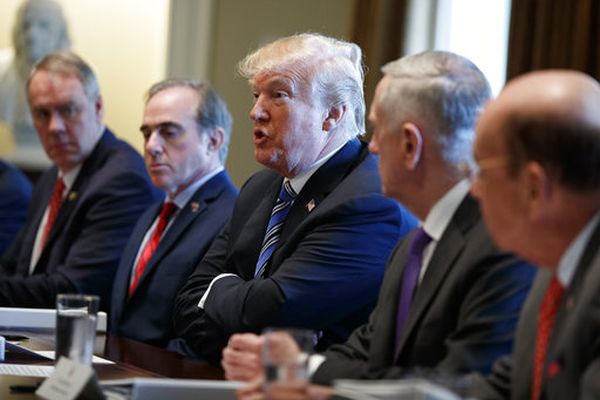
Before meeting with his Cabinet, President Donald Trump held court with the reporters assembled at the White House. Among other topics, Trump discussed some of the economic achievements on his watch:
“Wages are rising at the fastest pace in more than a decade, something that people have been waiting for, as you know. When I was campaigning, I was talking about 18 and 20 years, and wages effectively went down. Now, for the first time in a long time, they’re starting to go up for people.”
Previously, we rated a similar statement by Trump about rising wages “finally” coming “after years of wage stagnation” as Mostly False.
Trump’s recent statement is more problematic.
We looked at the data for what economists say is the best measurement — median usual weekly real earnings for full-time wage and salary workers, 16 years and over. This is a measure that tends to reflect the typical wages of people with stable employment and it is adjusted for inflation.
This figure has been calculated quarterly since 1979.
It might be reasonable to describe the overall wage pattern from the mid 1990s to the mid 2010s as “stagnant” or “unimpressive,” but it’s not the case that they “effectively went down” over those two decades.
In July 1994, median inflation-adjusted wages stood at $314. They peaked at $345 in early 2009, right before the Great Recession fully hit wages. That’s an increase of about 10 percent — not very strong over 15 years, but not a downward path, either.
Even after weekly wages bottomed out in mid 2014, they still stood at $330, or 5 percent higher than the decade before. Again — wages didn’t go down over that two-decade period.
Is it accurate that for “the first time in a long time (wages are) starting to go up?”
It is wrong for Trump to say wages are “now, for the first time in a long time” increasing under his watch. Wages had already been going up for nearly three years while Barack Obama was president, at a faster pace than the previous two decades.
The significant upward trend in wages began in 2014, almost three years before Trump was inaugurated (and even before he had declared his candidacy for president).
During the roughly three years before Trump was sworn in, median real wages rose from $330 a week to $351, or an increase of more than 6 percent.
On Trump’s watch, wages initially went up and then fell enough to wipe out the accumulated gains. A few quarters of data can be subject to statistical noise, so there is not much we can say for certain about how Trump’s actions have or have not affected wages. .
Our ruling
Trump said, “When I was campaigning, I was talking about 18 and 20 years (when) wages effectively went down. Now, for the first time in a long time, they’re starting to go up for people.”
Wage growth during the two-decade period Trump is referencing was modest, even sluggish, but wages didn’t go down over that period, even accounting for inflation. As for wages finally going up now, they rose for almost three years before Trump took office, so it’s not credible for him to imply that he deserves credit.
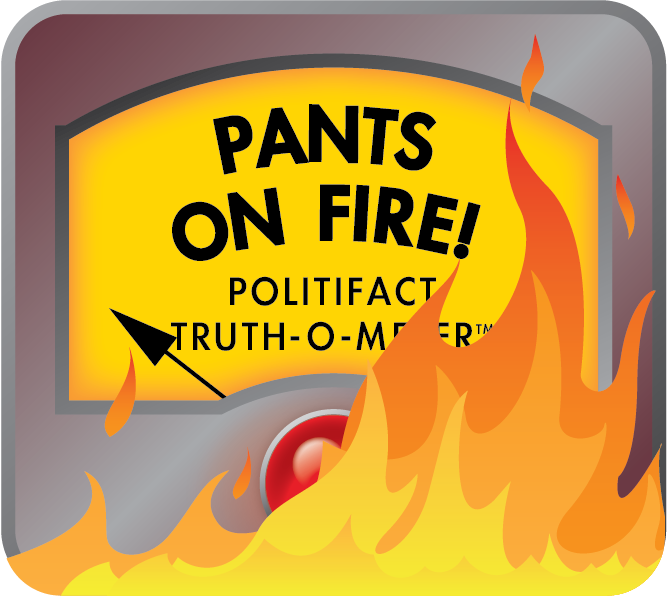
We rate the statement False.

 PolitiFact Rating:
Our Sources
Donald Trump, remarks before a cabinet meeting, March 8, 2018
PolitiFact, "Is U.S. 'finally seeing rising wages,' as Donald Trump said?" Jan. 30, 2018
Email interview with Jed Kolko, chief economist for Indeed.com, March 8, 2018
Email interview with Gary Burtless, senior fellow at the Brookings Institution, March 8, 2018