“Some countries are contributing (peacekeeping) troops because they’re making money off of them.”

Trump nominee, Nikki Haley, said countries are ‘making money’ off UN peacekeeping troops
U.S. senators asked South Carolina Gov. Nikki Haley about U.N. peacekeeping missions during her confirmation hearing to be America’s ambassador to the United Nations. They were especially concerned about the war-torn nation of South Sudan, but Haley tackled peacekeeping more broadly.
Haley said there were red flags.
“It’s been devastating to see the exploitation, the fraud, abuse that’s happening,” Haley said Jan. 18. “We have to acknowledge that some countries are contributing troops because they’re making money off of them. So if they are not willing to make sure that they are punishing the violators, then we actually need to pull that country’s troops out, because they’re harming the peace process.”
Haley was referring to cases where peacekeeping troops sexually abused the very people they were sent to protect. The most recent case involved soldiers from France, Chad and Equatorial Guinea. But it was her assertion about countries making money off of peacekeeping that caught our eye. We took a closer look.
The experts we reached agreed that yes, there is a financial incentive for certain nations. On the other hand, there was equally broad agreement that money isn’t the only factor.
A little background on peacekeeping
Under the banner of the United Nations, countries provide troops and equipment to troubled corners of the world to help them bridge the gap between conflict and stability. Right now, the U.N. has 16 operations, and nine of them are in Africa.
Between troops, police and military observers, about 100,000 personnel make up the global peacekeeping force at a cost of about $1.9 billion for the year.
Who sends the most troops? Ethiopia (8,165), Pakistan (6,774), India (6,752), Bangladesh (5,635) and Rwanda (5,125). Those five countries provide nearly a third of all peacekeepers.
Why they send troops
Money is a factor. Brett Schaefer, a Heritage Foundation analyst, told us the countries with the largest participation tend to be middle- or lower-income nations.
“Their payments to troops are low, and the amount they get from the U.N. is generally above that,” Schaefer said.
But he noted that gaining field experience, training and international prestige are powerful drivers too.
Paul Williams at George Washington University also said the money should be put into perspective: “It is very rarely, if ever the case, that this is the sole factor behind a state’s decision to contribute troops.”
For Bruce Jones at the Brookings Institution, a Washington-based academic center, India proves that point.
“It’s one of the most important contributors to U.N. peacekeeping,” Jones said. “But it no longer makes money from peacekeeping. It now loses money, but it’s still doing it. So that should tell us something.”
If there’s a red flag to be waved with the U.N.’s African peacekeeping missions, it might have more to do with complex regional politics.
Dyan Mazurana, a professor of international affairs at Tufts University, said some countries sending troops have a clear self-interest in the fate of their neighboring states.
“They are often playing a blurry role of peacekeepers, peace enforcement and being parties to the conflict, such as supporting various armed parties, selling weapons or extracting and profiting from natural resources,” Mazurana said.
None of the experts we reached found any connection between sexual assault and the payments to countries for the troops they send. They gave the U.N. credit for acting more swiftly to crack down on abuse, but they also said continued pressure is needed to ensure that the perpetrators actually face punishment.
We reached Haley’s office but never received any comment on her statement.
Our ruling
Haley said that “some countries” contribute peacekeeping troops because they make money off the U.N. payments. Every expert we reached agreed that for some nations, the financial payoff is a factor.
However, they all said that money was not the sole driver, and that countries gained military training and experience from the role they played.
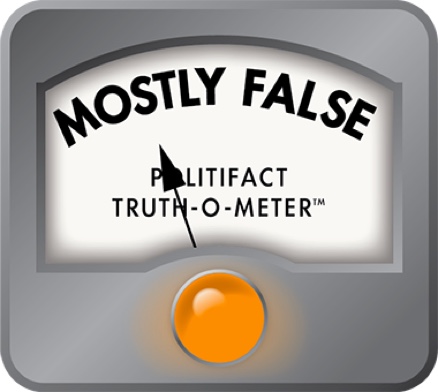
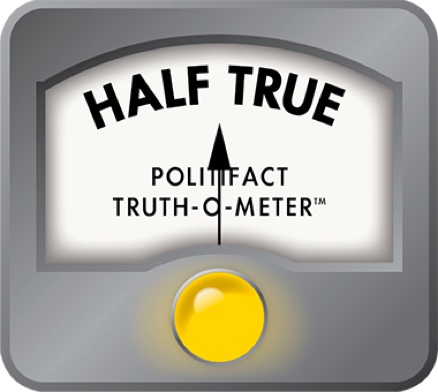
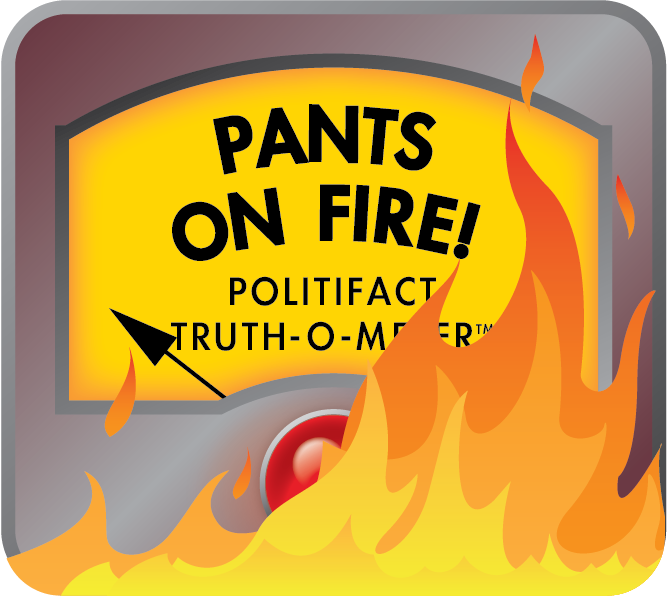
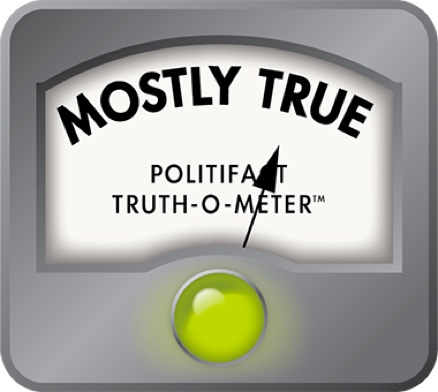
Haley offered an accurate but limited comment on peacekeeping troops. We rate this claim Mostly True.

Our Sources
C-SPAN, U.S. Ambassador to the United Nations Confirmation Hearing, Jan. 18, 2017
United Nations, Current peacekeeping operations, accessed Jan. 19, 2017
International Peace Institute, George Washington University and the University of Queensland, Providing for Peacekeeping, Country profiles
Ozy, Why one small nation plays a major role in peacekeeping, Nov. 13, 2015
New York Times, Poor Nations Fight, Rich Nations Pay, April 10, 2013
Bloomberg, The UN Peacekeepers Rape Scandal Gets Worse, June 16, 2016
United Nations, Financing peacekeeping, accessed Jan. 19, 2017
United Nations, Contributors to U.N. peacekeeping operations, Dec. 31, 2016
Interview, Brett Schaefer, senior research fellow, Heritage foundation, Jan. 20, 2017
Email interview, Dyan Mazurana, associate research professor of International Affairs, Tufts University, Jan. 20, 2017
Email interview, Paul Williams, associate professor of International Affairs, George Washington University, Jan. 19, 2017
Email interview, Bruce Jones, director, Foreign Policy Program, Brookings Institution, Jan. 19, 2017