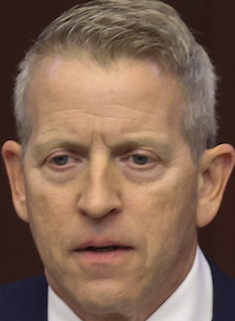
“The president’s health care law raids Medicare by more than $500 billion and creates a Medicare rationing board — a group of 15 unelected bureaucrats…
Scott Garrett claims Affordable Care Act cuts Medicare funding, creates “rationing board”
For U.S. Rep. Scott Garrett, there is one way forward on health care: Congress must fully repeal the federal law upheld by the U.S. Supreme Court this summer.
But to support that position the Republican congressman relies on some questionable facts.
“Even without the weight of this act, Medicare and Medicaid are already on the path to bankruptcy. With the Health Care Act, the situation is even worse. The president’s health care law raids Medicare by more than $500 billion and creates a Medicare rationing board — a group of 15 unelected bureaucrats — to slow the growth of Medicare spending,” Garrett wrote in a July 29 opinion column published on NorthJersey.com.
Here, we’ll assess Garrett’s claims about the law’s impact on Medicare funding and spending.
In June, PolitiFact New Jersey gave Republican U.S. Rep. Jon Runyan a Mostly False for saying there are “$500 billion in Medicare cuts required to pay for this flawed legislation.”
Garrett repeats that misleading talking point about the law, formally named the Patient Protection and Affordable Care Act but often called ObamaCare.
Medicare spending will continue to increase, just at a slower pace.
Because of changes in the law, growth in Medicare spending over 10 years will be more than $500 billion less than had been projected, according to estimates from the nonpartisan Congressional Budget Office and the Centers for Medicare and Medicaid Services.
That reduction — the biggest portion of which comes from cutting annual increases in Medicare payments to medical providers — will help offset other costs in the law.
Still, over the same decade, Medicare spending will increase.
Garrett also said in his column that the health care law creates a “Medicare rationing board” of “15 unelected bureaucrats” to “slow the growth of Medicare spending.” Though there is some truth to that statement, it needs significant clarification. Specifically, the board is restricted from making any recommendations to ration care.
The health care law creates an Independent Payment Advisory Board with 15 members, who are appointed and must have expertise in health care..
The board — a controversial provision of the law — was formed in response to national criticism that legislators have been unable to rein in Medicare costs.
The group will offer recommendations to prevent Medicare spending from surpassing certain levels. If Congress fails to act on the board’s proposals, its changes are automatically implemented.
But the law forbids the board from submitting “any recommendation to ration health care,” including raising premiums for Medicare beneficiaries or increasing deductibles. The board also can’t change Medicare eligibility requirements, restrict benefits or make recommendations that would raise revenue.
But it can decrease government payments to health care providers for services and recommend ways to cut wasteful spending.
As PolitiFact noted in a previous fact-check, some may argue that since the board can reduce the money doctors receive for giving certain treatments to Medicare patients, its decisions could result in an indirect form of rationing. But the law clearly forbids the board from directly rationing care.
Our ruling
Garrett said that the “president’s health care law raids Medicare by more than $500 billion and creates a Medicare rationing board — a group of 15 unelected bureaucrats — to slow the growth of Medicare spending.”
The national health care law does not cut funding for Medicare, though it does decrease projections for future spending growth. Spending on the program will continue to grow, but at a slower pace.
The law does create a 15-member board to prevent Medicare spending from exceeding certain growth targets, but the board is specifically forbidden from proposing any plans to ration care.
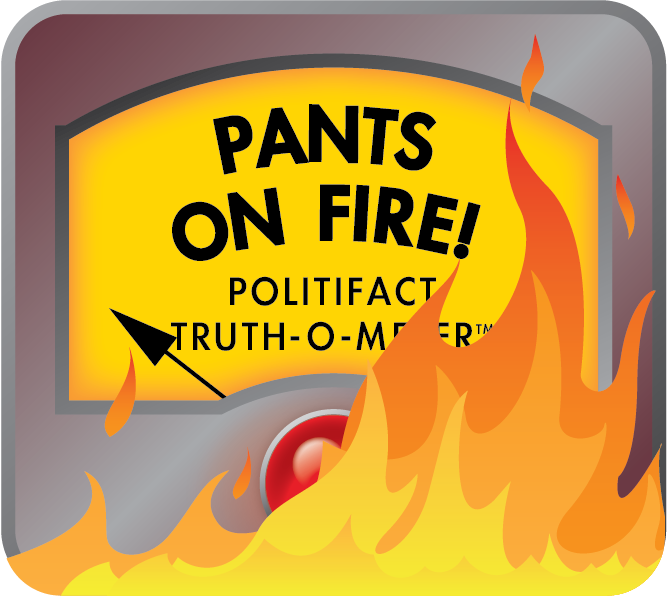
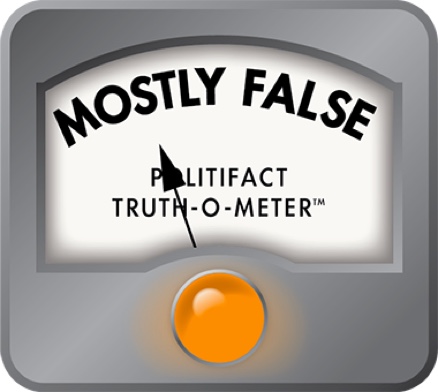
Overall, we rate this statement Mostly False.
To comment on this ruling, go to NJ.com.
Our Sources
The Record via NorthJersey.com, Opinion: Health Care Act: - Guilty as charged, July 29, 2012
PolitiFact, Pat Boone says IPAB rations care to pay for 'wasteful' spending, March 15, 2012
PolitiFact New Jersey, Jon Runyan claims Affordable Care Act cuts Medicare program by $500 billion, June 29, 2012
PolitiFact New Jersey, Senate hopeful claims Obama administration’s health care law eliminates doctor-patient relationship, March 26, 2012
PolitiFact Virginia, American Crossroads says Tim Kaine urged $500 billion in Medicare cuts, June 20, 2012
PolitiFact Florida, Chamber says Bill Nelson voted to cut Medicare $500 billion, May 9, 2012
PolitiFact, IPAB board is 15 bureaucrats who will decide for the nation, says Michele Bachmann, Oct. 12, 2011
PolitiFact Georgia, Gingrey claims federal health care board can decide if you get dialysis, chemo, Aug. 2, 2011
Interview with Amy Smith, chief of staff for U.S. Rep. Scott Garrett, July 31, 2012
Congressional Budget Office, The 2012 Long-Term Budget Outlook, June 2012
THOMAS, The Patient Protection and Affordable Care Act, accessed July 31, 2012