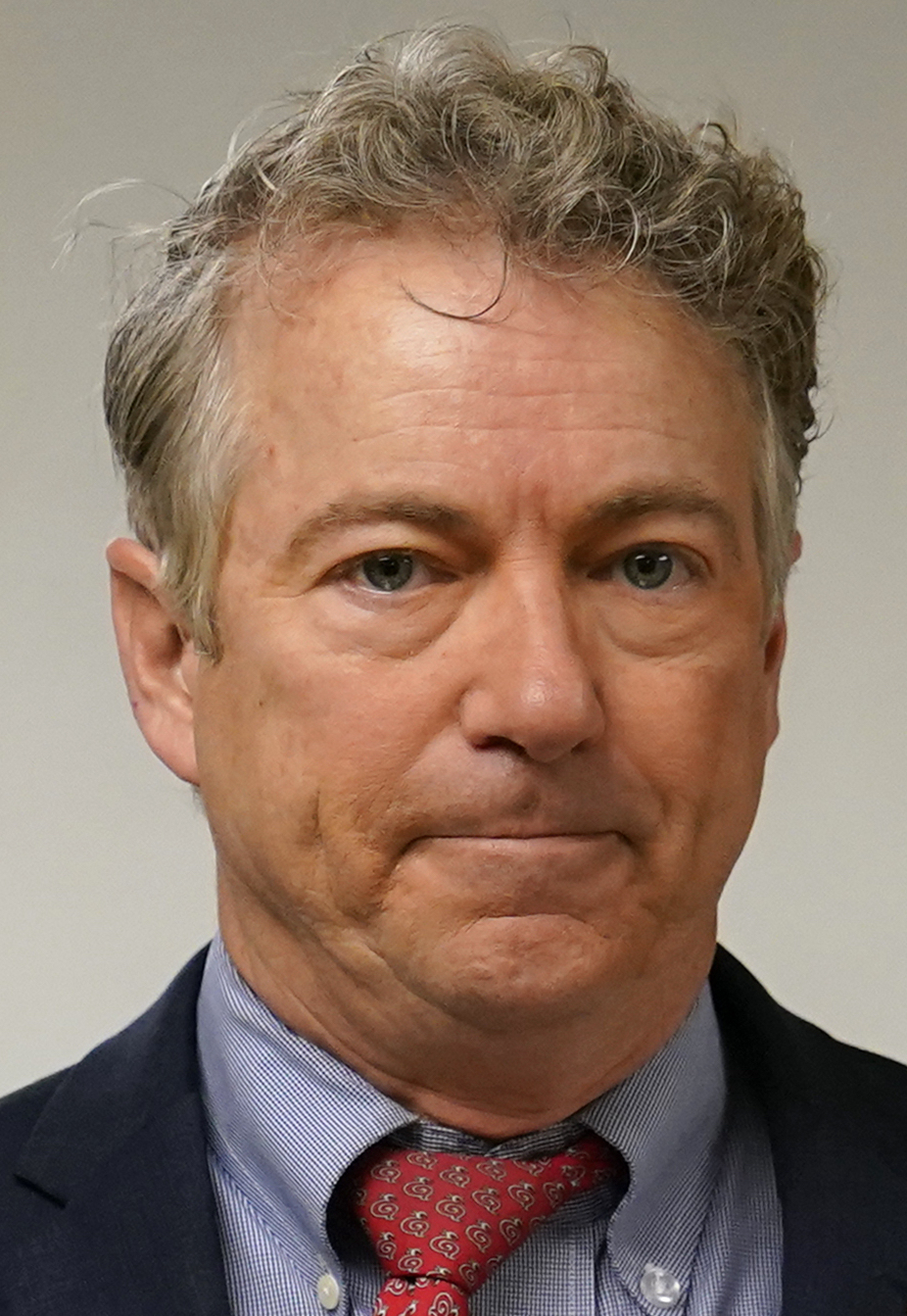
“We now consume at the federal level 25 percent of the gross domestic product. Historically we were at 20 percent. So we’ve taken 5 percent…

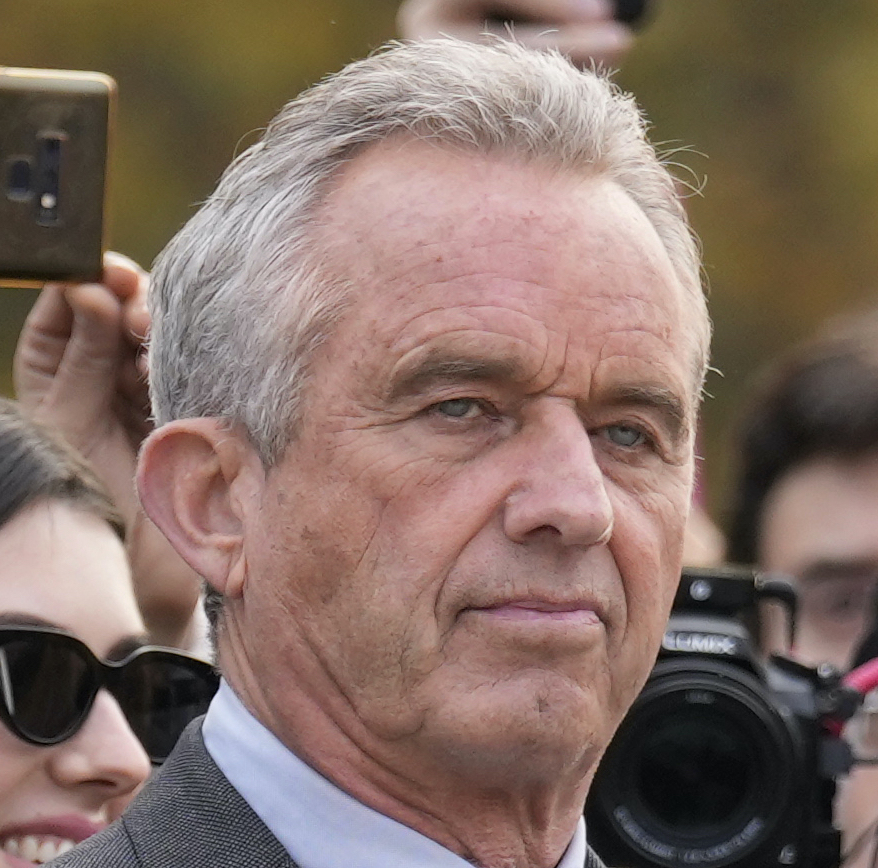
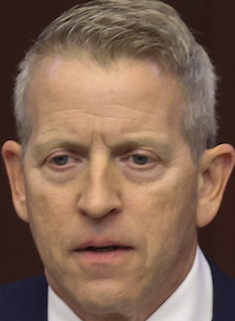
Rand Paul says federal spending has risen to 25 percent of GDP
With the rise of the fiscally conservative tea party and the recent release of a draft report by the presidentially appointed National Commission on Fiscal Responsibility and Reform, the nation’s fiscal challenges have rocketed up the list of urgent agenda items in Washington.
We’ll take a look at two comments on federal spending made on the Nov. 14, 2010, Sunday talk shows — one by Sen. Kent Conrad, D-N.D., and the other by Sen.-elect Rand Paul, R-Ky. We’ll address Paul’s here.
On CBS’ Face the Nation, host Bob Schieffer asked Paul whether he would favor eliminating the mortgage interest deduction, as the commission suggested.
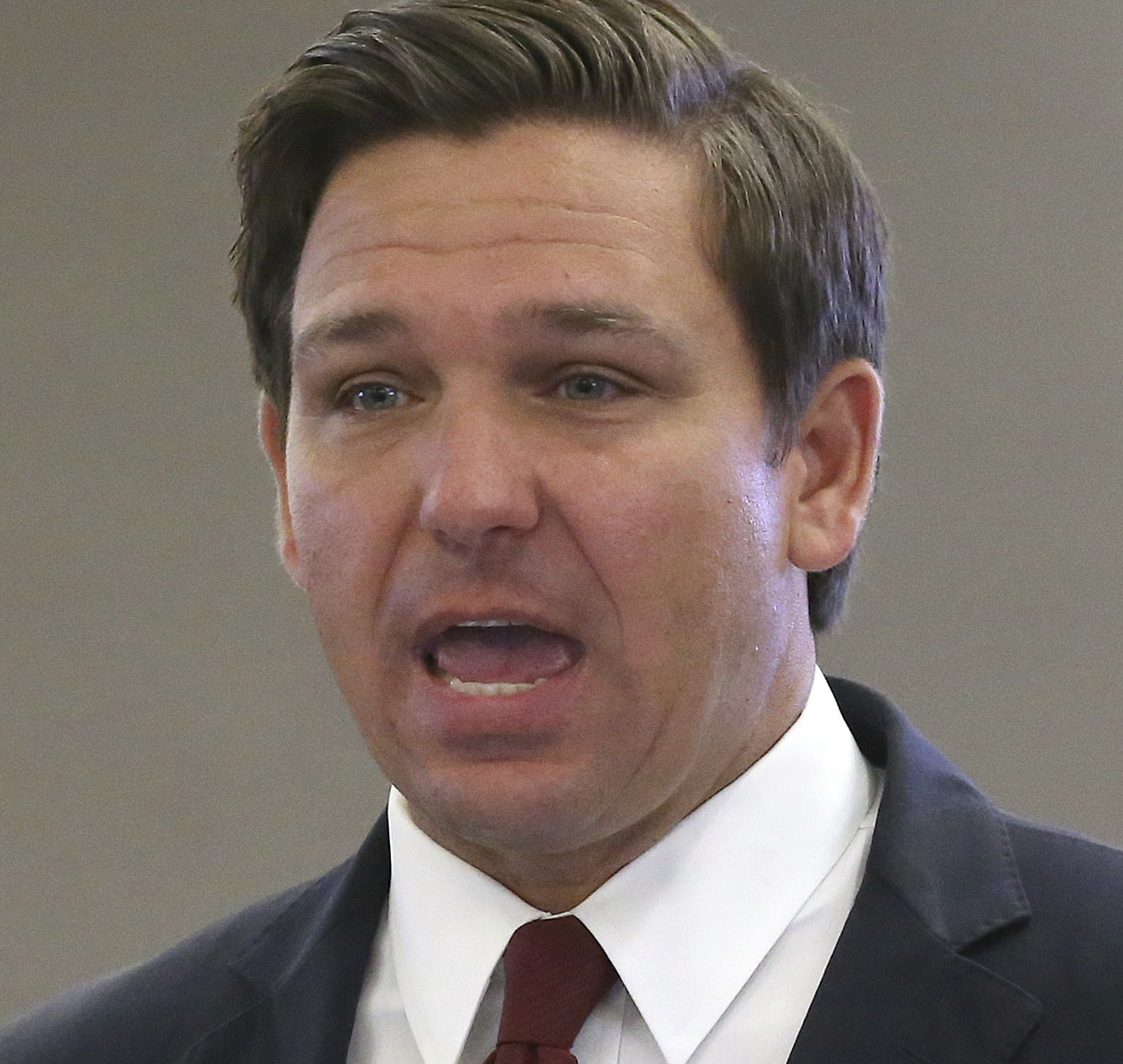
“No, once again, I’m on the other side,” Paul said. “I want to be on the side of reducing spending. So I think really the compromise is where you find the reductions in spending. But I don’t think the compromise is in raising taxes. I mean, you have to put things in perspective. We now consume at the federal level 25 percent of the gross domestic product. Historically we were at 20 percent. So we’ve taken 5 percent away from the private sector. And the private sector is the engine that creates all these jobs. I want to send that 5 percent back to the private sector.”
We’ll focus on whether Paul’s numbers are correct.
As we did with Conrad’s comment, we turned to a historical table from the Office of Management and Budget that shows tax receipts, spending and the deficit as a percentage of GDP — essentially, as a percentage of the nation’s economy as a whole.
The most recent full-year figure is for 2009, and it shows that federal spending accounted for 24.7 percent of gross domestic product that year, or 25 percent when rounded up. So Paul is correct.
The second statistic — the historical level of spending as a percentage of GDP — is slightly more complicated, but here too Paul is basically correct. Over the past 40 years, spending has averaged 20.7 percent of GDP, though it has varied a bit over the years. In both the 1970s and the decade beginning in 2000, it was almost exactly 20 percent. In the 1990s, it was slightly higher, while in the 1980s it exceeded 22 percent.
In fact, the only other years since 1950 in which federal spending exceeded 23 percent of GDP came in 1982 and 1983, with 23.1 percent and 23.5 percent, respectively. That was during and immediately after the last recession that rivaled the current one in severity, the 1981-82 recession. Economic downturns tend to affect this statistic because they slow GDP and increase the demand for government services. Even without special stimulus measures, spending goes up for mandatory items such as food stamps.
So in 1983, under a Republican president, Ronald Reagan, the government spent just 1.2 percentage points less than the current level, which suggests that the recession shouldn’t be ignored as a major reason why spending is so high.
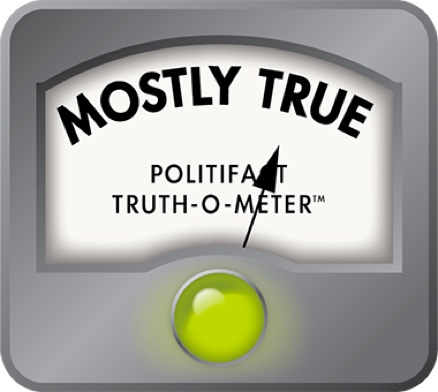
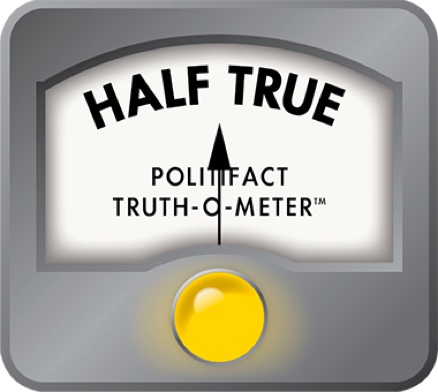
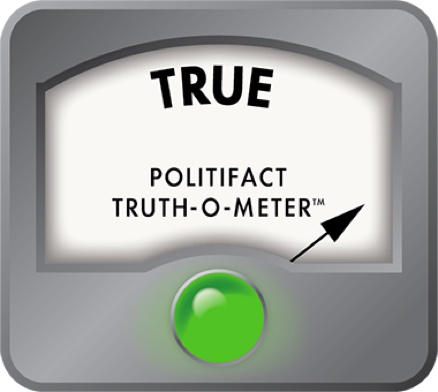
Still, Paul’s larger point is valid. Federal spending is now approximately 25 percent of GDP, and that level is roughly 5 percentage points higher than the historical pattern. So we rate his statement True.
Our Sources
Rand Paul, comments on CBS' Face the Nation, Nov. 14, 2010
Office of Management and Budget, "Table 1.2 -- Summary of Receipts, Outlays, and Surpluses or Deficits (-) as Percentages of GDP: 1930–2015," accessed Nov. 15, 2010
Interview Gary Burtless, senior fellow at the Brookings Institution, Nov. 15, 2010
E-mail interview with Doug Stafford, spokesman for Sen.-elect Rand Paul, R-Ky., Nov. 15, 2010