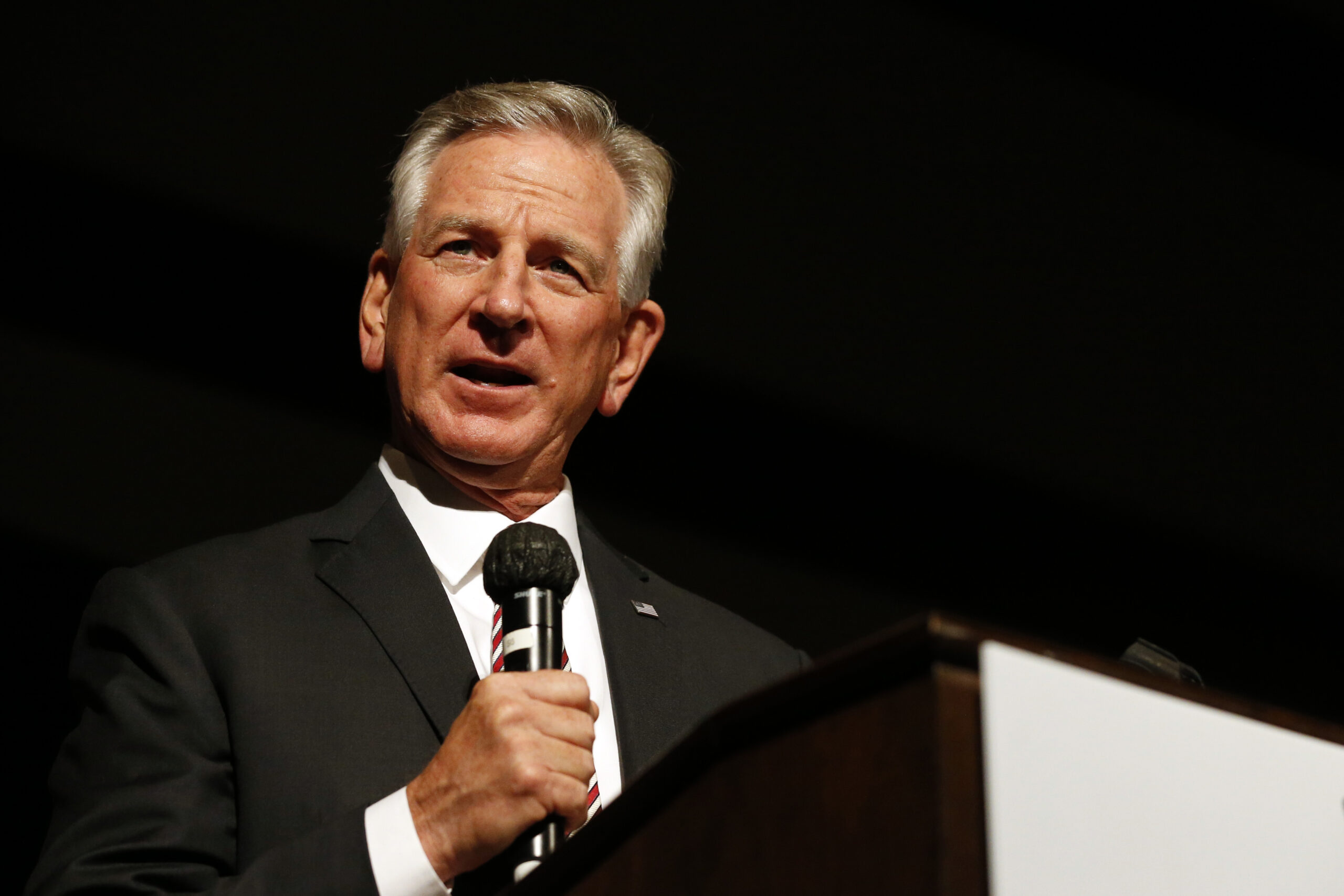
Likens Obama’s predicament to 1982, saying, “when Reagan just started out, (unemployment was at) exactly the same point. He was two years into his term.…


How similar were the recessions under Ronald Reagan, Barack Obama?
As Democrats grapple with the stagnant economy and President Barack Obama’s crumbling approval ratings, expect to hear this comparison a lot: Barack Obama in 2010 = Ronald Reagan in 1982.
On the surface, the comparison is compelling. Reagan and Obama succeeded unpopular incumbents and rode a wave of goodwill into office. During their first two years, both presidents faced brutal recessions, and their approval ratings took big hits. Reagan’s Republican Party ended up losing 26 House seats in the 1982 midterm elections (increasing the Democrats’ majority). Yet only two years later, after the economy had regained its footing, Reagan won a landslide re-election victory.
Naturally, Obama partisans hope the same will happen in 2012.
So when we heard Mary Jordan, a longtime foreign correspondent with the Washington Post, use this analogy during the roundtable segment of ABC’s This Week with Christiane Amanpour, we decided it was time for a fact-check.
Jordan said, “And remember, folks, that 1982, when Reagan just started out, it was exactly the same point. He was two years into his term. The unemployment was well over 10 percent, and it did come out of it.”
We can’t yet say how Democrats will fare in November compared with how Republicans did in 1982 and in this item we’re only examining unemployment. So we turned to the Bureau of Labor Statistics, the federal agency that calculates the unemployment rate.
In August 1982, two months before the midterm elections, the unemployment rate stood at 9.8 percent. In August 2010, it was 9.6 percent. So the numbers are remarkably similar. Even the comparative rise during each president’s term was similar. The unemployment rate rose 2.5 points between Reagan’s election and the last unemployment survey before the midterm election, compared with 3 points for Obama.
Case closed? Not really.
For one thing, in 1982, the unemployment rate only rose to “well over 10 percent,” to use Jordan’s words, in October 1982, when it hit 10.4 percent. However, this number was released after Election Day, meaning that it could not have been a factor on voters’ minds. It peaked at 10.8 percent in November and December 1982.
So while Jordan’s number is not far off, it does modestly exaggerate how high voters knew unemployment to be as they prepared to vote.
Here’s another difference — the average unemployed worker this year has been jobless much longer than in 1982.
In August 1982, the median length of unemployment was 8.7 weeks. In August 2010, it was 19.9 weeks — more than twice as long. And that’s not a blip. For nearly a year, the median duration of unemployment has ranged between 19 and 25.5 weeks.
So Jordan is right that there are some similarities between the recessions of 1982 and 2010. But she glosses over the fact that unemployment didn’t go “well over 10 percent” in 1982 until after the election, and her use of the overall unemployment rate overlooks an important factor — that workers this year are likely to have been without jobs much longer. On balance, we rate Jordan’s comment Mostly True.
Our Sources
Mary Jordan, comments during the roundtable segment of ABC's This Week with Christiane Amanpour, Sep. 5, 2010
U.S. Bureau of Labor Statistics, main unemployment data search page, accessed Sep. 7, 2010
E-mail interview with J.D. Foster, senior fellow at the Heritage Foundation, Sep. 7. 2010