Forty-five percent of Americans went without needed care because of costs in 2007.

Pascrell says 45 percent of Americans went without needed health care due to cost
The debate over reforming the U.S. health care system has inspired a torrent of often-conflicting statistics. We will look at three assertions made by Democratic Rep. Bill Pascrell of New Jersey. In this item, we will test his assertion that 45 percent of Americans went without needed care because of costs.
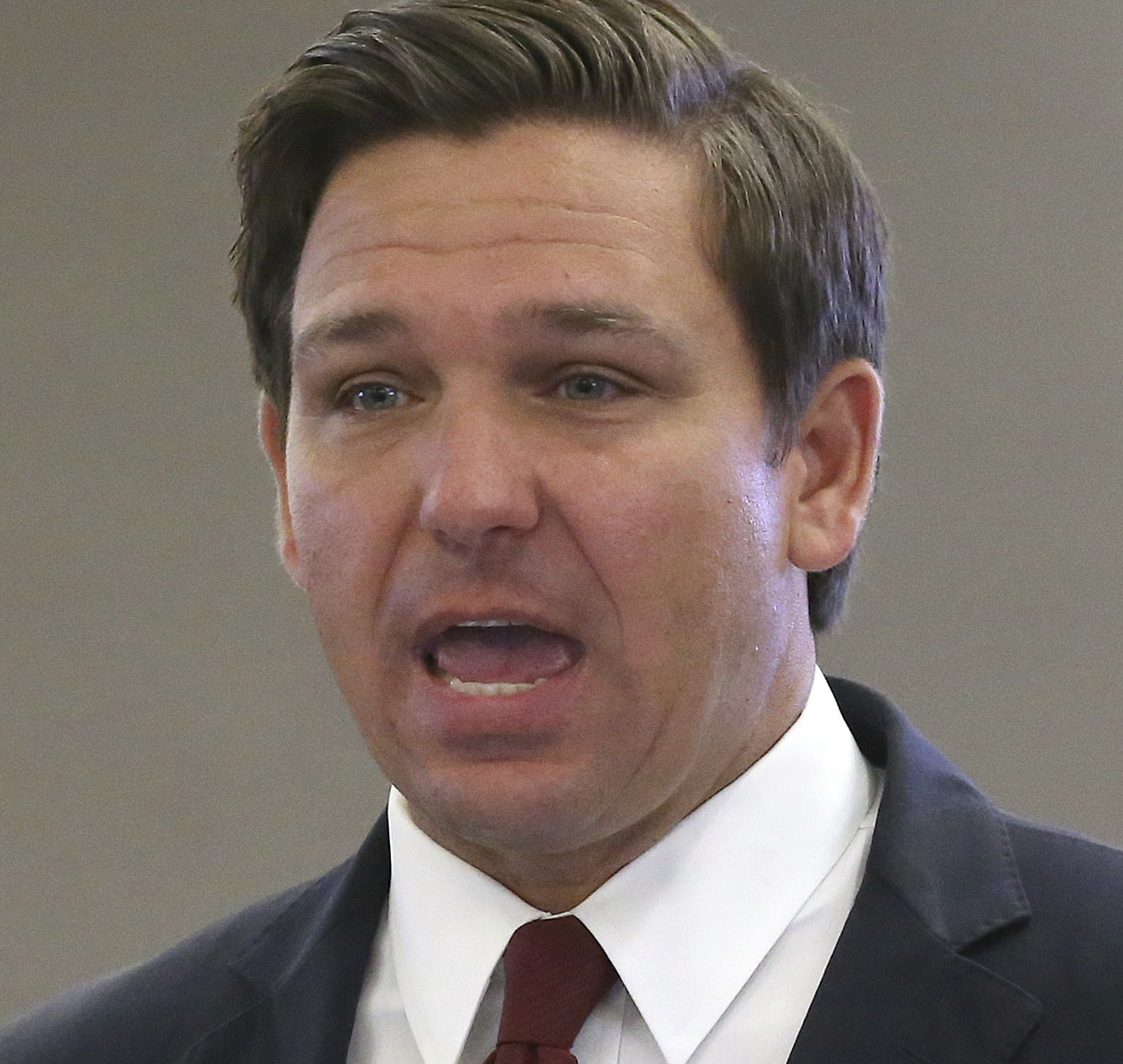
On July 28, 2009, Pascrell took to the House floor to counter assertions by Republicans and others that a Democratic bill under consideration in the chamber would lead to the rationing of health care. Pascrell’s larger point was that rationing already exists today, just a different type — thanks to the financial barriers to coverage faced by millions of Americans.
Specifically, Pascrell said: “Forty-five percent of Americans went without needed care because of costs in this country in 2007. That’s rationing. Fifty-three percent of Americans cut back on their health care in the last year because of costs. That’s rationing. … As many as 22,000 Americans die each year because they don’t have health insurance. My brothers and sisters, that’s rationing.”
We are not going to weigh in on the question of whether it’s fair to equate Pascrell’s examples of “rationing” with what the bill’s critics charge the bill would do if enacted. Rather, we wanted to gauge whether Pascrell’s numbers were sound. So we looked at these three claims individually.
The first claim comes from a biennial survey by the Commonwealth Fund, a widely respected nonprofit that studies health care policy. The survey sampled the views of 3,501 U.S. adults age 19 and older, between June 6 and October 24, 2007.
The 2007 version of Commonwealth’s survey did indeed find that 45 percent of adults aged 19 to 64 had one of four “access problems” related to cost — not filling a prescription; not seeing a specialist when needed; skipping a recommended medical test, treatment or followup; or not visiting a doctor or a clinic when they had a medical problem. That rate is notably higher than the 29 percent who reported similar actions in the 2001 survey.
Surveys, especially where participants need to recall for survey-takers what they did or didn’t do in the past, are always somewhat less reliable than research methodology that checks verifiable facts. “As a survey it’s reasonable, but surveys are inherently imperfect yardsticks for this kind of policy research,” said Ed Haislmaier, a scholar at the conservative Heritage Foundation.
Moreover, the numbers are now two years out of date. (The next Commonwealth survey is scheduled for release later this year.) And it’s obvious, but worth noting, that individually, the rates for each of those four actions was quite a bit lower than 45 percent: 31 percent of respondents didn’t fill a prescription, 31 percent didn’t go to a doctor or clinic for a medical problem, 25 percent skipped a test, treatment or followup, and 20 percent didn’t see a specialist.
Still, we do not believe these problems detract in any serious way from the congressman’s claim, but they are worth noting. These are the most recent numbers available from Commonwealth — and it’s hard to imagine that the rates of access problems would have dropped precipitously since the 2007 poll was taken. Back then, the national unemployment rate was averaging 4.7 percent. Today, it’s almost twice that.
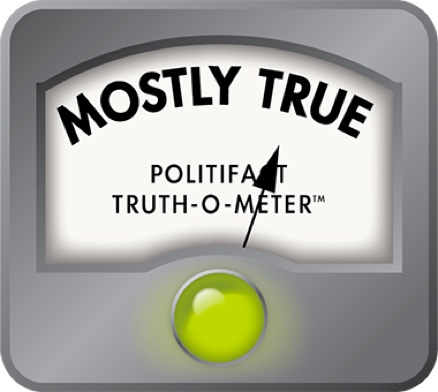
We rate this claim by Pascrell to be Mostly True.