North Carolina “always had nonpartisan judicial races, and when the Republicans took over several years ago they changed it.”

Democrat wrongly says NC ‘always had nonpartisan judicial races’ until Republicans took over
A North Carolina legislator’s recent complaint about judicial elections featured an inaccurate claim about their history.
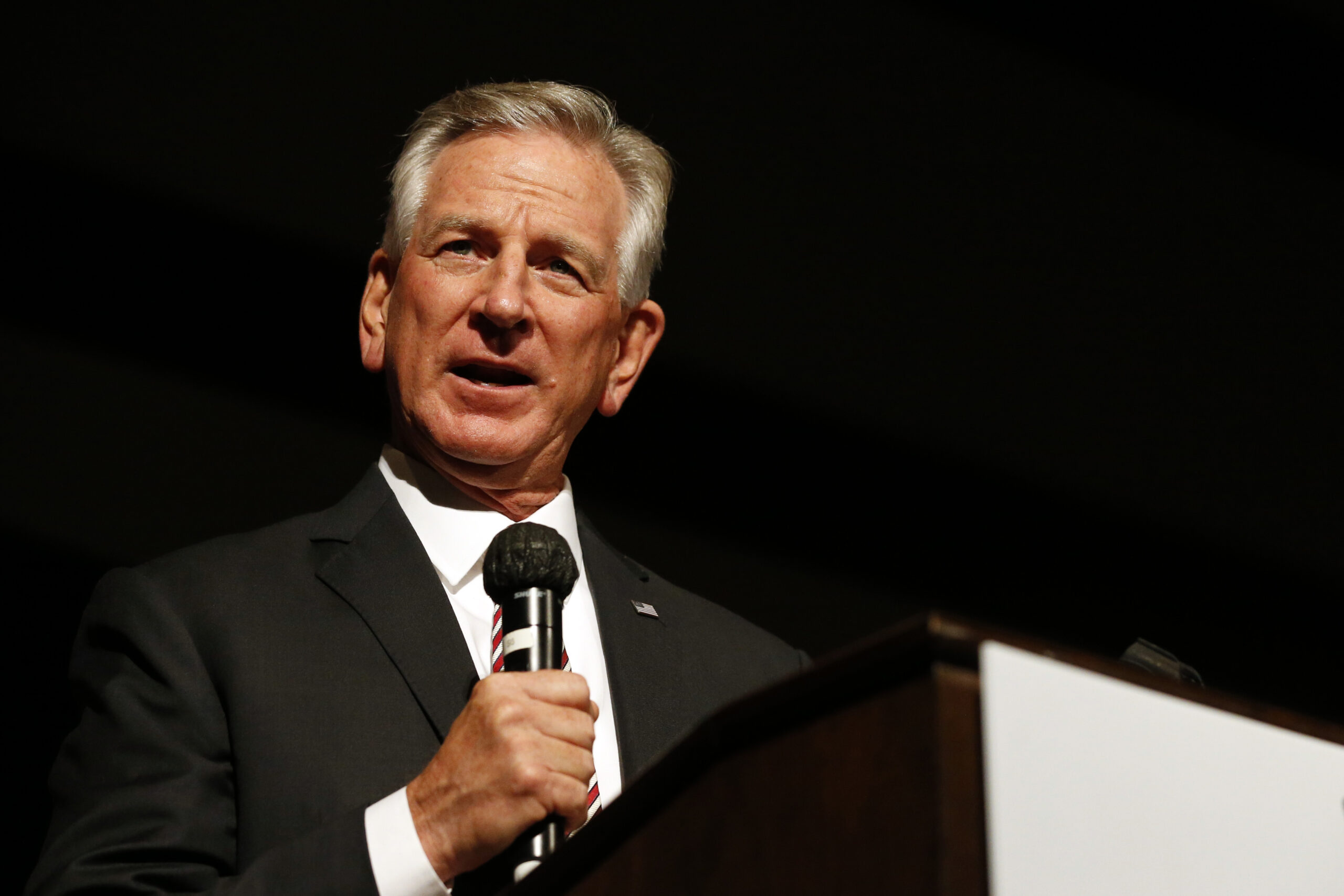
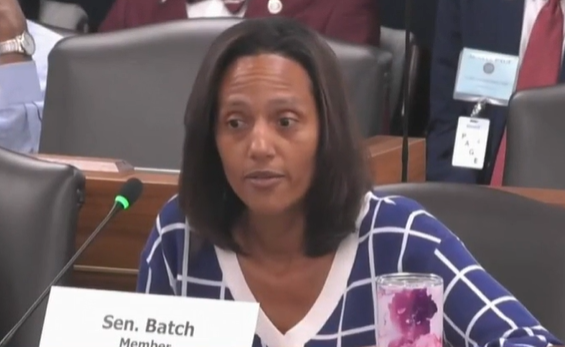
State Sen. Sydney Batch, a Wake County Democrat who is the chamber’s minority leader, recently introduced a bill to make North Carolina’s judicial elections nonpartisan.
North Carolina’s judicial races are receiving extra attention this year because the November election for an open North Carolina Supreme Court seat remains uncertified. Republican Judge Jefferson Griffin is challenging the eligibility of 60,000 voters who cast ballots in his race against Democrat incumbent Justice Allison Riggs, who received 734 more votes than Griffin, recounts showed.
Batch discussed her bill during a Feb. 28 appearance on a WUNC-FM podcast. In it, she accused her Republican colleagues of politicizing the court.
“In North Carolina, and in its history, we always had nonpartisan judicial races, and when the Republicans took over several years ago they changed it,” Batch said.
Republican legislators in recent years made formerly nonpartisan judicial races partisan by requiring that candidates’ party affiliations appear next to their names on ballots. But Batch’s description of the court’s longer history is inaccurate.
Switching back and forth
North Carolina first started electing judges after the Civil War, said Michael Crowell, author of a judicial elections history report for the University of North Carolina School of Government.
“It was seen as a one of many democratic reforms,” Crowell said. “And those were partisan elections. The idea of nonpartisan elections just didn’t cross anybody’s mind.”
The voting process was different during Reconstruction than it is now, said Gerry Cohen, who wrote most of the state’s election laws during his 32-year tenure in the legislature’s bill drafting office. Party operatives would print ballots with the names of candidates on them, he said. Voters could simply take a ballot from a party operative and place it in the ballot box to vote.
“Back before literacy, the Democratic Party had a symbol and the Republican Party had a symbol,” Cohen said.
North Carolina’s judicial elections were partisan throughout most of the 20th century, when Democrats controlled the state Legislature.
However, when Republicans started winning more judicial races in the 1990s, Democrats moved to make the races nonpartisan, WRAL reported.
“Republicans started getting elected to some offices in the ’70s and ’80s, but it didn’t trickle down to judges until the ’90s,” Crowell told PolitiFact NC in an interview.
Democrats didn’t publicly point to any judicial election losses as the reason for making the races nonpartisan, Crowell said. But it was understood to be a factor.
“No Democrats said in the mid ’90s, ‘Look, we need to change this, because Republicans are starting to win elections.’ But that was pretty much what was thought to be the case,” Crowell said.
Elections in different levels of the court system became partisan in different years. Superior court races went from partisan to nonpartisan in 1998. District court elections became nonpartisan in 2002. And the Supreme Court and other appellate court races went nonpartisan in 2004.
Then, in 2011, Republicans gained control of the state Legislature for the first time in more than a century. Within a few years, they started making judicial races partisan again. Lawmakers added partisan labels to Court of Appeals candidates in 2016, and to Supreme, Superior and district courts in 2018.
The change has paid off: Voters had largely split on judicial elections when they were nonpartisan, but after Republicans made the races partisan again, they’ve won almost every statewide judicial election. The GOP now controls large majorities on the Court of Appeals and Supreme Court.
Batch’s office declined to comment for this fact check.
Crowell offered a disclaimer to those interested in North Carolina’s judicial elections history: “Keep in mind: both parties have changed their position on fundamental issues over the years about the election of judges depending on what they think benefits them in the short run.”
Our ruling
Batch said North Carolina “always had nonpartisan judicial races and when the Republicans took over several years ago they changed it.”
Within the past decade, Republican legislators made judicial races partisan. But North Carolina’s longer history shows judgeship elections were partisan for most of the 20th century.
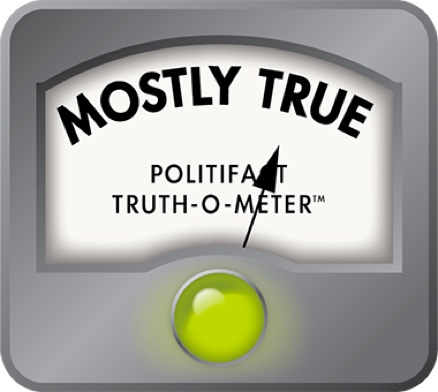
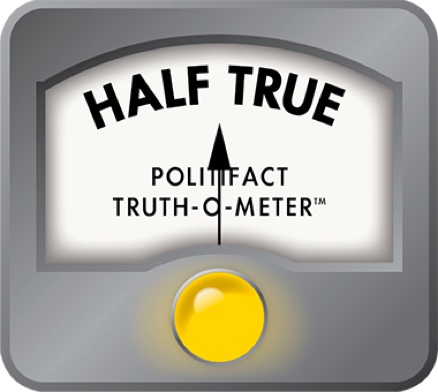
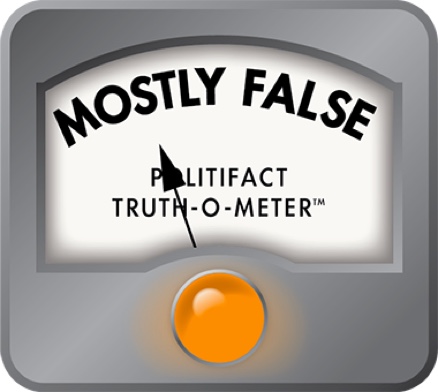
The statement contains an element of truth but ignores critical facts that would give a different impression. We rate it Mostly False.
Our Sources
WUNC Politics Podcast, Feb. 28, 2025.
North Carolina Senate Bill 107, the "Judge Joe John Nonpartisan Judicial Elections Act."
Email and telephone correspondence with Patrick Gannon, spokesperson for the North Carolina State Board of Elections.
Report by Michael Crowell, former professor in the UNC School of Government.
Telephone interview with Michael Crowell, former professor in the UNC School of Government.
Telephone interview with Gerry Cohen, a former attorney for the North Carolina General Assembly.
Email correspondence with Eddie Sheehy, communications director for North Carolina state Sen. Sydney Batch.