

No, diesel fuel isn’t recharging electric cars at COP26 climate meeting

If your time is short
-
The UK organizers are bringing in vegetable oil-powered generators to recharge electric vehicles at the international climate change meeting in Glasgow.
-
The hydrotreated vegetable oil is much less polluting than diesel fuel.
Too bad snark can’t fuel our cars.
Climate-change skeptics have delighted in pointing out the shortage of electric vehicle charging stations in Glasgow, Scotland, site of the upcoming international climate change summit known as COP26.
“More Embarrassment: COP26 Luxury EVs to be Recharged Using Diesel Generators,” said a headline on the website Watt’s Up With That on Oct. 24.
The conservative website Zero Hedge quipped Oct. 16, “Maybe since we’re gathered to talk about the negative effect on the climate, we could at least start by finding a carbon neutral way to shuttle yourself back and forth to the event.”
A plain reading would suggest that electric vehicles were being recharged by burning ordinary diesel fuel.
That’s not what’s going on. Yes, generators are being used for recharging, but people who read just a bit further would see that the generators will burn a type of vegetable oil, a fuel with significantly lower emissions than diesel.
The fuel is called a biodiesel, but it’s fossil-free and chemically quite different from standard petroleum-based diesel fuel.
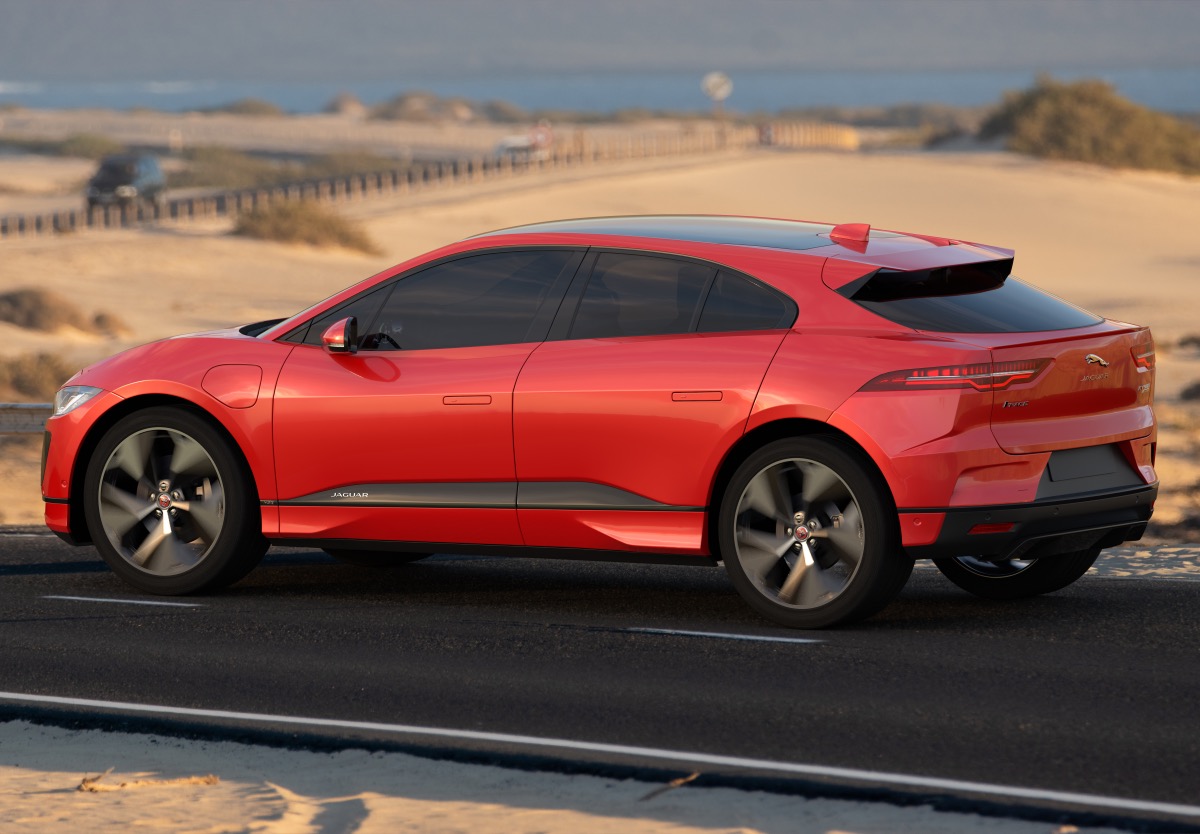
Donated electric Jaguars
A number of dignitaries will be staying at hotels that are some distance from the conference site, in some cases as much as 45 miles away. In September, the U.K. government announced that Jaguar Land Rover would provide electric cars and SUVs to shuttle people back and forth. According to Reuters, the automaker is providing 240 vehicles.
There aren’t enough charging stations to top off the batteries for that many cars overnight. To fill the gap, as The Scotsman reported Oct. 9, the conference organizers will deploy generators powered by waste vegetable oil. The U.K. COP26 office said they would run on hydrotreated vegetable oil.
Hydrotreated vegetable oil is less polluting than diesel. A 2018 comparison found the biofuel “resulted in a significant reduction of all regulated emissions.”
RELATED VIDEO
That included a 75% reduction in soot, 35% in carbon monoxide, at least 20% fewer hydrocarbons, and about 6% less carbon dioxide. With nitric oxides, the results were mixed. Under some conditions, emissions were lower with hydrotreated vegetable oil. Under others, emissions were higher.
Hydrotreated vegetable oil is actually a second-generation biofuel and is broadly seen as more sustainable than the first biofuels based on products like soybeans and rapeseed. The European Union plans to use hydrotreated vegetable oil more in the next decade.
While this fuel might be cleaner than diesel, climate change activists criticized the organizers for lack of planning, and suggested the delegates could ride electric buses instead of cars and SUVs.
Our ruling
Bloggers said the organizers of the COP26 climate change summit were using diesel generators to recharge electric vehicle batteries.
Organizers are using generators, but they run on a type of vegetable oil that has much lower emissions than diesel fuel. The fuel, hydrotreated vegetable oil, is sometimes called a biodiesel, but it is not a fossil fuel and is chemically distinct from diesel.
We rate this claim Mostly False.
Our Sources
Watt’s Up With That, More Embarrassment: COP26 Luxury EVs to be Recharged Using Diesel Generators, Oct. 24, 2021
Zero Hedge, UN Climate Change Conference Reportedly Using Diesel Generators To Charge Teslas Being Used As Shuttles, Oct. 16, 2021
U.K. Cabinet Office, Jaguar Land Rover to provide electric vehicles for leaders at COP26, Sept. 16, 2021
UK COP26, Sustainability, accessed Oct. 26, 2021
Frontiers in Mechanical Engineering, Evaluation of a Hydrotreated Vegetable Oil (HVO) and Effects on Emissions of a Passenger Car Diesel Engine, July 31, 2018
European Commission, Promotion of energy from renewable sources, July 14, 2021
Independent Commodity Intelligence Services, Rise of HVO to be the downfall of traditional biodiesel in Europe, Nov. 28, 2019
The Scotsman, Cop26: World leaders’ electric cars could be powered up by vegetable oil-fed generators because of charger shortage, Oct. 9, 2021
Full Fact, World leaders will not get Tesla cars at COP26, Oct. 14, 2021
Reuters, Fact Check-The Scottish Government did not buy 20 Tesla cars ahead of COP26, Oct. 14, 2021
Daily Mail, Which bright spark left eco cars at COP26 with no juice? Green vehicles but red faces as there are too few charging points at climate summit, Oct. 23, 2021