“Since the reopening of (Georgia), we’ve seen our COVID rate skyrocket by 40%.”

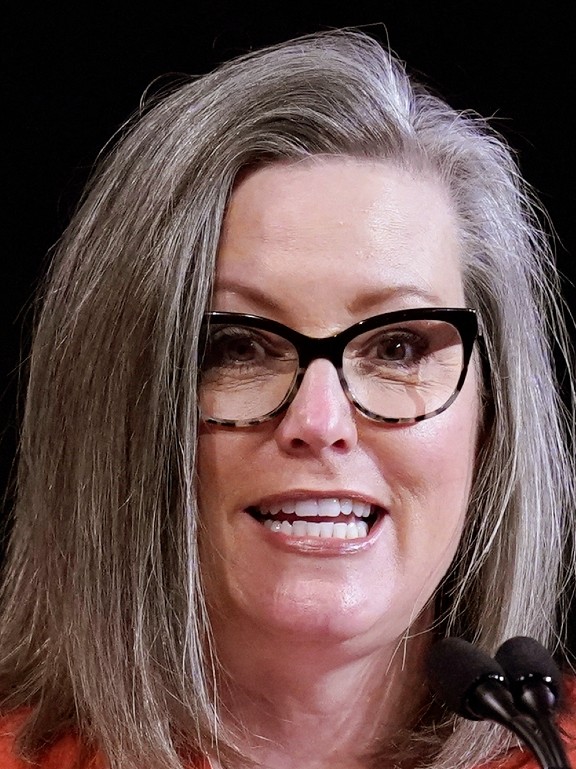
Stacey Abrams gets Georgia’s reopening COVID-19 trend upside down. Cases fell
If your time is short
-
Stacey Abrams said after reopening, Georgia’s COVID-19 rate went up 40%.
-
In fact, the number of cases fell 12% compared with the same period before reopening.
-
It will take more time before the impact of reopening shows up in the data.
Stacey Abrams has often come up as a potential running mate for presumptive Democratic nominee Joe Biden. The Georgia Democrat nearly won the 2018 governor’s race. In an interview with Mother Jones, Abrams said if she were in the governor’s mansion today, she would have handled the COVID-19 crisis totally differently.
“I wouldn’t have led Georgia to be one of the last states to shut down, and we certainly wouldn’t have been one of the first to reopen,” Abrams said in a May 7 interview. “Since the reopening of the state, we’ve seen our COVID rate skyrocket by 40%.”
Abrams’ statistic is wrong.
Abrams spokesman Seth Bringman said she relied on a post that briefly appeared on Forbes.com. The post was withdrawn.
Virus testing in Georgia, drawn from the Covid Testing Project data, shows there was a smaller increase in the number of new cases in the period after Gov. Brian Kemp relaxed restrictions than in a similar period before the change.
Under Kemp, Georgia was one of the first states to reopen businesses.
Between April 24 and April 27, restaurants, gyms, beauty parlors and a number of other kinds of businesses began to welcome customers, so long as they followed rules to keep patrons separated and took other measures to prevent infection.
In the 12 days before April 24, when Kemp began easing restrictions, Georgia had a total of 9,695 confirmed coronavirus cases.
In the 12 days after (which coincides with Abrams’ interview), Georgia reported about 1,100 fewer confirmed cases, 8,549.
Overall, comparing the two time periods, cases in Georgia decreased 12% after the reopening. They didn’t increase 40%.
Bringman said no one has firm numbers in Georgia.
“The state is not producing accurate data, thus there is no way to know how many Georgians who have suffered,” he said.
The state has had problems, particularly in tracking deaths at long-term care facilities.
But without good data, Abrams also wouldn’t have any basis to say cases rose 40%.
When she spoke, it was way too early to know if relaxing the rules on business had caused the disease to spread.
It takes anywhere from three to 14 days for an infection to take hold. And after that, more days before a person feels ill enough to see a doctor, get tested and get test results back.
Boston University epidemiologist Eleanor Murray emphasized that the impact of reopening business life in Georgia won’t be clear for some time.
“There could be up to a month or more delay between when a case is reported and when the infection was transmitted,” Murray said. “This makes it very difficult to say whether cases are from before or after opening, especially in the first few weeks.”
Our ruling
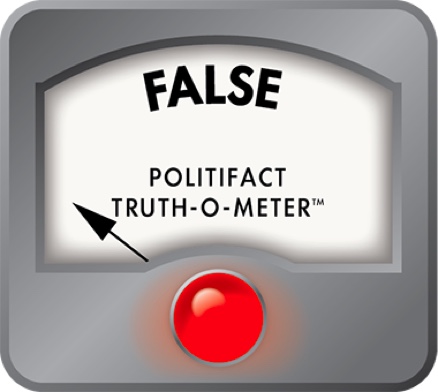
Abrams said that after Georgia’s governor reopened certain business activities, the COVID-19 rate rose 40%.
In reality, the period after reopening had 12% fewer cases. Even if the policy shift did cause infections to rise, it wouldn’t appear until several weeks later. Abrams spoke before that effect would show up in the data.
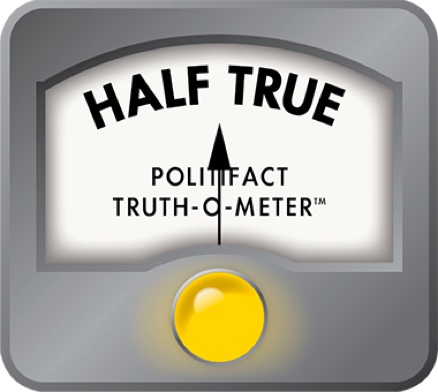
We rate this claim False.
Our Sources
Mother Jones, Stacey Abrams on Trump: "We Should Be Frightened, but We Should Also Be Fighting." May 13, 2020
Mother Jones, Stacey Abrams Says the Shooting of Ahmaud Arbery Was "Murder", May 7, 2020
Georgia’s Governor Office, Gov. Kemp Updates Georgians on COVID-19, April 20, 2020
Covid Tracking Project, Georgia data, accessed May 14, 2020
Atlanta Journal Constitution, Faulty data obscures virus’ impact on Georgia, April 14, 2020
Email exchange, Eleanor Murray, assistant professor of epidemiology, Boston University, May 14, 2020
Email exchange, Seth Bringman, Stacey Abrams spokesman, May 14, 2020