“The head of the FBI has told Congress they cannot vet those (Syrian) refugees.”


Ted Cruz’s claim that the head of the FBI told Congress ‘they cannot vet those refugees’ from Syria
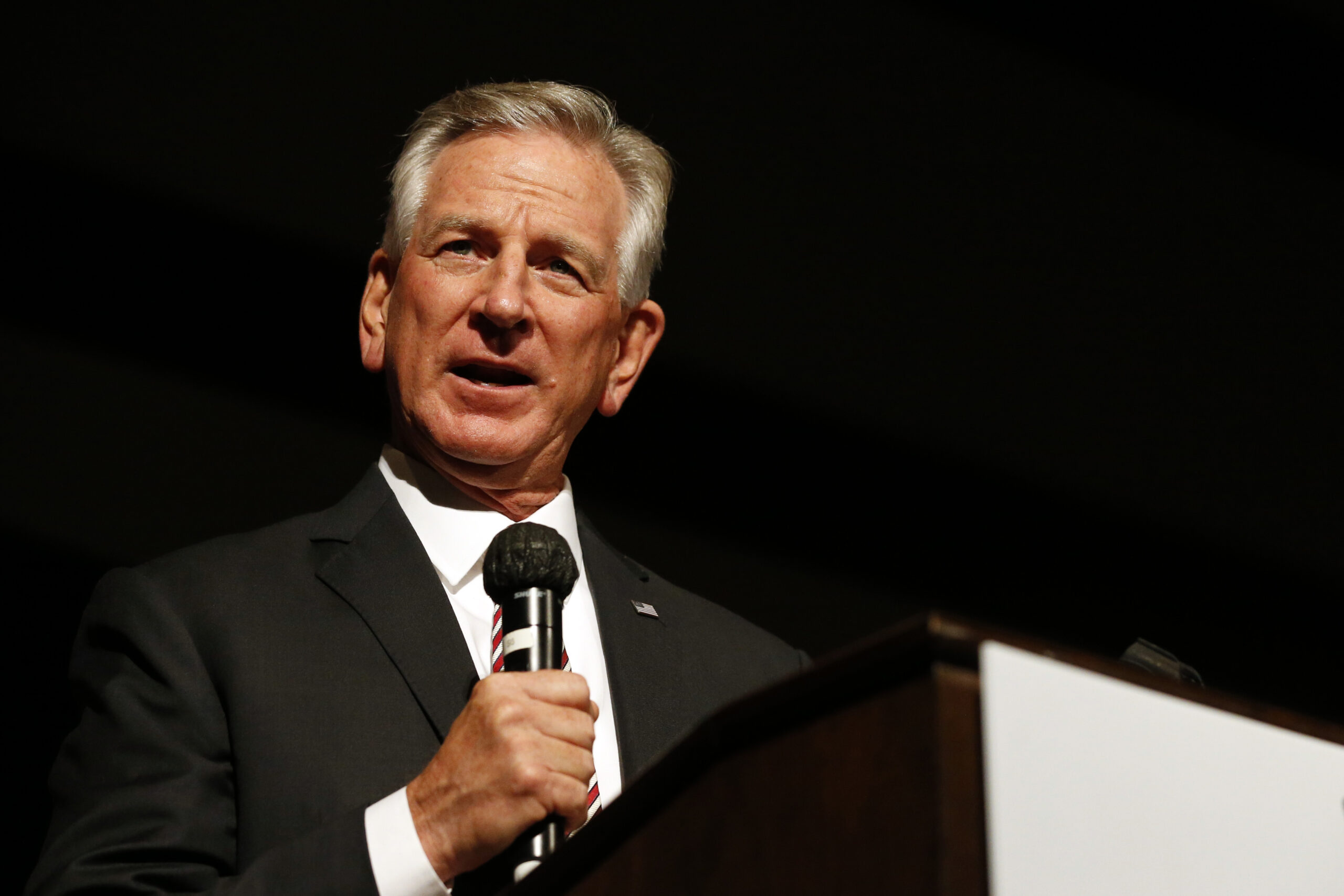
At the Las Vegas Republican primary debate, Sen. Ted Cruz, R-Texas, stressed the need to secure the border to keep out jihadists masquerading as refugees.
“President Obama and Hillary Clinton are proposing bringing tens of thousands of Syrian refugees to this country when the head of the FBI has told Congress they cannot vet those refugees,” he said Dec. 15, 2015, on CNN.
Is it true that Obama’s own FBI director, James Comey, said national security and intelligence officials can’t screen Syrian refugees?
The Cruz campaign forwarded us a report on Comey’s concerns over a bill put forward by Republicans that would toughen the refugee vetting process.
The bill would require Comey — and other top national security officials — to personally certify every single refugee admitted into the United States was not a security threat. Comey, appearing before Congress on Dec. 9, said he couldn’t.
“Could I certify to there being no risk associated with an individual?” he said. “The bureau doesn’t take positions on legislation, and we don’t get involved in policy decisions. But that practically would be impossible.”
But that’s not the same standard Cruz mentioned during the debate.
For the record, the United States can vet the refugees through a process that involves the FBI as well as the State Department, the Department of Homeland Security, the Department of Defense and other agencies. The vetting process can take up to two years, in which refugees undergo several rounds of security clearance checks.
Comey has stressed, in testimony before several different congressional committees, that there are challenges (namely, information gaps) to how we screen the refugees, and that there’s no risk-free process. But, he said, we’ve gotten “dramatically” better at the task in the past few years.
He never said that the federal agencies “cannot vet” refugees in as plain of terms as Cruz suggested. (Later in the debate, New Jersey Gov. Chris Christie made a similar claim as Cruz about Comey’s remarks.)
Appearing before the Senate Homeland Security and Governmental Affairs Committee on Oct. 8, Comey said, “There is risk associated with bringing anybody in from the outside, but especially from a conflict zone like that. From the intelligence community’s perspective, as I said, I think we’ve developed an effective way to touch all of our databases and resources to figure out what we know about individuals. … I don’t think that’s a cumbersome process. My concern there is that there are certain gaps.”
Comey made similar comments before the House Homeland Security Committee on Oct. 21 and talked about the information gaps in more detail.
“If someone has never made a ripple in the pond in Syria in a way that would get their identity or their interest reflected in our database, we can query our database until the cows come home but we are not going to — there will be nothing show up because we have no record on that person,” he said, adding, “The good news is we are much better doing it than eight years ago. The bad news is, there is no risk-free process.”
A day later, on Oct. 22, Comey repeated his comments before the House Judiciary Committee: “We have gotten much better as an intelligence community at joining our efforts and checking our databases in a way that gives us high confidence. If we have a record on somebody, it will surface. That’s the good news. … The challenge we face with Syria is that we don’t have that rich set of data. So even though we’ve gotten better at querying what we have, we certainly will have less overall. And so as I said to a question earlier, someone only alerts as a result of our searches if we have some record on them. That’s the challenge we face with Syria.”
Our ruling
Cruz said, “The head of the FBI has told Congress they cannot vet those refugees.”
The Cruz campaign pointed to comments Comey made about how he cannot personally vet every refugee admitted to the United States (required by a House bill that seeks to toughen the admissions process).
But the FBI director never said, as Cruz claims he did, that the government “cannot vet” refugees.
Comey has said there are challenges and gaps to the process and that there are always risks to admitting people from conflict zones. But he also said the process is effective and has gotten more so in the past few years.
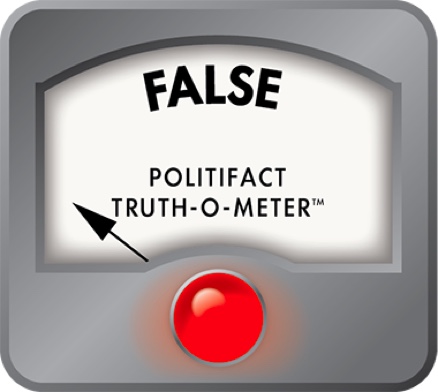
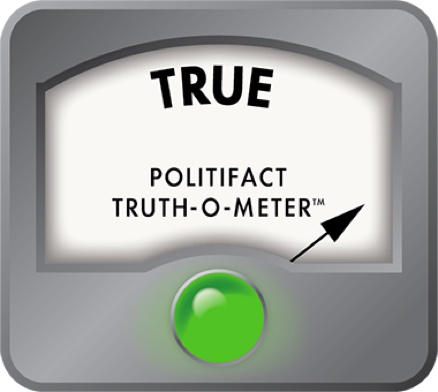
We rate Cruz’s claim Mostly False.
Our Sources
Email interview with Catherine Frazier, spokesperson for Ted Cruz, Dec. 15, 2015
The Daily Caller, "FBI Director: It’s ‘Impossible’ To Vet Every Single Syrian Refugee," Nov. 19, 2015
PolitiFact, "Ben Carson: 'There is currently no ability to vet' Syrian refugees," Nov. 19, 2015
PolitiFact, "PolitiFact Sheet: 5 questions about Syrian refugees," Nov. 19, 2015
PolitiFact, "Jeb Bush: 'It takes almost a year for a refugee to be processed in the United States'," Nov. 15, 2015
C-SPAN, "Homeland Security Threats," Oct. 8, 2015
C-SPAN, "National Security Threats," Oct. 21, 2015
C-SPAN, "FBI Oversight," Oct. 22, 2015
C-SPAN, "Federal Bureau of Investigation Oversight," Dec. 9, 2015