A Promise Kept on the credit card bill of rights
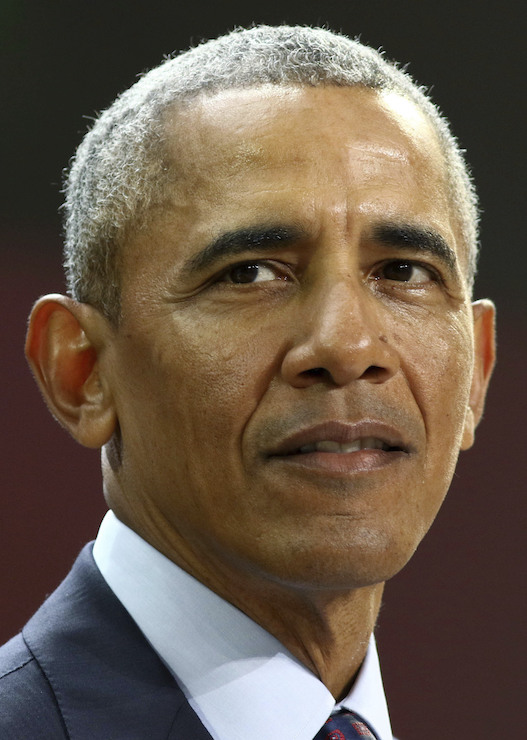
On the campaign trail, Barack Obama promised to clean up the credit card industry by establishing a consumers bill of rights. No more “any time, any reason” rate increases, no more confusing contracts, he said.
Once in office, President Obama wasted little time weaving that promise into speeches and town hall meetings, saying that “it’s time for reform that is built on transparency, accountability and mutual responsibility — values fundamental to the new foundation we seek to build for our economy.” On April 23, 2009, he told credit card company executives that he was supporting the consumer credit card bill of rights already inching its way through Congress.
The bill passed and Obama signed it on May 22, 2009, despite worries from the banking industry that it would reduce credit availability during the economic crisis. In large part, the law fulfills Obama’s campaign pledge: It prevents creditors from imposing arbitrary rate increases on customers, it prohibits most rate increases meant to penalize consumers for late payments on unrelated accounts, and it requires companies to post credit agreements on the Internet, among other things.
The bill falls short when it comes to a prohibition of interest on the fees card companies charge consumers if they go over their credit limit or fail to pay their bills on time. But this omission is not considered significant by consumer advocates. They say the measure goes a long way in reforming the credit industry. For example, most people pay more than their minimum payment every month. That extra cash will now go toward paying down card balances associated with the line of credit, said Lauren Saunders, who works for the National Consumer Law Center.
Another example: The new law prevents companies from raising interest rates on existing balances unless the bill goes unpaid for more than 60 days.
“That’s a big win,” said Ed Mierzwinski of U.S. Public Interest Research Groups. “It gets rid of any ‘gotcha’ tricks.”
Obama promised voters a credit card bill of rights that prevents arbitrary rate hikes and makes contracts clear, and nearly every line of the new law matches Obama’s pledge. Even though the law does not prohibit interest on fees, consumer advocates who have spent years lobbying on the issue say the bill represents a major step forward for consumers. As a result, we give Obama a
Promise Kept
.
Our Sources
See Obameter item.