Who’s the candidate of change?


SUMMARY: It’s a matter of opinion which Democratic front-runner is the candidate of change, but here are some PolitiFact rulings that might help you decide.
In the past four days, New Hampshire voters have witnessed a game of one-upsmanship among the Democratic front-runners, as each candidate has promised to be the candidate of change.
“I embody change,” said Sen. Hillary Clinton.
“Both of us are powerful voices for change,” said former Sen. John Edwards, giving credit to Sen. Barack Obama.
“If we’re going to bring about real change, then we have to bring in the American people,” Obama said.
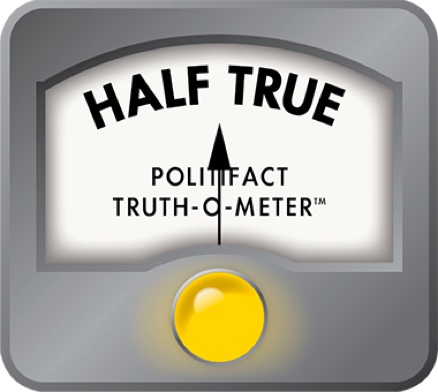
We can’t really fact-check those kinds of subjective assertions, but we can tell you what we found when we examined the candidates’ backgrounds and their claims about their backgrounds. Among PolitiFact’s 260 Truth-O-Meter rulings in the past four months, here are some that might help you decide who has been responsible for “change:”
Hillary Clinton
• Clinton
has not been
the lead sponsor on any major legislation in the U.S. Senate, but she has used her senatorial power to influence a handful of issues and to focus on local politics.
• She is
right
when she says she helped create the Children’s Health Insurance Program and 7,000 kids in New Hampshire have health care because of it.
• She was one of several supporters of legislation to expand benefits for Guard and Reserve members, but not the
key player.
• She has been a
consistent advocate
for “ground zero workers who sacrificed their health.”
• Press clippings show she “led the effort in Arkansas to improve our schools, ”
just as she said.
• She supported universal health care early, but it’s an
exaggeration
to say she did so “when almost no one else would.”
• Mitt Romney went after her record in a TV ad, saying she “hasn’t run anything.” We found that statement
ignores
her work as a law partner and her managerial role as first lady.
John Edwards
• An Edwards adviser said Edwards has “never — has ever from the beginning of his political career has never taken PAC money or the money of Washington lobbyists,” but we found Edwards
has accepted
thousands from employees at lobbying firms.
• Edwards did successfully play a role in
a number of significant bills
in the U.S. Senate and shaped their outcomes.
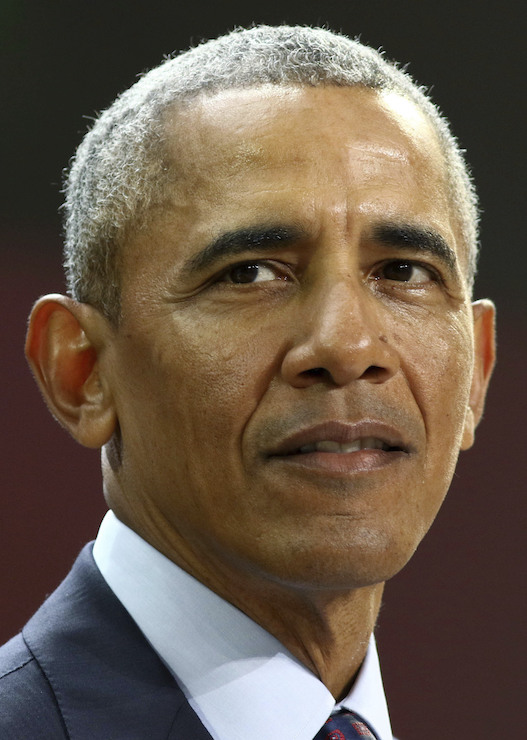
Barack Obama
• Obama
worked across the aisle
with Republicans in the U.S. Senate to push several measures that became law in 2006.
• Obama did vote to renew the Patriot Act, but only after he fought
to improve it.
• Obama has worked on ethics reform in the Senate, but it was
an exaggeration
when he said he’s the only Democratic candidate who pushed for reform.
• He’s right when he says he opposed the Iraq war
“from the beginning.”
• As an Illinois state senator, Obama co-sponsored a law that
provided health care
for about 150,000 people.
• He has a
mixed record
of bipartisan success in the Senate.
• However, in the Illinois legislature, Obama worked with Republican members on some of the most challenging issues
and succeeded.
• Obama says he is “leading by example, refusing contributions from PACs and Washington lobbyists,” but PolitiFact found that his policy
allows him to accept
money from state lobbyists.
For a closer look at the experience of all the presidential candidates, read our
examination of their resumes
and check out
our chart.