Val Demings “voted with Pelosi to raise taxes over $4,000 on Florida families.”

Marco Rubio lobs misleading attack on Val Demings and taxes
If your time is short
-
Republican Sen. Marco Rubio's ad refers to the Inflation Reduction Act, which Democratic Rep. Val Demings voted for in the U.S. House. However, the law levies tax increases directly on very large corporations and high earners.
-
It is difficult to measure the indirect impact of how those hikes will be passed on to ordinary Americans. Experts said comments like Rubio’s ignore the benefits of subsidies for taxpayers included in the law.
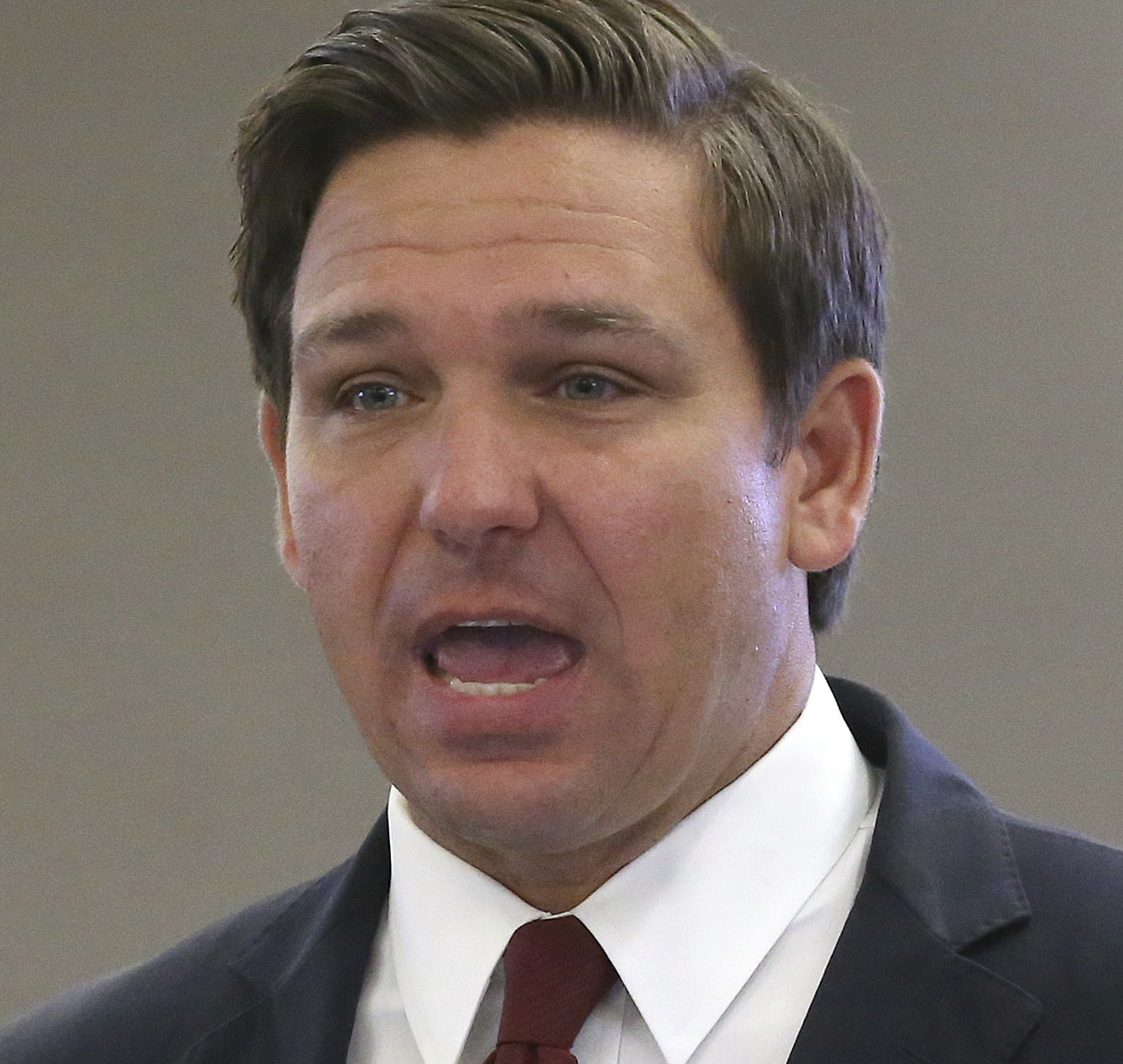
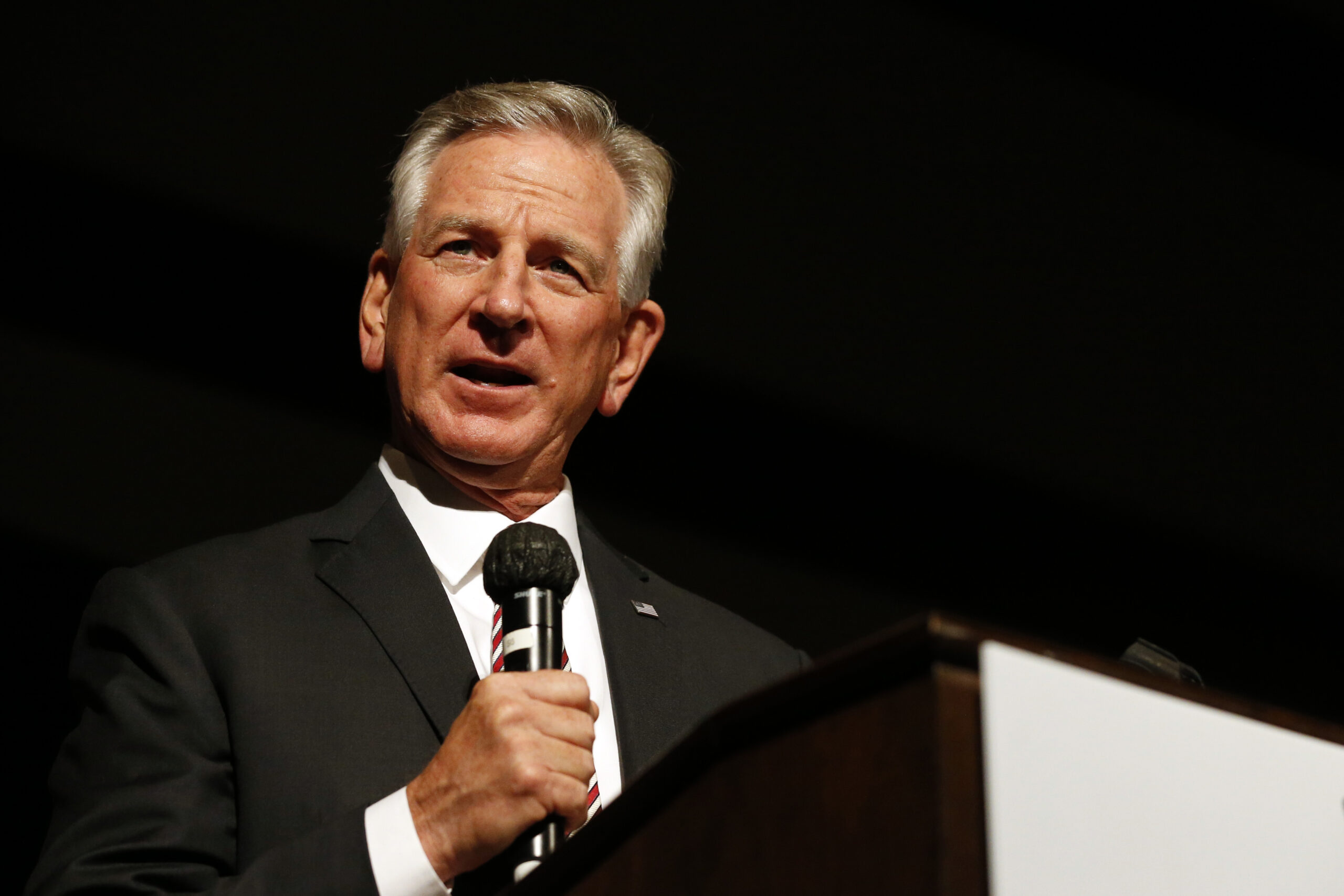
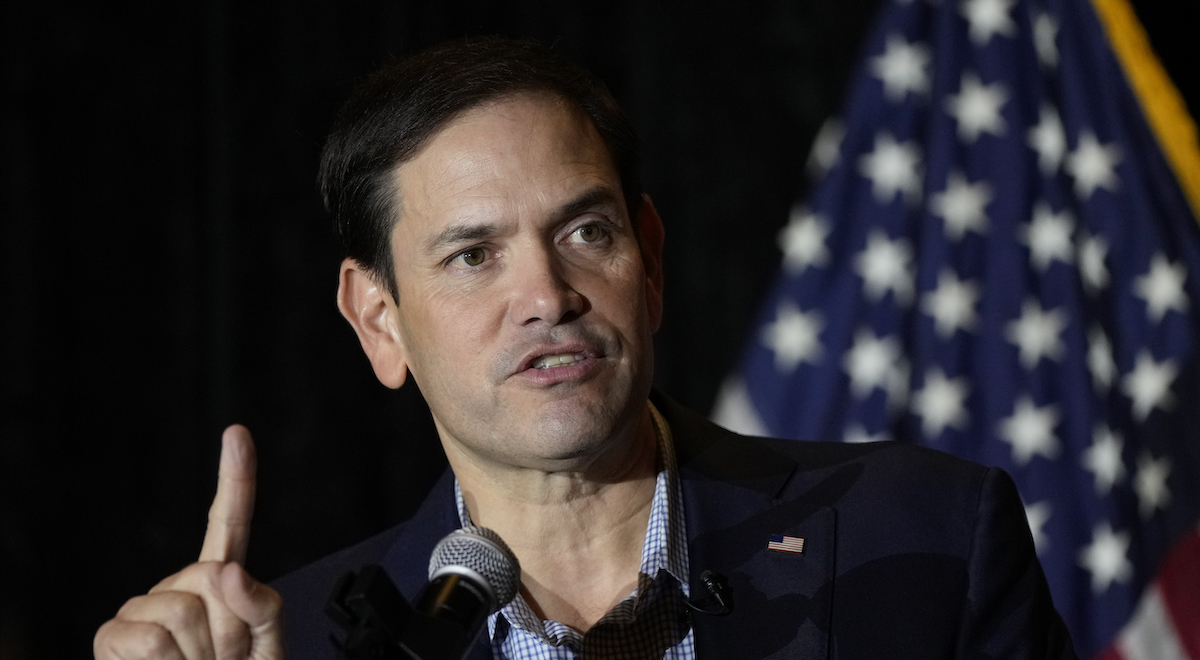
Republican U.S. Sen. Marco Rubio accused his Democratic challenger, U.S. Rep. Val Demings, of caring more about siding with House Speaker Nancy Pelosi, D-Calif., than with the interests of Florida residents.
A campaign ad running a few weeks before the Nov. 8 election said Demings “voted with Pelosi to raise taxes over $4,000 on Florida families.”
Although it’s unclear what legislation Rubio’s ad is referring to, his campaign said the ad is referencing the Inflation Reduction Act, a sweeping law on health care, climate change and taxes. The legislation passed along party lines before President Joe Biden signed it into law in August.
But did the Inflation Reduction Act impose a significant tax hike on ordinary Floridians, as Rubio’s ad suggested? Experts say it didn’t. The law levied tax hikes on large corporations and high earners.
The basis of Rubio’s claim concerns the indirect impact of the law’s effect on Florida taxpayers. But the ad doesn’t mention subsidies included in the law that could mitigate the trickle-down effect of raising corporate taxes.
Most analyses of the Inflation Reduction Act show a modest impact on taxpayers
Rubio’s campaign cited an article from the Heritage Foundation, a conservative think tank based in Washington, D.C., that is critical of the Inflation Reduction Act.
“The Inflation Reduction Act is intended to raise taxes by roughly $570 billion over the next decade — $4,500 per household,” the Heritage Foundation wrote. The article did not detail how it arrived at that number.
Preston Brashers, a Heritage Foundation senior policy analyst, said the $4,500 figure is based on the sum of revenue brought in by the law’s tax increases for corporations, stock owners and an increased budget for the IRS, among a few other taxes, divided by the number of U.S. households.
The Heritage Foundation estimated the law’s tax provisions will result in $570 billion in new tax collections over the next decade; $570 billion divided by 128 million U.S. households equals around $4,500 per household.
This guesswork is powered by several assumptions. Because the tax hikes are applied to corporations and stock owners, it’s unknown how average taxpayers will be affected.
“Company ownership and stock ownership are not divided evenly among households,” said John Buhl, senior communications manager with the independent Urban-Brookings Tax Policy Center in Washington D.C. “Even if you think a fairly large share of corporate taxes falls on workers and consumers, you wouldn’t come up with numbers as large as what Heritage is claiming.”
The Inflation Reduction Act’s impact on average taxpayers will come from secondary effects stemming from the increase in corporate taxes — which could include lower wages for workers. Such effects are difficult to measure.
It’s also worth noting that the Heritage model did not account for the law’s spending provisions that could cancel those tax increases. The Inflation Reduction Act includes subsidies for energy efficiency and clean energy, extends subsidies for insurance under the Affordable Care Act and eventually allows Medicare to negotiate lower drug prices.
Congress’ Joint Committee on Taxation, the Penn Wharton Budget Model and the Tax Foundation created model estimates of the Inflation Reduction Act; none predicted significant financial hits for consumers outside of higher-income households.
The Joint Committee on Taxation found that the average U.S. household would see its after-tax income fall by 1.4% — and the decline would be less than 1% for people earning $30,000 to $100,000. This estimate did not factor in offsetting subsidies.
An analysis by the Committee for a Responsible Federal Budget, a Washington, D.C., nonprofit that favors deficit reduction, said the $64 billion in health insurance subsidies is “more than enough” to offset the after-tax income fall predicted by the Joint Commission on Taxation.
Our ruling
Rubio said Demings “voted with Pelosi to raise taxes over $4,000 on Florida families.”
Rubio was referring to the Inflation Reduction Act, which passed with Pelosi and Demings’ support. But the law does not include a blanket tax increase for Florida taxpayers.
The law applied tax increases directly on very large corporations and high earners. It’s unclear whether and how corporations would pass those costs to consumers, and the individual effect of such increases will vary. The source of Rubio’s figure uses questionable methodology modeled over 10 years to measure the secondary effects passed down to U.S. households.
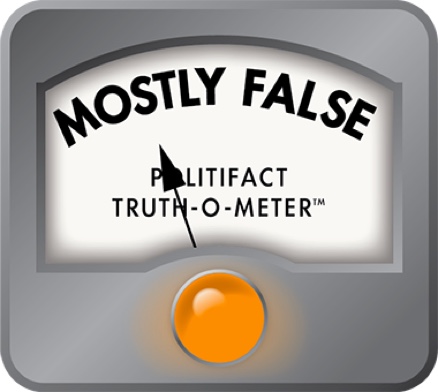
Other analyses estimated the effects would be smaller and potentially offset by subsidies included in the law. We rate Rubio’s claim Mostly False.
Our Sources
Email interview with Christian Slater, communications director for Val Demings campaign, Oct. 19, 2022
Email interview with Elizabeth Gregory, communications director for Marco Rubio campaign, Oct. 19, 2022
Email interview with Preston Brashers, a senior policy analyst for the Heritage Foundation, Oct. 21, 2022
Email interview with John Buhl, senior communications manager with the Urban-Brookings Tax Policy Center, Oct. 21, 2022
PolitiFact, "GOP claim on tax hikes in Democratic bill doesn’t factor in subsidies, savings," Aug. 3, 2022
PolitiFact, "Tom Cotton misleads on how Inflation Reduction Act will impact the size of IRS, taxes," Aug. 23, 2022
Heritage Foundation, "Inflation Reduction Act is euphemism for big government socialism, higher prices," Aug. 2, 2022
Joint Committee on Taxation, analysis of Democratic bill, accessed Aug. 1, 2022
Urban Institute-Brookings Institution Tax Policy Center, "What you need to know about the Manchin-Schumer climate and tax compromise," July 28, 2022
Urban Institute-Brookings Institution Tax Policy Center, "Putting JCT’s score of the Inflation Reduction Act into context," Aug. 2, 2022
Urban Institute, "Allowing the American Rescue Plan premium tax credits to expire would reverse recent progress in reducing the rate of uninsured Americans," May 25, 2022
Committee for a Responsible Federal Budget, memo, Aug. 2, 2022