“People who have had cancer in the past, they get the COVID jab and now, they’re getting cancer two to three, four months later and…

No evidence that COVID-19 vaccines linked to cancer recurrence
If your time is short
• There is no data to suggest that COVID-19 vaccines lead to cancer recurrence.
• Because cancer is a common disease, and hundreds of millions of people have been vaccinated against COVID-19, some people will have cancer recurrence around the time of their vaccination. It does not mean the vaccine caused the cancer, experts say.
A viral Facebook video says COVID-19 vaccines are causing cancer recurrence — a claim that is not backed by evidence.
“People who have had cancer in the past, they get the COVID jab and now, they’re getting cancer two to three, four months later and it’s the same cancer they had except much worse,” says the speaker in the March 9 video.
The video, which has more than 100,000 views, was flagged as part of Facebook’s efforts to combat false news and misinformation on its News Feed. (Read more about our partnership with Facebook.)
There is no data to suggest that COVID-19 vaccines lead to cancer recurrence, said Dr. Steven Pergam, a co-leader of the National Comprehensive Cancer Network committee that developed recommendations on COVID-19 vaccination in cancer patients, in a Q&A with the National Cancer Institute.
Because cancer is a common disease, and hundreds of millions of people have been vaccinated against COVID-19, some people will have cancer recurrence around the time of their vaccination, said Dr. Samuel Godfrey, research information team lead at Cancer Research UK, a nonprofit that funds cancer research. It does not mean the vaccine caused the cancer.
In the Facebook video, the speaker claims that among people who are having cancer recurrences, “the cancers we’re seeing are highly resistant to treatment.”
But Godfrey said it’s important to understand why cancer recurs — and why, when it does, it is often harder to treat.
“Cancer cells evolve very quickly,” Godfrey said. “If someone has a cancer treatment, it only takes one cancer cell in a tumor to find a way to survive that therapy. That surviving cell is too small to detect, but will eventually seed a new tumor that is now resistant to the original treatment.”
Fact-checkers have debunked many claims that attempt to link COVID-19 vaccines to cancer, including falsehoods that overall cancer cases have spiked; that soft-tissue cancers have increased; and that the U.S. military has seen exponential increases in cancer diagnoses among its members.
COVID-19 mRNA vaccines work by instructing cells to make versions of a harmless spike protein found on the surface of the coronavirus, so the immune system can recognize the protein and mount an antibody response against the virus in the event of a future infection. Those instructions do not interact with your DNA or alter genes and therefore cannot cause cancer.
A number of health officials have noted that one temporary side effect of vaccines is that they can cause lymph nodes to swell in the armpit or other areas near the injection site in a way that mimics an early sign of cancer. While this can be confusing, practitioners say that people receiving cancer screenings soon after vaccination should alert their health care provider about their recent vaccination.
Our ruling
A Facebook video says, “People who have had cancer in the past, they get the COVID jab and now, they’re getting cancer two to three, four months later and it’s the same cancer they had except much worse.”
There is no data to suggest that COVID-19 vaccines lead to cancer recurrence.
Cancer is a common disease and hundreds of millions of people have been vaccinated against COVID-19, so it is expected that some people would have cancer recurrence around the time of their vaccination. It is not proof that vaccinations are the cause of the recurrence.
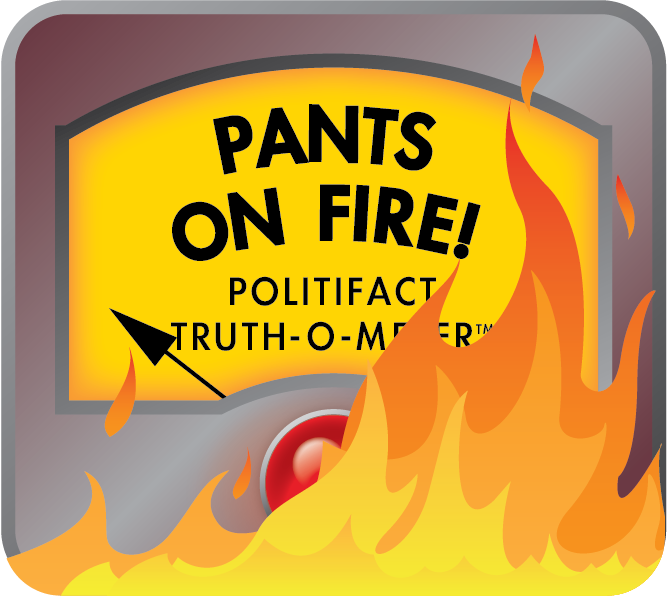
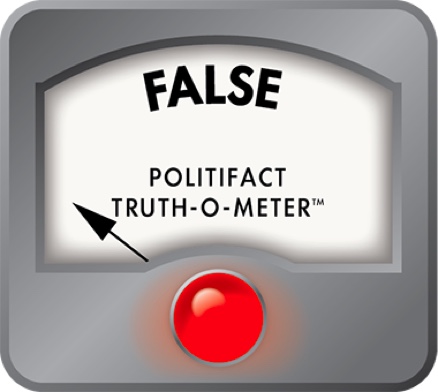
We rate this claim False.
Our Sources
Cancer Research UK, "About Cancer Research UK," accessed March 11, 2022
Email interview, Dr. Samuel Godfrey, research information team lead, Cancer Research UK, March 10, 2022
Facebook post, March 9, 2022
National Cancer Institute, "Cancer statistics," updated Sept. 25, 2020
National Cancer Institute, "COVID-19 Vaccines and People with Cancer: A Q&A with Dr. Steven Pergam," updated March 8, 2022
PolitiFact, "Numbers were based on faulty data, military spokesperson says," Jan. 31, 2022
PolitiFact, "There’s no evidence of a huge spike in soft-tissue cancers," Dec. 16, 2021
USA Today, "Fact check: False claim that cancer has spiked as a result of COVID-19 vaccines," Sept. 27, 2021
Yale Medicine, Medical Experts Spread Word About Harmless COVID-19 Vaccine Reactions, March 30, 2021
New York Presbyterian, Swollen Lymph Nodes and the COVID-19 Vaccine: What to Know, accessed March 11, 2022
Idaho Department of Health & Welfare DHW Voice, COVID-19 Q&A: Vaccine information on VAERS, cancer, and efficacy, Oct. 5, 2021