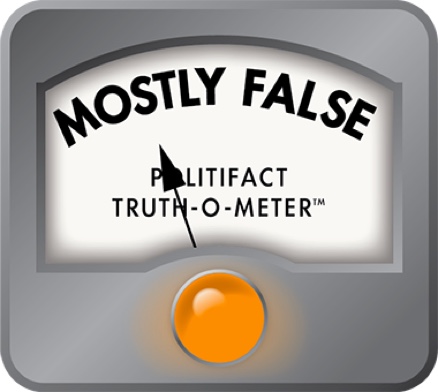
Carbon dioxide “is not a problem. The Earth has more than enough land and ocean plant life to metabolize it.”
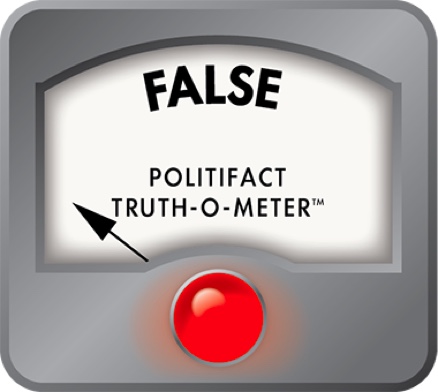
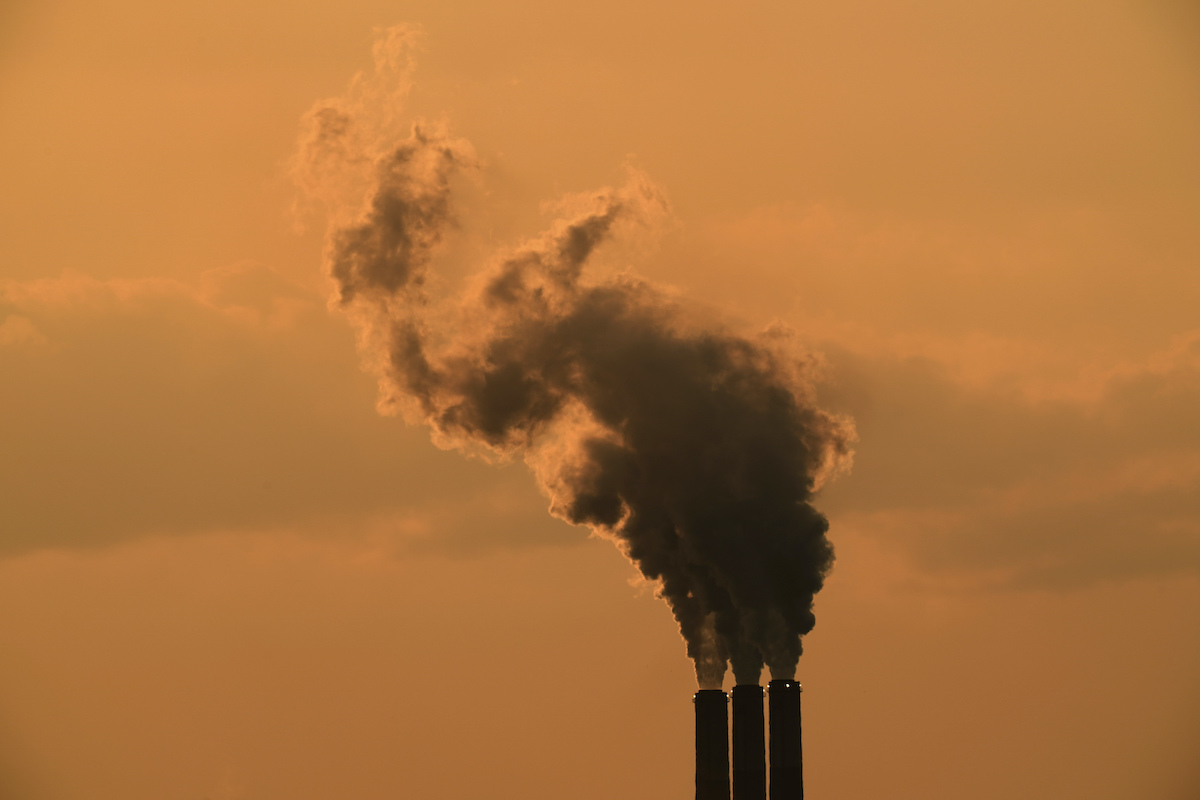

Yes, excess carbon dioxide in the atmosphere is a problem for Earth
If your time is short
• Carbon dioxide levels in the atmosphere have reached record highs.
• Build-up of carbon dioxide in the atmosphere is an indicator that plants and the oceans can't absorb fossil-fuel waste fast enough.
• Absorbing excess carbon dioxide is harmful to oceans and sea life because it increases acid levels in the water.
With record-high temperatures in the Pacific Northwest and West and heavy rains and flooding in the Midwest and Northeast, the impact of climate change has been making headlines.
But skepticism is rampant on social media.
Carbon dioxide “is not a problem,” reads one post widely shared on Facebook. “The Earth has more than enough land and ocean plant life to metabolize it. ‘Global warming’ is a myth. ‘Climate change’ is not manmade. It is a natural, expected, unstoppable process. It always has been.”
The post was flagged as part of Facebook’s efforts to combat false news and misinformation on its News Feed. (Read more about our partnership with Facebook.)
The statement is “flat-out wrong,” said Ralph Keeling, director of the carbon dioxide monitoring program at the Scripps Institution of Oceanography at the University of California San Diego.
Because of human activities, carbon dioxide levels in the atmosphere have reached record highs. In May 2020, the average was just over 417 parts per million, which was the highest monthly average value ever recorded.
“The fact that CO2 has built up at all tells us that plants and the oceans can’t absorb our fossil-fuel waste fast enough,” Keeling said.
Carbon dioxide is a greenhouse gas, which means it traps heat in the atmosphere. It occurs naturally and also is produced by human activities such as burning fossil fuels like coal, natural gas and oil. It is “the primary greenhouse gas emitted through human activities,” according to the U.S. Environmental Protection Agency.
Levels of carbon dioxide in the atmosphere remained constant for more than 10,000 years before the Industrial Revolution, according to Scripps. Since 1958, though, carbon dioxide increases in the atmosphere have closely tracked with increases in burning of fossil fuels.
When fossil fuels are burned, about 50% of the carbon dioxide that’s released remains in the atmosphere; 25% is absorbed by land, plants and trees; and 25% is absorbed by oceans.
Oceans have been absorbing increased amounts of CO2, but not without repercussions. The acidity of surface ocean waters has increased by 30% since the Industrial Revolution began more than 200 years ago. The change can affect sea life, including creatures like oysters and corals that need certain chemical conditions to grow tough shells and skeletons.
Some studies have also indicated that land ecosystems might be becoming less efficient at absorbing carbon dioxide from the atmosphere, in part because global warming makes land drier and deprives it of nutrients.
“CO2 is a problem because it’s building up and it impacts climate,” Keeling said. “This is already the case even though ecosystems are absorbing some of the carbon. If ecosystems stop absorbing, this makes the problem worse.”
Our ruling
A Facebook post says carbon dioxide “is not a problem. The Earth has more than enough land and ocean plant life to metabolize it.”
The claim is not supported by evidence. Carbon dioxide levels in the atmosphere have reached record highs, and the build-up is an indicator that plants and the oceans can’t absorb fossil-fuel waste fast enough.
We rate this claim False.
Our Sources
American Association for the Advancement of Science, "Scientists Pinpoint How Corals Build Their Bony Structures," May 31, 2017
Email interview, Ralph Keeling, director of the carbon dioxide monitoring program at the Scripps Institution of Oceanography at UC San Diego, July 13, 2021
Facebook post, July 10, 2021
NASA Jet Propulsion Laboratory, California Institute of Technology, "Land Ecosystems Are Becoming Less Efficient at Absorbing Carbon Dioxide," Dec. 21, 2020
NBC News, "The West catches fire while the East goes under water as climate change fuels both extremes," July 13, 2021
National Oceanic and Atmospheric Administration, "Ocean Acidification," accessed July 13, 2021
National Oceanic and Atmospheric Administration,"Ocean-Atmosphere CO2 Exchange," accessed July 13, 2021
Scripps Institution of Oceanography at UC San Diego, "Scripps CO2 Program, FAQ," accessed July 13, 2021
The Washington Post, "Earth’s carbon dioxide levels hit record high, despite coronavirus-related emissions drop," June 4, 2020
U.S. Environmental Protection Agency, "Greenhouse Gas Emissions, Overview of Greenhouse Gases," accessed July 13, 2021