“Never mind that no red light camera, no speed camera, nor any radar gun has ever stopped one accident from occurring.”
Radar guns and cameras don’t stop accidents, huh?
Last week in Harrisburg, the Bicycle Coalition of Greater Philadelphia met with members of the legislature to lobby for what it considers safer streets after the April hit-and-run death of cyclist Jamal Morris. The group wants an extension of the state’s red light camera program, a pilot program for speeding cameras on Roosevelt Boulevard and the use of radar detection by police.
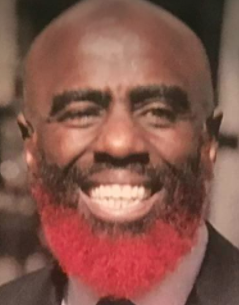
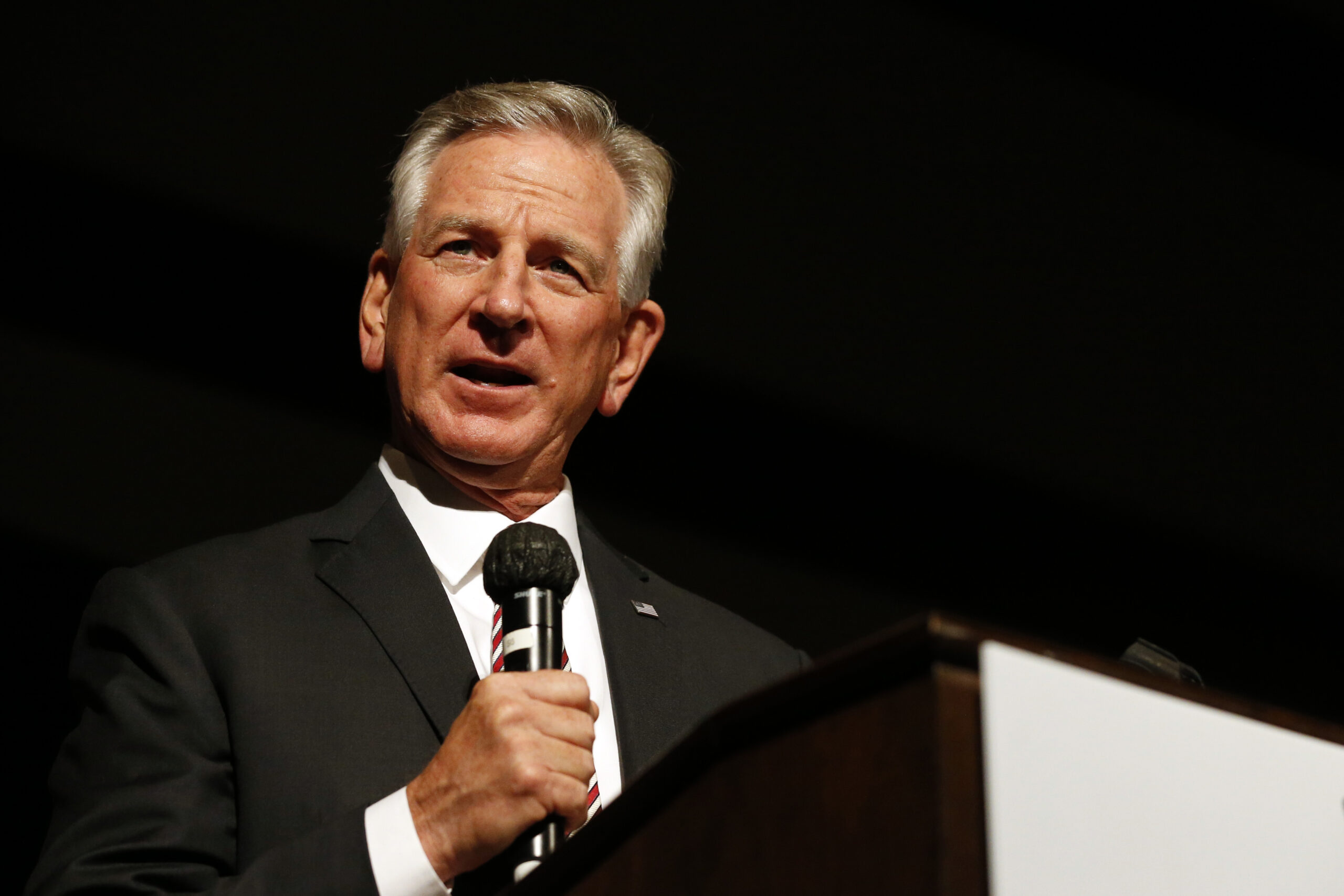
Before the meetings in Harrisburg happened, Penn Live published an editorial authored by Tom McCarey criticizing the Bicycle Coalition’s desire to push for radar use, the red light camera program and the speeding camera program. McCarey is a member of the drivers’ advocacy group the National Motorists Association and lives on the Main Line.
He wrote, “Never mind that no red light camera, no speed camera, nor any radar gun has ever stopped one accident from occurring.”
The editorial itself felt a little out of place. A member of one lobbying organization was writing critically about an opposing lobbying organization. But was McCarey’s claim that these types of technology have prevented a single accident from occurring legitimate?
The short answer is no. While the exact pros and cons of these technologies are up for debate, multiple studies show they have prevented accidents in numerous cities and certainly at least one accident.
McCarey said he got his information from National Highway Traffic Safety Administration (NHTSA) statistics and did not respond when asked to provide the specific data. The answer to whether such data to backup his claim exists is also no.
“NHTSA has never made this untrue statement at all,” said NHTSA spokesman Jose Ucles. “Neither does it agree with it.”
The organization has released a compendium of 13 studies looking at red light cameras and speed cameras, among other things. The studies the NHTSA regarded as the best showed a 20-to-25 percent reduction in injury crashes at sites with speed cameras. For red light camera studies, which the NHTSA did not regard as highly as the speed camera studies, there were reductions in overall crashes from 9-to-18 percent and 21-to-51 percent for injury crashes.
Dominique Lord, a professor at Texas A&M, was commissioned by the Chicago Tribune to study the efficacy of red light cameras installed throughout the city. The study found no significant reduction in crashes at intersections where five or fewer crashes had been occurring annually but at intersections with five or more annual crashes there had been a reduction. It found certain types of injury accidents, such as right angle T-bone crashes, had declined while rear-end injury crashes had increased.
“Has it at least saved one crash, a red light camera?” Lord said. “There’s no doubt about that.”
Lord added red light cameras should only one tool among many that can be utilized to cut down on accidents.
“Red light cameras and speed cameras change the behavior of people,” he said. “By changing the behavior of people you (decrease) risk.”
Our ruling
Tom McCarey wrote in a Penn Live editorial the technologies being pushed for by the Bicycle Coalition of Greater Philadelphia — an extension of the state’s red light camera program, a pilot program for speeding cameras on Roosevelt Boulevard and the use of radar detection by police — would make highways more dangerous and not stop a cyclist from being hit. At one point, he wrote Never mind that no red light camera, no speed camera, nor any radar gun has ever stopped one accident from occurring.”
But multiple studies have shown crashes have been reduced in areas where red light cameras and speed cameras are used. Dominique Lord, who completed a study that questioned the efficacy of red light cameras, said the cameras have prevented at least one crash.
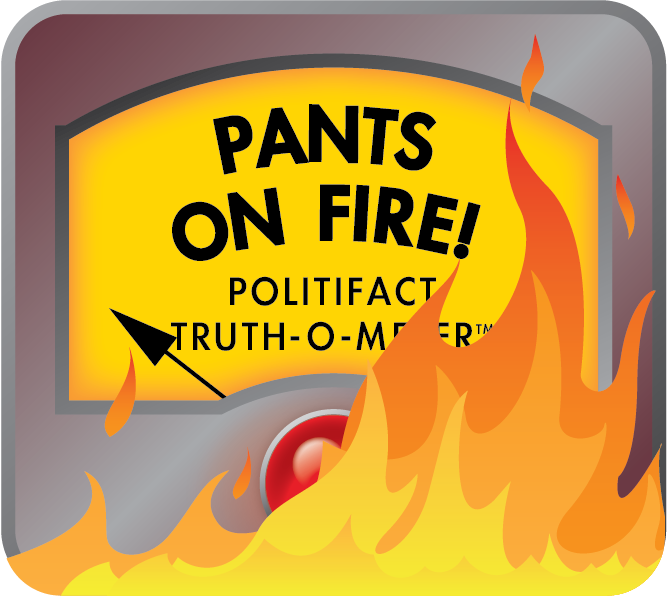
We rate the claim Pants On Fire.
Our Sources
Email interview, Jose Ucles, NHTSA
News article, "Chicago red light cameras provide few safety benefits," Chicago Tribune, December 19, 2014.
News editorial, "Why is a Philly cyclists’ group trying to make life harder for drivers?" Penn Live, June 6, 2016.
Phone interview, Dominique Lord, professor at Texas A&M.
Study, "Automated Enforcement: A Compendium of Worldwide Evaluations of Results," NHTSA.