Trump mentioned the ‘Crowdstrike’ conspiracy during his call with Ukraine. Here’s what that means
President Trump is rehashing a conspiracy theory about the 2016 election and Hillary Clinton's emails.
PolitiFact would like to know what you're seeing that needs some verification or a fact-check. What question do you have about Ukraine, the whistleblower, or an impeachment inquiry?
The whistleblower complaint at the heart of Democrats’ efforts to impeach President Donald Trump alleges that Trump urged Ukraine to revive an investigation into former Vice President Joe Biden, a potential challenger in the 2020 presidential election.
One name that figures prominently in the complaint: Rudy Giuliani.
PolitiFact reviewed the complaint, news reports, and Giuliani’s public statements to piece together the lawyer’s role.
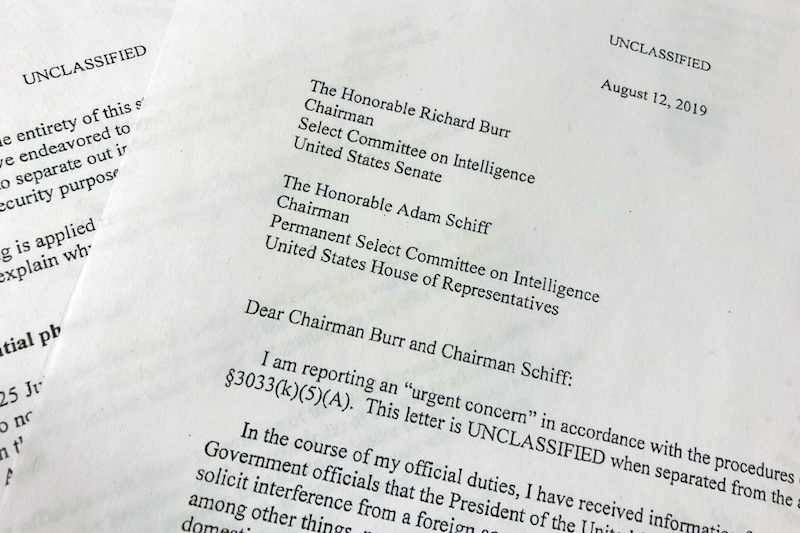
Until now, the Trump administration has withheld a complaint filed by an intelligence community whistleblower who did go through the appropriate channels.
The Intelligence Community Inspector General letter regarding the Ukraine whistleblower complaint has been published.
Democrats have argued that the Trump administration is violating federal laws by blocking the release of a recent whistleblower complaint. We checked out what the law says about sharing whistleblower complaints with Congress.
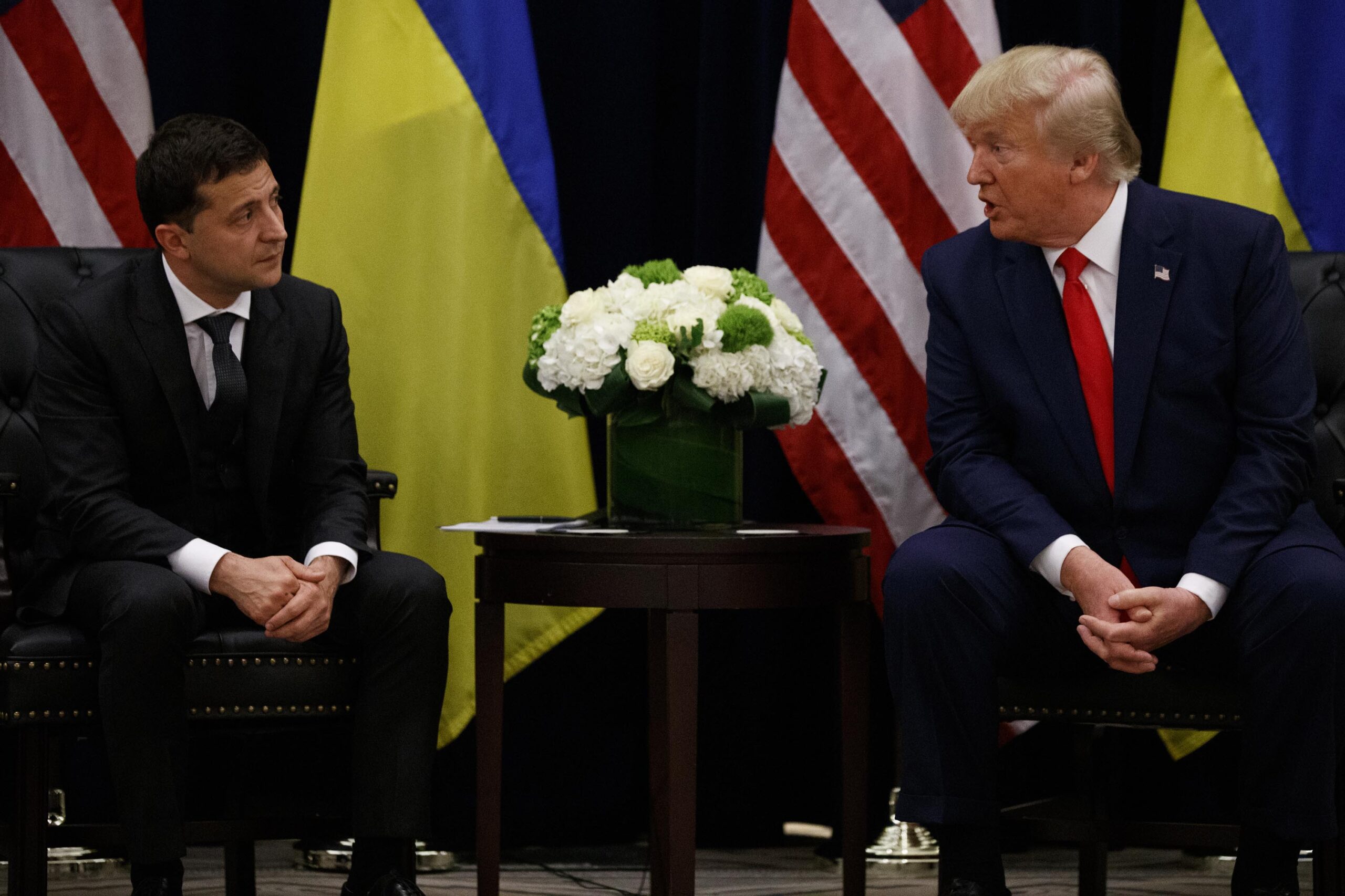
The White House has released a declassified summary of a July 25 telephone call between President Donald Trump and Ukrainian President Volodymyr Zelensky. The leaders discussed reviving a dormant Ukrainian government investigation into Joe Biden’s son, Hunter, over his role in a Ukrainian energy company while his father was vice president.
Here’s a primer on how the impeachment process works, what acts Trump took that might be considered impeachable, and what history can teach us as this story unfolds.
A look at the actions taken by President Donald Trump and the underlying allegations against Joe Biden and Hunter Biden.
Over the past decade, the exposure of personal information has become a routine part of American consumerism. But how common really are data breaches — and what kinds of records are exposed?
Democratic presidential candidate Andrew Yang surprised viewers of the Houston debate when he vowed to give 10 families $1,000 a month, every month, for a year. Would that even be legal?
The conservative publication PJ Media says in a headline spreading virally on Facebook that the New York Times admitted a new allegation against Justice Brett Kavanaugh is "fake news," but that is misleading.