Sorting out the players in the health care debate
Health care reform is quickly becoming the White House’s biggest battle of the year. And with so many players involved — from family doctors to the unions — it can be difficult to sort out who’s on board with health care reform and who isn’t.
That’s why we came up with this handy guide to the myriad players in the health care debate. It’s not comprehensive — there are too many stakeholders to count — but it provides an overview of where the most influential interest groups come down on the issue.
If President Barack Obama had his druthers, he’d like us to think support for health care reform is rock-solid among hospitals, doctors, nurses and the insurance industry.
But we found it’s not so straightforward, an issue we explore in
this
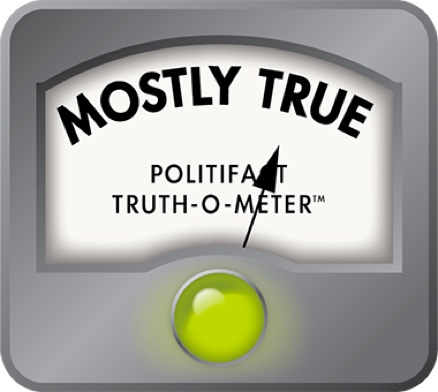
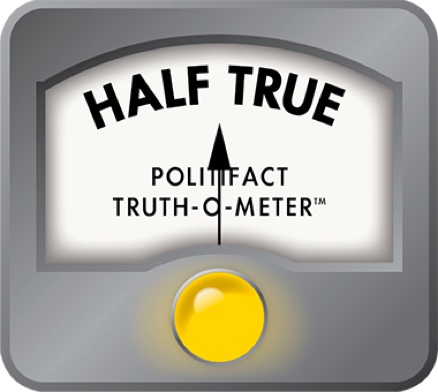
Truth-o-Meter item. We gave Obama a Mostly True for saying that, “doctors, nurses, hospitals, even the pharmaceutical industry, (and) AARP” say that health reform “makes sense to do.”
That’s because there’s a big difference between supporting health care reform generally, which is something nearly all health care professionals do, and supporting either the House or Senate overhauls being considered in the halls of Congress. From our chart, you’ll be able to see that there’s actually quite a bit of division over how our health care system should be changed, if at all.
Organization
Position – House Bill
Position – Senate Bill
American Medical Association
Supports the bill because it would require coverage for all and include financial assistance for those who need it; because it would end denials of coverage based on pre-existing conditions; and because it would provide more money for primary care services. Some AMA members, including associations in Alabama and Texas, don’t support the bill because of the public option.
No position
American Hospital Association, represents hospitals. No position on either bill, but opposes an administration proposal to create an independent group to study Medicaid costs because rural hospitals would fare the worst.
No position
No position
American Nurses Association
Supports the bill for providing coverage for all, and because it would include a public option. The bill also includes funding for more nurses.
No position
AARP, represents people over 50 and Medicare patients
Supports the bill because it would provide coverage for people who cannot afford it, and would end coverage denial based on pre-existing conditions. Also, the bill would help Medicare patients who do not qualify for the prescription drug benefit.
Supports a bill passed by the Senate HELP committee because it would end discriminatory practices and because it would limit premiums and out-of-pocket expenses. However, AARP is concerned that the bill would not put some generic drugs on the market fast enough.
Pharmaceutical Research and Manufacturers of America, PhRMA, represents drug companies.
Opposes the bill because expanding the prescription drug benefit to more Medicare patients would “constitute a tax increase on seniors because of the resulting increase in their monthly premiums.” Still, PhRMA considers the bill progress toward “patient-centered health care reform.”
Supports the Senate bill because it addresses affordable health care and also protects patents on some brand name drugs.
Mayo Clinic, a renowned hospital that supports Obama’s call for health care reform
Says the bill must emphasize quality over quantity. Medicare should pay based on results, not procedures, which is why Mayo supports the administration plan for an independent review of the Medicare system.
No position
U.S. Chambers of Commerce. We found no specific position on either bill, but generally opposes a public option that “would have an unfair advantage over private plans, eventually crowding them out of the market.” It also opposes requiring smaller businesses to pay for employee health care.
No position
No position
America’s Health Insurance Plan, represents health care insurers.
Supports health care reform, but opposes the public or government-run option that it says would push private plans out of business and leave many uncovered.
No position
Service Employees International Union
Supports the bill because it believes the public option would increase competition and drive down health care costs.
Supports the Senate bill because it would include a public plan.
American Academy of Family Physicians
Supports the bill because it would require everyone to have insurance and would provide coverage even with pre-exisiting conditions. The bill includes incentives for general practitioners, who may prevent costly procedures through early treatment, but the group says a 5 percent bonus for general practitioners may not be enough to attract more medical students to the field. The group wants 10 percent.
No position
Our Sources
American Medical Association,
House bill statement
, accessed July 25, 2009
AARP,
statement on House bill
, accessed July 25, 2009
AARP,
statement on Senate bill
, accessed July 25, 2009
PhRMA,
statement on Senate bill
, accessed July 25, 2009
PhRMA,
statement on House bill
, accessed July 25, 2009
ANA,
statement on House bill
, accessed July 25, 2009
AHA, statement on Administration proposal , accessed July 28, 2009
The Mayo Clinic, statement of the House bill , accessed July 27, 2009
The U.S. Chambers of Commerce, statement on health care reform , accessed July 27, 2009
AHIP, letter to House leaders on health care bill , accessed July 27, 2009
SEIU, statement on House and Senate bills , accessed July 27, 2009
AAFP, statement on House bill , accessed July 27, 2009